
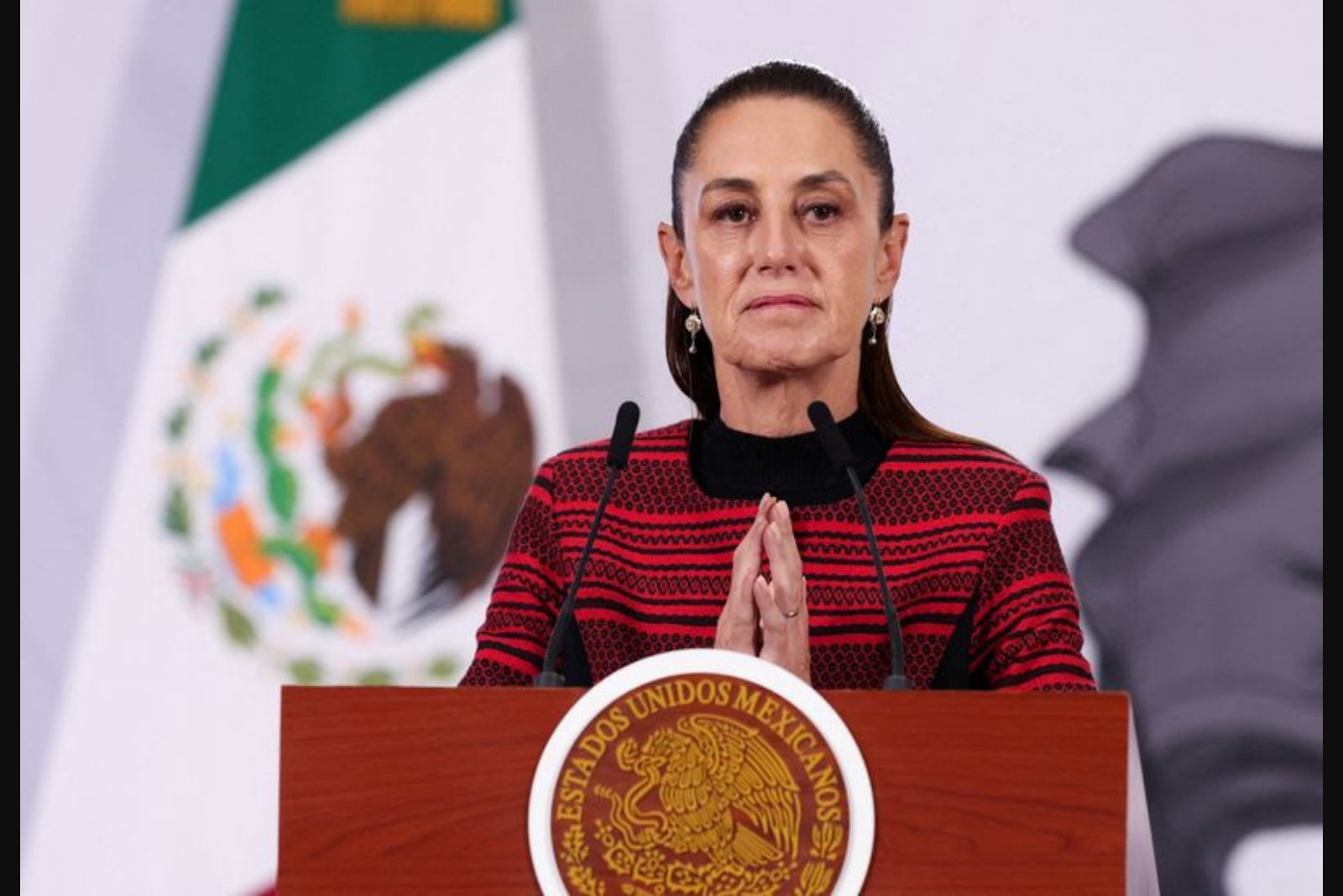
Mexico City, April 29 - President Claudia Sheinbaum said on Wednesday that the federal government will purchase steel manufactured by Mexican firms for use in all federal public works, following unsuccessful attempts to negotiate a removal of U.S. steel tariffs.
"The commitment we are making here is that the government’s purchases will be steel produced in Mexico," the president said during her daily morning press conference. The initiative represents one of the first overt government measures aimed at cutting the Mexican economy's substantial dependence on the United States.
Mexico has traditionally been cautious about steps that might upset its largest trading partner, which receives roughly 80% of Mexican exports. The announcement arrives as the USMCA trade agreement is under review. The United States, under measures introduced by former President Trump, imposed sweeping tariffs last year that included a 50% duty on steel and aluminum.
Mexican officials have argued that the U.S. tariffs are unfair in part because the United States runs a trade surplus with Mexico in steel and aluminum. Mexico's automotive and steel sectors send more than half of their exports to the U.S. market.
Mexico had sought a specific arrangement to ease the impact of the U.S. duties. One proposal discussed would permit a defined volume of steel from Mexico to enter the United States duty-free or at a reduced rate, while shipments above that quota would face the full 50% tariff. However, last week U.S. Trade Representative Jamieson Greer told Mexico's auto and steel industries during a visit to the country that they should not expect the USMCA review to remove these tariffs on their sectors.
Sheinbaum's decision to require Mexican-produced steel for federal projects is a direct policy response to the lack of progress in talks aimed at securing tariff relief. The measure explicitly ties a portion of government procurement to domestic production, an approach that signals a shift toward using public spending to support local industry.
Details beyond the president's statement - such as implementation timelines, certification procedures for qualifying Mexican producers, or the potential effects on procurement costs - were not provided in the announcement. The available information does not outline how the policy will interact with existing contracts or with industries that rely heavily on exports to the United States.
Context
President Sheinbaum made the announcement amid broader trade tensions and a formal review of the USMCA. The policy follows unsuccessful attempts to reach a negotiated settlement that would lift or ease the U.S. tariffs applied to Mexican steel and aluminum.