
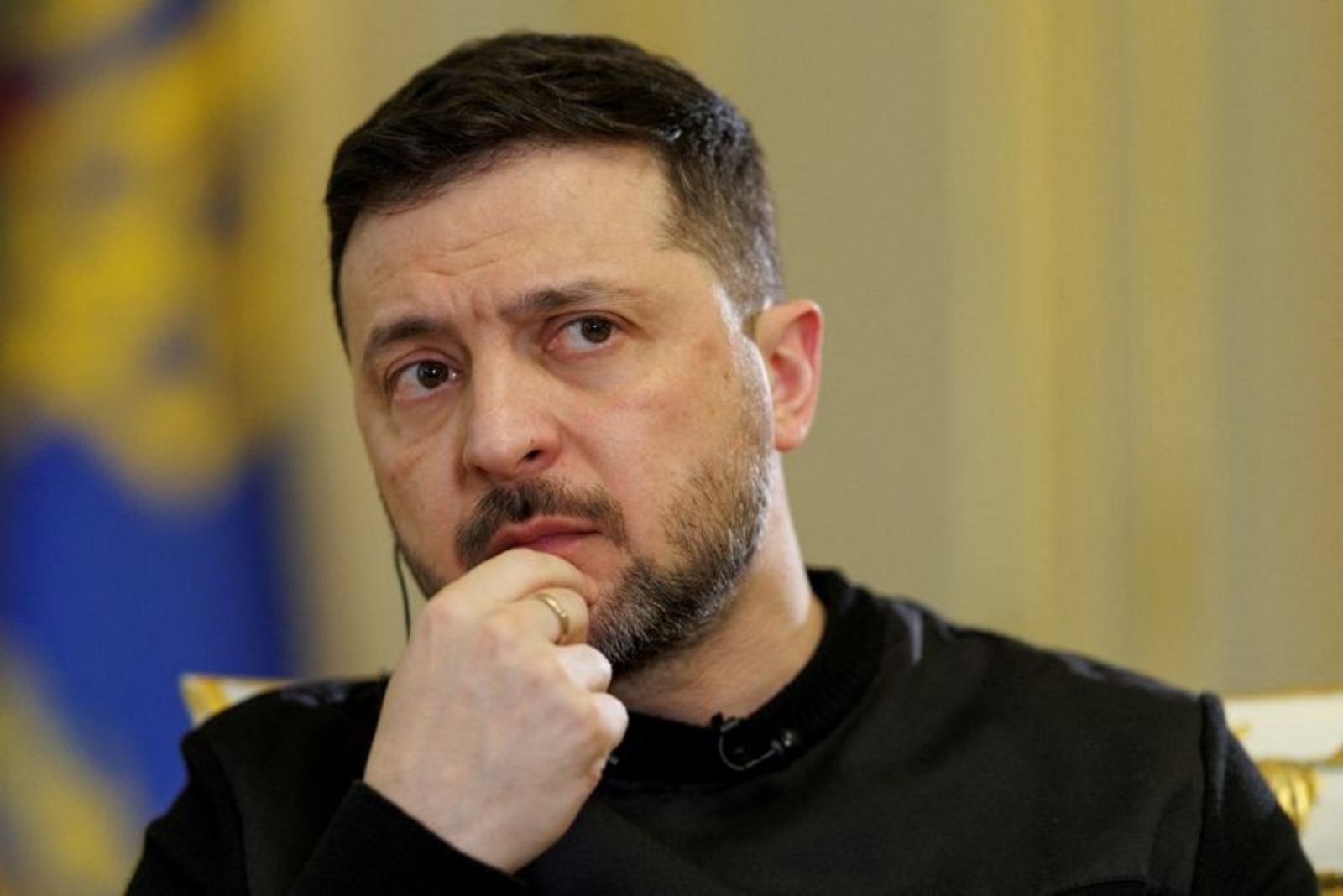
Ukrainian forces reported an overnight drone strike on what they described as an oil pumping station deep inside Russia, near the Ural Mountains, and President Volodymyr Zelenskiy said Kyiv intends to continue increasing how far it can strike.
In a post on X, Zelenskiy said Ukraine’s security service had recorded a successful operation and called it "a new stage in the use of Ukrainian weapons to limit the potential of Russia’s war." He also posted a video showing smoke rising from what he said was a strike inside Russia. Zelenskiy later noted that "The straight-line distance is over 1,500 kilometres. We will continue to extend these ranges."
Ukraine’s SBU security service subsequently identified the target as a Transneft-owned oil pumping station near the city of Perm. The SBU described the facility as a "strategically important" hub that distributes oil in four directions, including to a refinery in Perm. The Russian regional governor reported a fire at an industrial facility in the area. Transneft did not immediately respond to an email seeking comment on the incident.
Kyiv has intensified attacks within Russian territory in recent weeks, focusing on oil refineries, storage depots and ports. Ukrainian statements say these operations are intended to damage what they call Moscow’s largest revenue source for the war in Ukraine. Officials linked the timing to a backdrop of rising global oil prices related to the Iran war.
Zelenskiy provided figures he said reflected updated Russian export losses tied to Ukraine’s long-range operations on key western ports. He said throughput at the Baltic Sea ports fell - Primorsk by 13% and Ust-Luga by 43% - and that the Black Sea port of Novorossiysk was down by 38%.
Despite those figures, trade and industry sources and Reuters estimates referenced by Ukrainian officials showed that Russia had maintained crude oil loadings at these ports in April at roughly March levels, even with ongoing drone attacks.
Recent incidents include a major fire at an oil refinery in Tuapse in the Black Sea port area after a Ukrainian drone strike, described by Ukrainian officials as the third attack on that refinery in under two weeks. Russian President Vladimir Putin characterized the Tuapse strike as evidence of increased Ukrainian attacks on civilian targets.
The conflict’s toll on civilians remains a recurring element in official statements: Moscow has conducted sustained strikes on Ukrainian civilian energy infrastructure during the war, which Ukrainian officials say has resulted in thousands of civilian deaths.
Ukraine’s Defence Ministry also provided a metric on its offensive reach, saying that since 2022 - when Russia launched a full-scale invasion - Ukraine had extended the range of its strikes against Russia by 170%.
Earlier this year, in February, Ukrainian drones struck the Ukhta refinery in Russia’s Komi region, which regional officials put at some 1,750 km from the Ukrainian border. Zelenskiy emphasized the operational aim when he said: "It is important that every strike reduces the capabilities of Russia’s military industry, logistics, and oil exports."
The reporting around the latest strike included statements from Ukrainian authorities, a regional Russian governor's acknowledgement of a fire at an industrial site, and the SBU’s description of the station’s role in Russian oil transport. Beyond those official comments, Transneft had not issued a response to inquiries at the time of the reports.
Scope and confirmation of damage, as well as the broader operational impact on Russian oil flows, remain tied to official assessments and third-party estimates cited by Ukrainian authorities.