
Overview
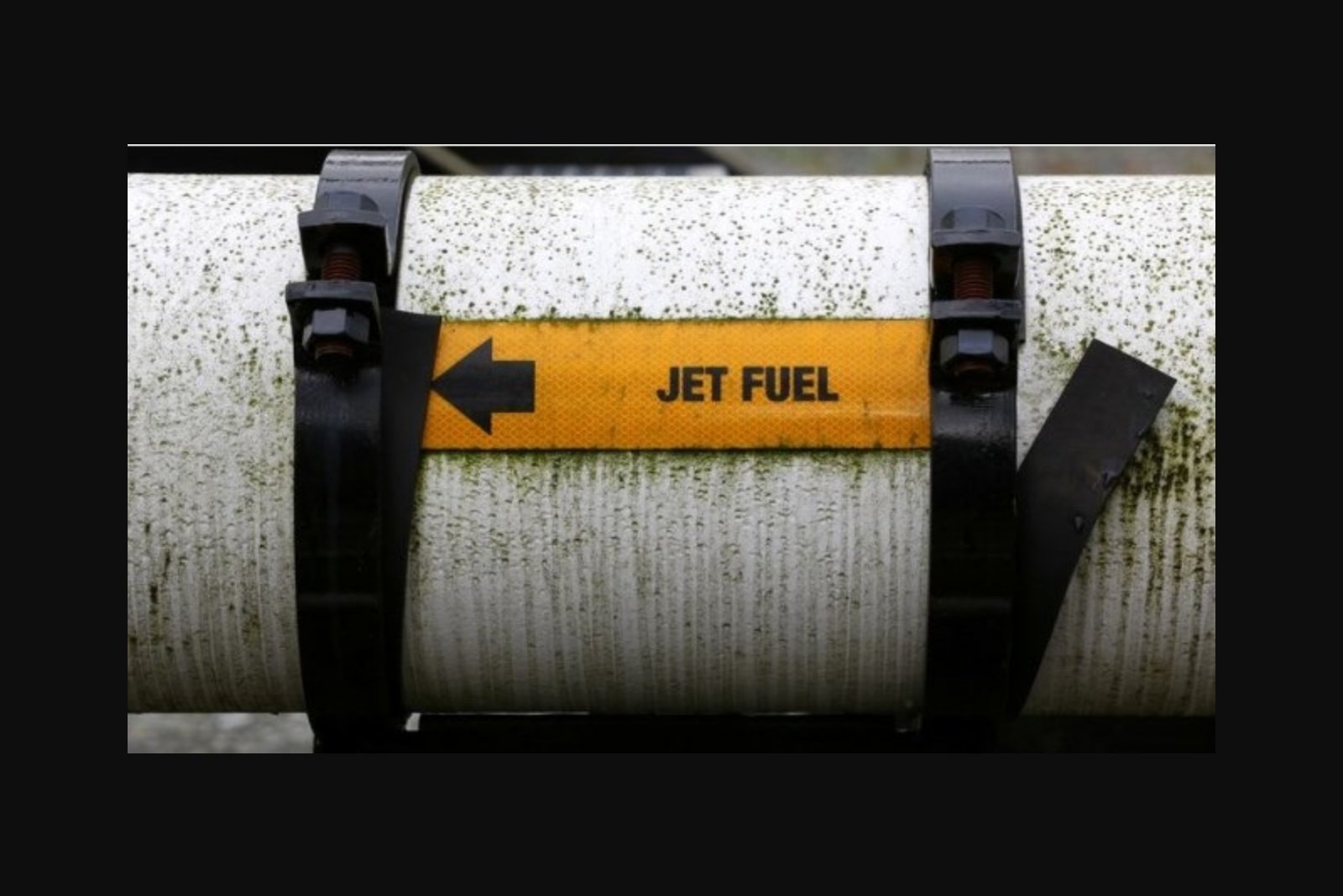
Independent jet kerosene (jet fuel) stocks held in the Amsterdam-Rotterdam-Antwerp refining and storage hub decreased by about 4.7% on the week to reach 552,000 metric tons, matching their lowest recorded level since March 2020, according to data published by Dutch consultancy Insights Global on Thursday.
Drivers cited
Insights Global analyst Lars van Wageningen attributed the drop largely to a drying up of imports. He also noted that, even as exports slowed, firm demand from inland locations continued to draw down on available inventories.
Other product movements
- Gasoil and diesel stocks fell by 1% to 1.84 million tons.
- Gasoline inventories rose 3.3% to 1.15 million tons, a change the consultancy tied to slower exports.
- Fuel oil inventories decreased by 12.4% to 656,000 tons, a level Insights Global characterized as the lowest since 2017.
Implications noted in the data
The dataset highlights divergent trends across refined product categories within the ARA hub in the latest reporting period: jet kerosene and fuel oil showing notable draws, gasoline building up, and gasoil/diesel registering a modest decline. The consultancy emphasized the connection between inbound flows, outbound shipments, and inland consumption in explaining these movements.
Context and limitations
The information reflects independent storage balances reported for the ARA hub and the commentary provided by Lars van Wageningen at Insights Global. The report links the jet kerosene decline specifically to a reduction in imports and sustained inland demand, while changes in gasoline and fuel oil are connected to export patterns. No additional causal explanations or external data were provided in the release.
Summary takeaway
Jet kerosene inventories in ARA fell to their lowest point since March 2020 driven by a pause in imports and persistent inland demand, while gasoline rose as exports eased and fuel oil plunged to its lowest level since 2017.