
Overview
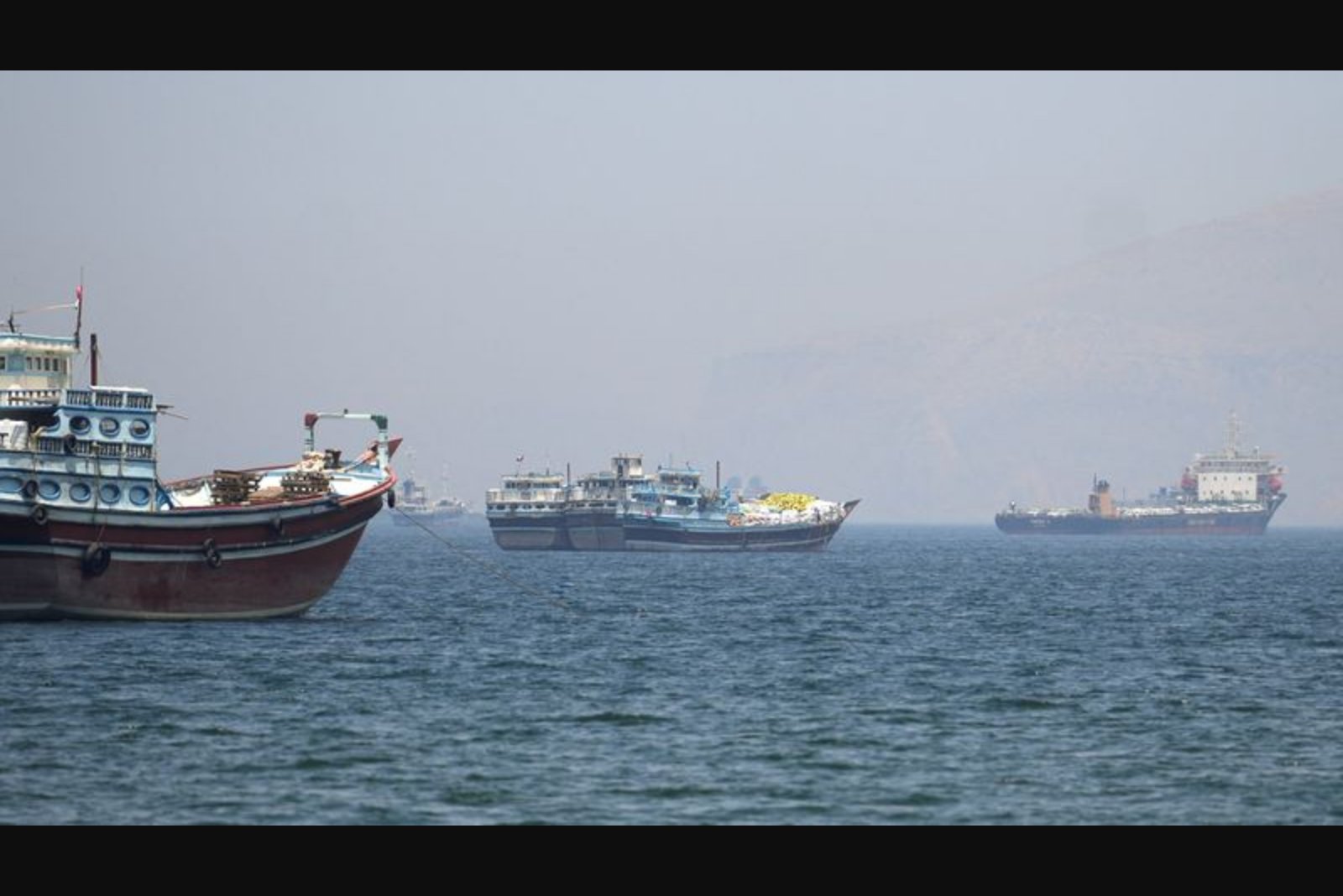
Ship movements through the Strait of Hormuz have fallen to a bare minimum, with data showing at least six vessels made the transit in the past 24 hours. That figure represents only a tiny fraction of the traffic that used the key chokepoint prior to the conflict that began on February 28.
Tracking information compiled by Kpler and satellite analysis from SynMax indicate most of the recent transits were through Iranian territorial waters and chiefly involved dry bulk carriers. Among the vessels recorded was the chemical tanker Vast Plus, which the tracking data identifies as subject to U.S. sanctions.
Current volumes versus normal levels
Ship-monitoring specialists reported an average of about seven vessels per day in recent days, with at least six recorded in the most recent 24-hour window. Those numbers stand in stark contrast to routine traffic at the mouth of the Gulf, which ran between 125 and 140 daily passages before the outbreak of hostilities.
The available data do not definitively rule out additional unrecorded transits, and one monitoring organisation noted it could not determine whether more than six ships had passed in the same period.
Political deadlock and public statements
The U.S. and Iran remain deadlocked over terms that would restore more regular commercial navigation. U.S. President Donald Trump urged Iran to "get smart soon" and sign an agreement, commenting amid continuing stalemate in negotiations and coverage suggesting the U.S. might extend a blockade of Iranian ports.
In its latest assessment this week, the U.S. navy-led Joint Maritime Information Center observed: "Despite the 8 Apr 2026 US-Iran ceasefire, commercial traffic remains limited, with constrained transits and continued routing uncertainty."
Proposals, payments and sanctions guidance
Iranian officials have proposed charging ships a toll to pass through the strait. The proposal, and any resulting payments, attracted immediate attention from U.S. authorities.
In an advisory issued on Tuesday, the U.S. Treasury warned that shipping companies that make any payment to Iran for passage through Hormuz would face sanctions exposure even if they are non-U.S. persons. The Treasury statement specified that payments to the government of Iran or the Revolutionary Guards "directly or indirectly" for safe passage through the Strait of Hormuz would not be authorised for U.S. persons, including U.S. financial institutions, or for U.S.-owned or -controlled foreign entities. "Such payments also create significant sanctions exposure for non-U.S. persons," the advisory added.
Implications and outlook
For now, commercial transit remains sharply constrained and subject to routing uncertainty. Shipping flows through the strait continue at only a fraction of pre-conflict levels while diplomatic deadlock persists and legal risk around payments for passage is highlighted by the Treasury advisory.
Observers compiling vessel movements report low daily averages in recent days, but available data do not eliminate the possibility that additional transits have occurred beyond the ones identified by the monitoring services.
Until an agreement is reached that addresses navigation and the legal exposure of payments, commercial traffic through the Strait of Hormuz is likely to remain limited.