
Overview
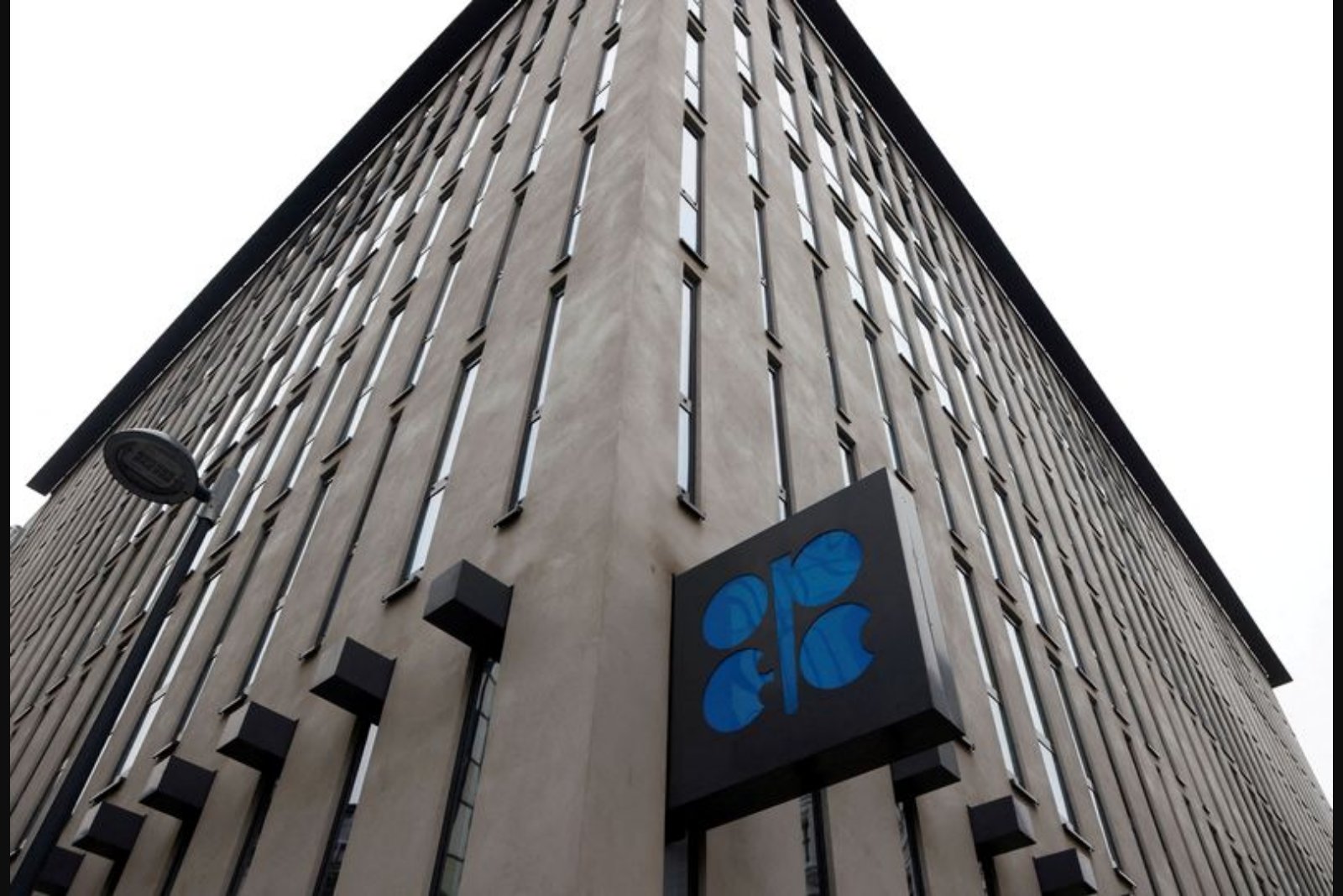
Goldman Sachs on Wednesday assessed that the United Arab Emirates' decision to exit OPEC and the OPEC+ alliance from May 1 raises a greater upside risk to oil supply over the medium term than in the near term. The bank said the move weakens the producer group's ability to control global supplies and could give Abu Dhabi additional flexibility to increase output once Gulf export routes reopen.
Background and market reaction
The bank noted the departure followed years of negotiation over the UAE's production quota and occurred against a geopolitical and oil market backdrop in which the UAE has experienced significant attacks from Iran - an OPEC member that is exempt from production quotas. Oil prices rallied, rising by more than 6% on Wednesday, as stalled U.S.-Iran negotiations heightened investor concern about continued disruptions to Middle Eastern supply.
Goldman’s production and inventory outlooks
Goldman said the effective closure of the Strait currently limits how much the UAE can produce. Nevertheless, the exit alters the downside constraints on future output. The bank described the move as implying upside risk to its base case that UAE crude production will recover to 3.8 million barrels per day by October 2026, compared with 3.6 million bpd before the war.
In a more optimistic scenario, Goldman estimated the UAE's potential crude production at just over 4.5 million bpd by February 2026. The bank's base case assumes cumulative Gulf crude production losses of 1.83 billion barrels by December 2026, and that global oil inventories will need replenishment once the Strait reopens.
National plans
Goldman also noted ADNOC, the UAE's national oil company, is targeting production capacity of 5 million bpd by 2027.
Implications
The bank's analysis highlights a divergence between current physical constraints on output and the potential for higher production once export channels are restored and policy constraints tied to OPEC+ membership no longer apply.