
European natural gas benchmarks rose on Wednesday as market participants weighed new reports pointing to limited prospects for a diplomatic resolution between the United States and Iran that might restore transit through the Strait of Hormuz.
By 08:41 ET (12:41 GMT), the benchmark Dutch front-month contract at the TTF hub was up by 1.81 euros to 45.40 euros per megawatt hour, according to ICE data.
In reports circulated on Tuesday, U.S. President Donald Trump instructed aides to prepare for a prolonged blockade of Iran, signaling a shift toward sustained economic pressure as Washington considers its next steps in the dispute. The reports, citing U.S. officials, said Trump has chosen to intensify efforts to choke Iran’s oil exports and to restrict shipping to and from its ports, regarding a blockade as less risky than resuming large-scale military strikes or seeking a rapid diplomatic exit.
The reports also said Mr. Trump recently rejected a three-step Iranian proposal that would have opened the Strait of Hormuz early while delaying nuclear negotiations, deeming it insufficient to meet U.S. demands for curbs on Tehran’s nuclear program. According to those accounts, Mr. Trump remains firm on a key demand: that Iran agree to suspend uranium enrichment for at least 20 years and accept additional restrictions beyond that period.
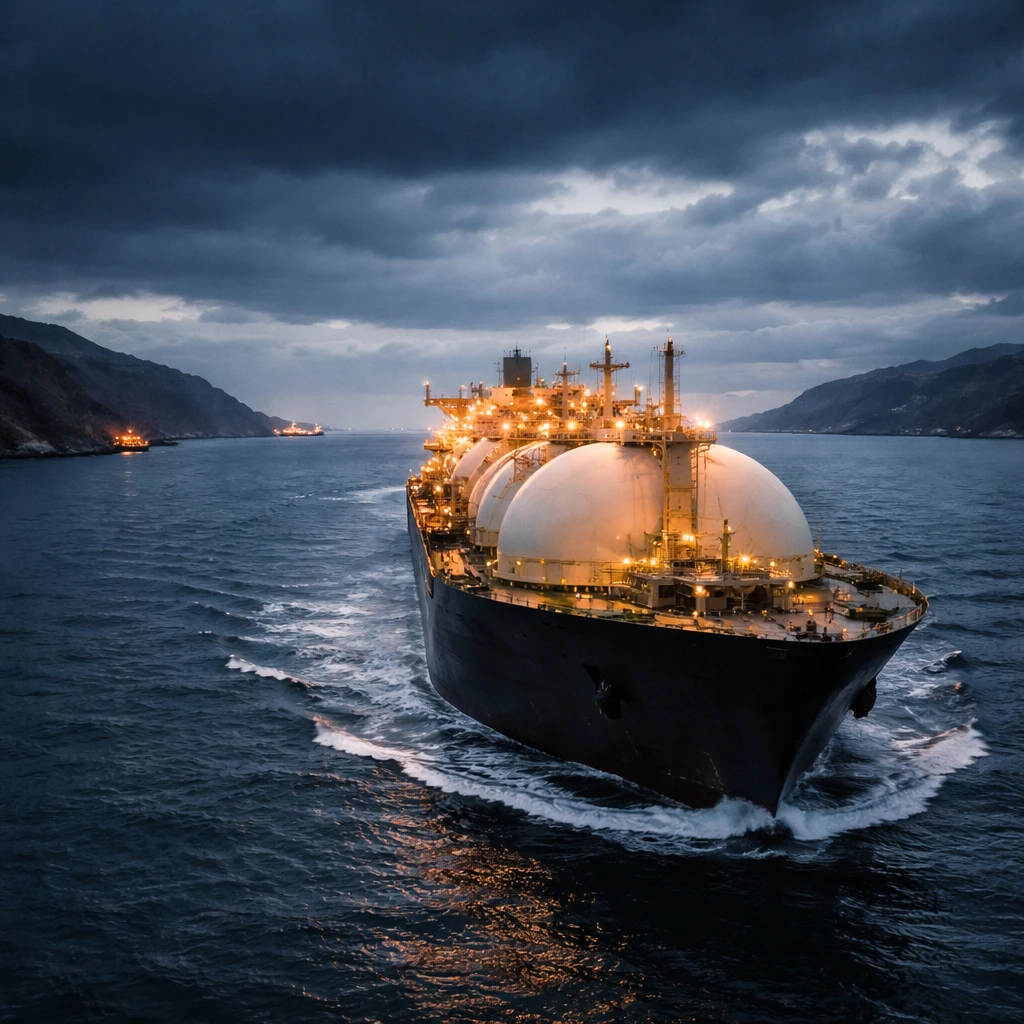
The effective closure of the Strait of Hormuz has coincided with an energy shock. The strait is a critical corridor through which roughly a fifth of the world's liquefied natural gas flows, and the disruption has helped push TTF prices well above levels observed before the conflict that began in late February.
Summary
European natural gas prices rose after reports indicated a low likelihood of a swift resolution between the U.S. and Iran that would reopen the Strait of Hormuz. The Dutch front-month TTF contract was up 1.81 euros to 45.40 euros per megawatt hour at 08:41 ET (12:41 GMT), with traders citing continued disruptions to LNG transit through the strait as a key upside risk for prices.
Key points
- TTF front-month contract increased by 1.81 euros to 45.40 euros/MWh at 08:41 ET (12:41 GMT), per ICE data.
- Reports say the U.S. instructed aides to prepare for a prolonged blockade of Iran, intensifying efforts to curb Iranian oil exports and limit shipping activity to and from its ports.
- The Strait of Hormuz disruption is significant because roughly one-fifth of global liquefied natural gas transits the waterway, contributing to elevated European gas prices relative to pre-conflict levels.
Risks and uncertainties
- Continued closure or effective disruption of the Strait of Hormuz raises the risk of sustained pressure on LNG flow volumes, which can keep European gas prices elevated - affecting energy and shipping sectors.
- Political decisions in Washington on whether to pursue a prolonged blockade rather than military strikes or rapid diplomacy create uncertainty over the duration and severity of export restrictions, with implications for global energy markets and trade routes.
- Rejection of the Iranian three-step proposal and insistence on long-term uranium enrichment curbs leave the diplomatic pathway unclear, prolonging the potential for market volatility in natural gas and related commodity markets.
The current price environment reflects both the immediate reaction to the political reports and the broader supply concerns tied to the strait's role in global LNG movements. TTF levels remain elevated compared with the period before the conflict's outbreak in late February, underlining how geopolitics and shipping disruptions can translate into measurable moves in European gas benchmarks.