
World June 23, 2026 03:26 PM

U.S. Department of Homeland Security Eases Travel Window for Iran World Cup Squad Ahead of Seattle Match

Team granted entry two days before June 26 fixture but must depart on same day as match; security protocols unchanged

By Marcus Reed
Share
Twitter Reddit Facebook LinkedIn

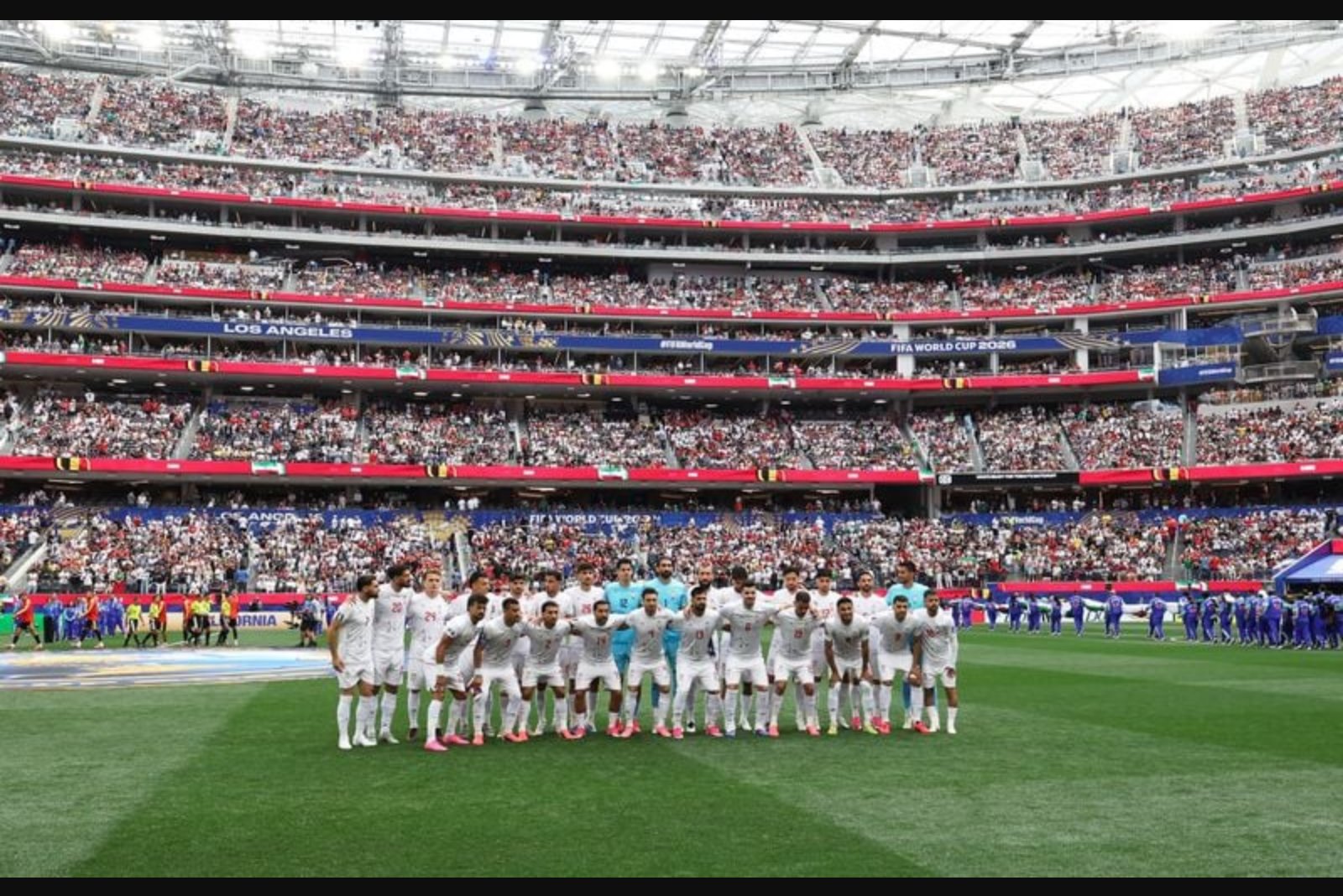
The U.S. Department of Homeland Security has adjusted travel rules for Iran's national soccer team at the World Cup, allowing the squad to enter the United States two days prior to their June 26 match in Seattle rather than just one. The DHS said the team will still be required to leave the U.S. on the day the match ends and that existing security measures and protocols remain in place. FIFA and the Iranian team had not immediately responded to requests for comment.

U.S. Department of Homeland Security Eases Travel Window for Iran World Cup Squad Ahead of Seattle Match
Summarize with
ChatGPT Perplexity Claude Grok Gemini

Key Points

  • DHS has allowed Iran's World Cup squad to enter the U.S. two days before their June 26 match in Seattle, up from the previous one-day allowance.
  • The Iranian team must still depart the United States on the same day the match ends, and DHS says overall security measures and protocol remain unchanged.
  • FIFA and the Iranian team did not immediately respond to requests for comment; Iran had indicated plans to lodge a complaint with FIFA over travel restrictions, which involved commuting from their base in Tijuana, Mexico.

The U.S. Department of Homeland Security announced on Tuesday that it has modified the travel timeline for Iran's national soccer team competing at the World Cup, permitting the squad to arrive two days before their third match in Seattle on June 26. Previously, the team was allowed to enter the country only one day ahead of their fixtures, a restriction that prompted criticism from Iran's coach, who called his side "the most oppressed team in the whole World Cup."

A DHS spokesperson provided the updated guidance, saying: "For the Iranian team's third match in Seattle on June 26, the team has been permitted to come into the U.S. two days before the match." The spokesperson emphasised that, despite the change in arrival timing, the team will be required to depart the U.S. the day the match concludes. "The overall security measures and protocol are the same," the DHS statement said, adding that authorities remain focused on delivering "the safest tournament possible for players, staff, and fans alike."

The revised allowance follows complaints from the Iranian side about their travel arrangements. Iran had been commuting from their tournament base in Tijuana, Mexico, entering the United States the day before their games on U.S. soil. Iranian officials indicated last week that they intended to lodge a formal complaint with FIFA about the restrictions on their movement.

Requests for comment to FIFA and to the Iranian team were not immediately answered, according to the DHS statement. The travel constraints occur against a backdrop of intensified diplomatic strain: the measures come amid high tensions between Washington and Tehran following a nearly four-month war. In March, U.S. President Donald Trump said that while Iran were welcome to participate in the tournament, he did not think it appropriate for them to remain in the United States between matches "for their own life and safety."

The DHS clarification leaves the core operational parameters unchanged - the team gains an additional day in-country before the Seattle match, but must still exit the United States on the same day the match ends. Officials framed the decision as an adjustment within an established security framework, rather than a change to overall protective protocols.

As of the DHS announcement, it remains unclear how FIFA will respond to Iran's stated intention to file a complaint, and whether any further adjustments to the team's travel arrangements will follow. For now, the department's message highlights a balance between accommodation for scheduling logistics and maintenance of security procedures for the tournament.

Risks

  • Uncertainty over FIFA's response to Iran's intent to file a complaint could affect tournament scheduling and administrative outcomes - impacts relevant to sports governance and event operations.
  • Ongoing high tensions between Washington and Tehran, noted as following a nearly four-month war, create a diplomatic backdrop that may complicate travel and security planning for teams - relevant to security and international relations sectors.
  • Requirement for the team to leave the U.S. the day the match ends could strain logistics for transportation and accommodation providers supporting tournament operations, affecting the travel and hospitality sectors.

More from World

U.S. Aim to Preserve Momentum and Protect Key Players Against Already-Eliminated Turkey Jun 23, 2026 Federal Court Hands 100-Year Term to Alleged Organizer of Texas Immigration Center Attack Jun 23, 2026 U.S. Expands Sanctions Over Southeast Asia Scam Network Linked to Prince Group Jun 23, 2026 Moscow Says Washington Has Fallen Short of Alaska 'Understandings' Jun 23, 2026 Peruvian runoff standoff as Sanchez rejects narrow deficit, alleges fraud Jun 23, 2026