
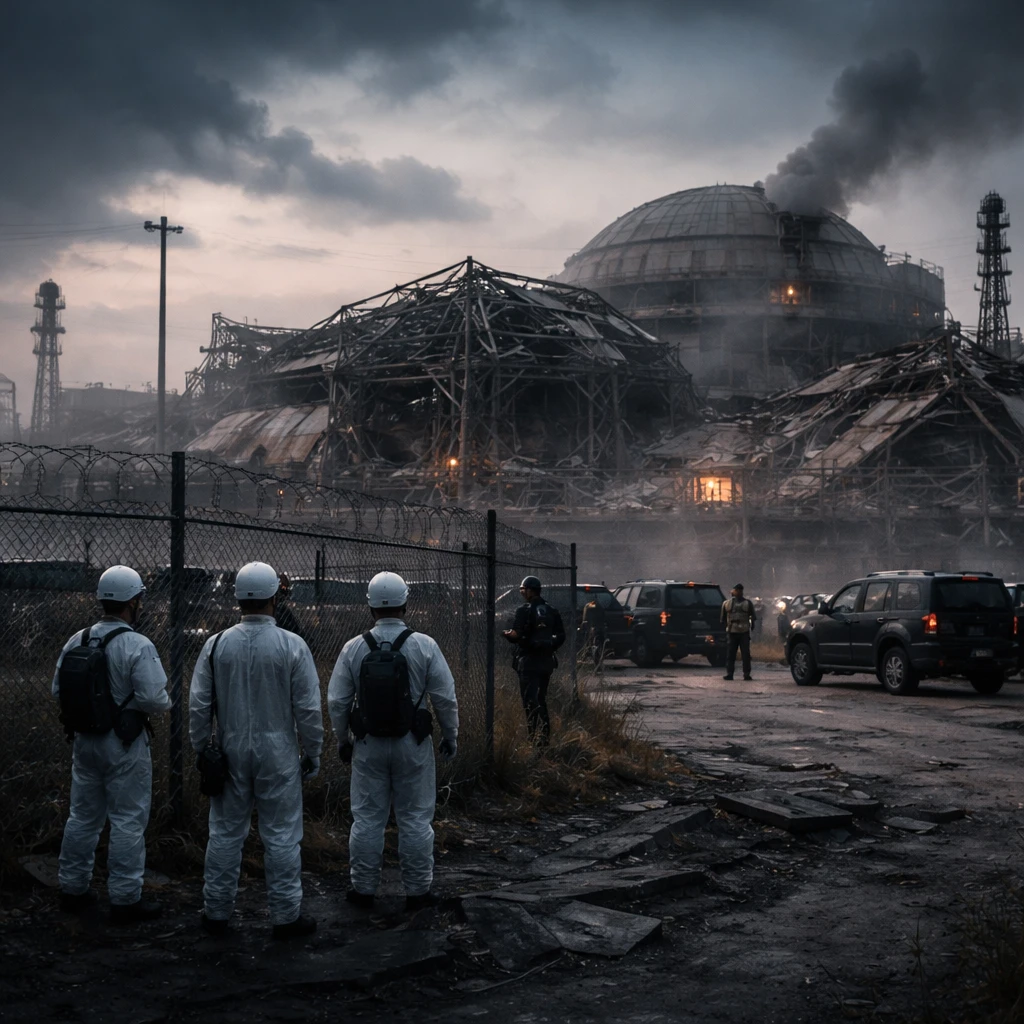
Rafael Grossi, director general of the International Atomic Energy Agency (IAEA), on Monday urged Iran to recommence cooperation enabling inspections at nuclear sites that were struck by the U.S. and Israel roughly a year ago. His call coincided with U.S. efforts to advance a resolution on the matter at the IAEA board meeting.
According to the agency, Iran has not informed the IAEA about what occurred at the facilities that were bombed or about the status of nuclear material that had been stored at those locations. That material includes uranium enriched to levels described as near bomb grade.
Reports from the agency indicate the strikes either destroyed or left badly damaged several uranium-enrichment facilities. The IAEA states that much of the highly enriched uranium at those sites is believed to have endured the attacks. Some of that material is reported to have been enriched to as much as 60 percent, a concentration the agency notes is near the roughly 90 percent level generally considered weapons grade.
Operational concerns and security risks have narrowed IAEA activity inside Iran. The agency halted inspections at sites that were not directly hit by the strikes in February, citing safety worries after a renewal of military attacks. Since that suspension, the IAEA has conducted inspections only at Iran's operating nuclear power plant in Bushehr.
Grossi's public urging and the U.S.-led push for a board resolution highlight the standoff between the IAEA's mandate to verify nuclear material and the operational constraints imposed by a tense security environment. At present, the agency's access to potentially affected facilities and materials remains limited by the lack of information provided by Iran and by the broader threats to inspector safety.
With inspections constrained, the agency faces limits on its ability to assess the condition and disposition of enriched uranium that may have been present at bombed sites. The IAEA's continued monitoring activities are therefore restricted to locations where it can ensure the safety of its personnel, with Bushehr remaining the only site inspected since the February suspension.