
World July 6, 2026 10:39 AM

U.N. Group Deems Detention of Gaza Doctor Arbitrary, Seeks Immediate Release

Working Group says Hussam Abu Safiya’s detention violates international human rights covenants and calls for compensation; his lawyer and rights groups warn his condition is critical

By Maya Rios
Share
Twitter Reddit Facebook LinkedIn

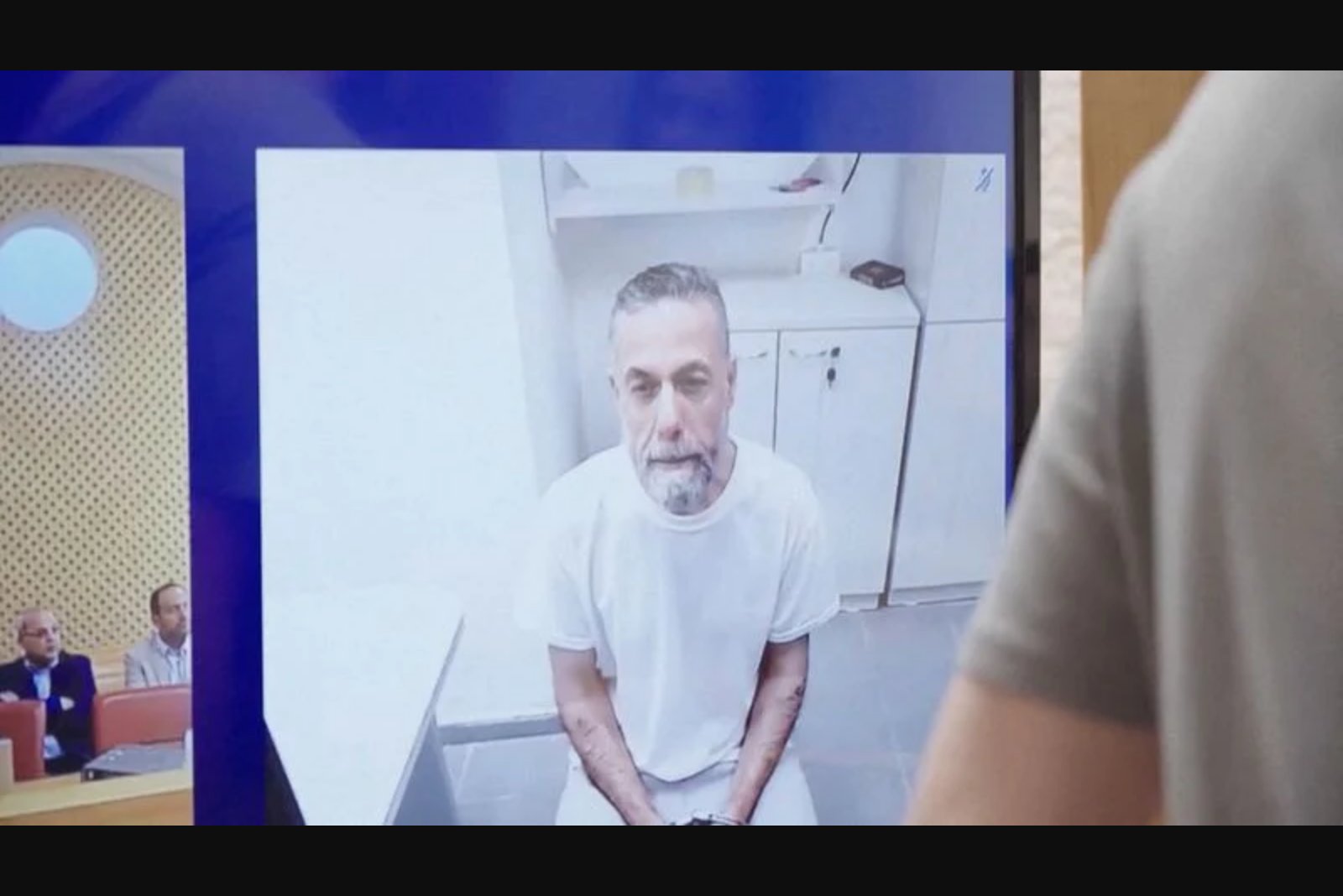
A U.N. human rights panel has found that the detention of Gazan physician Hussam Abu Safiya by Israeli authorities is arbitrary and urged his immediate release and reparations. The Working Group on Arbitrary Detention concluded the detention breaches provisions of the Universal Declaration of Human Rights and the International Covenant on Civil and Political Rights, and raised concerns the case may reflect wider practices of arbitrary detention. The doctor’s lawyer and rights organizations say his health is in grave danger and allege repeated abuse in custody. Israeli authorities have not provided a new comment on the matter.

U.N. Group Deems Detention of Gaza Doctor Arbitrary, Seeks Immediate Release
Summarize with
ChatGPT Perplexity Claude Grok Gemini

Key Points

  • The U.N. Working Group on Arbitrary Detention found that the detention of Dr. Hussam Abu Safiya breaches provisions of the Universal Declaration of Human Rights and the International Covenant on Civil and Political Rights.
  • The Working Group recommended Mr. Abu Safiya’s immediate release and an enforceable right to compensation and other reparations under international law; it also warned the case may point to a wider pattern of arbitrary detention.
  • The doctor’s lawyer and rights organizations report his health is in grave danger and allege daily brutal abuse in custody; Israeli authorities have not issued a new comment, and the Israel Prison Service previously rejected mistreatment claims.

GENEVA, July 6 - A U.N. human rights body has determined that the detention of Gaza-based doctor Hussam Abu Safiya by Israeli authorities is arbitrary and has urged his immediate release, saying his continued detention violates key international human rights standards.

In its formal finding, the U.N. Working Group on Arbitrary Detention said the circumstances of Abu Safiya’s detention contravene multiple articles of the Universal Declaration of Human Rights as well as the International Covenant on Civil and Political Rights. The group added that the proper remedy would be to release him without delay and to provide him "an enforceable right to compensation and other reparations, in accordance with international law."

The panel also flagged a broader concern: the case is one of several brought to its attention and "may indicate a widespread or systematic practice of arbitrary detention in the country." That language reflects the Working Group’s view that the issue could extend beyond an individual matter and point to systemic patterns.

Earlier on Monday, the doctor’s lawyer said Abu Safiya’s health was in grave danger and accused his captors of subjecting him to brutal abuse on a daily basis. Those allegations prompted renewed calls from rights groups for authorities to release the physician immediately.

The Israel Prison Service did not immediately respond to a request for comment. In prior statements, the service has rejected claims that Abu Safiya and other medical professionals have been mistreated while incarcerated.

Separately, the Israeli Supreme Court has in the past declined to offer comment in response to appeals seeking Abu Safiya’s release.


Context and current state

The Working Group’s determination lays out both a remedial recommendation - immediate release and compensation - and a broader warning that the case could be symptomatic of more extensive detention practices. Rights groups and the doctor’s legal counsel have framed his condition as an urgent humanitarian concern, while Israeli authorities have not provided a new public response to the Working Group’s statement.

The situation remains unresolved and centers on competing claims: the U.N. panel’s legal finding and the lawyer’s allegations of daily abuse and life-threatening health deterioration versus official denials made previously by the prison service and the lack of comment from the highest court on recent appeals.

Risks

  • Immediate health risk to Dr. Abu Safiya as alleged by his lawyer, which raises humanitarian and medical concerns for detained health professionals - impacting the healthcare sector and humanitarian actors.
  • Potential for alleged systemic arbitrary detention practices to escalate legal and human rights scrutiny, creating uncertainty for judicial and legal institutions.
  • Lack of timely comment from detention authorities and a history of the Supreme Court declining to comment on appeals create procedural uncertainty and limit avenues for rapid legal redress - affecting legal and governance sectors.

More from World

Trump Says Talks Are Bringing Ukraine War Resolution Closer Than Expected Jul 6, 2026 Two Tennessee National Guard Soldiers Kill Armed Man During Memphis Pursuit; Incident Puts Spotlight on Trump-Backed Task Force Jul 6, 2026 Southern Lebanon Cautiously Rebuilds as Displaced Families Return to Devastated Towns Jul 6, 2026 Netanyahu Cabinet Rejects Supreme Court Order on Media Regulator, Reigniting Judicial Standoff Jul 6, 2026 UEFA Condemns FIFA After Balogun Ban Suspended Following U.S. Presidential Intervention Jul 6, 2026