
Ukrainian forces have struck critical logistics infrastructure in Russian-occupied southern Ukraine, Kyiv said on Wednesday, in a series of drone attacks that included the port of Mariupol and an over-water crossing linking the Kherson region to Crimea. Officials reported power outages and damage to repair facilities as operations continued to focus on the supply corridor Moscow relies on to sustain forces along the roughly 1,200-km (746-mile) front line.
Ukraine's military said the assault on the Mariupol port led to a blackout at the site. Kyiv described the operation as targeting energy and maintenance installations that form the backbone of the port's logistical function, significantly reducing its capacity as a hub for moving materiel.
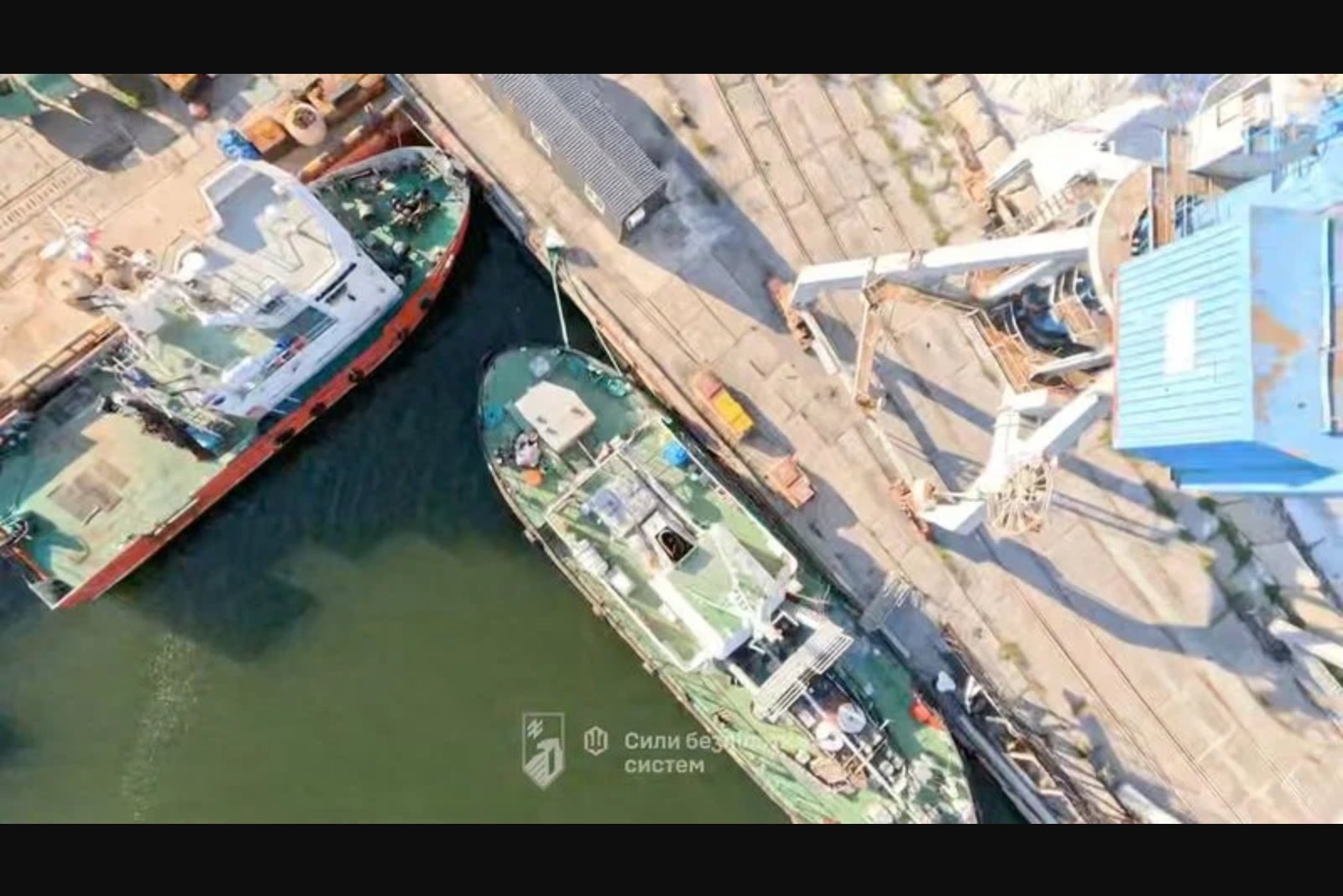
Video released on Wednesday by Ukraine's 1st Azov Corps, which took part in the action, shows drone footage of ships, power installations and other structures under attack. In a statement, the unit listed the facilities hit, saying: "Electrical substations, radar equipment, repair infrastructure, the control tower, and fuel and lubricant storage tanks were hit," and added that a sanctioned cargo vessel sustained damage.
The Mariupol strikes followed earlier attacks this week on a bridge that connects the Russian-occupied Kherson region to Crimea. Ukraine's 1st Separate Assault Regiment said on Tuesday that it had carried out drone strikes on June 7 and June 9 that struck the Chonhar bridge, one of two over-water crossings that link Crimea either to Russian-occupied territory or to Russia itself.
The regiment posted on Facebook: "We see all movements and totally control the enemy's repair works. We are ready to make our long-range adjustments at any moment." The Russian-installed governor of the occupied part of Kherson region, Vladimir Saldo, wrote on Telegram that the bridge had been hit twice and that traffic was suspended.
Earlier in the conflict, Kyiv repeatedly targeted the bridge across the Kerch Strait, which links western Crimea to Russia's Krasnodar region. This week's operations extend that posture by striking nodes deeper in the occupied south that support Russian logistics.
Shifts in battlefield dynamics
Analysts and Ukrainian open-source groups say the campaign of strikes on logistical targets has contributed to a slowdown in Moscow's battlefield momentum. The attacks reportedly have included strikes on oil and military-industrial infrastructure inside Russia as well as operations behind the front line in occupied territories. Ukrainian forces have also mounted counterattacks across parts of the front, creating a more contested environment for Russian advances.
DeepState, a Ukrainian open-source analysis group, said Kyiv's campaign to interrupt Russian supply routes across the occupied south could further impede Moscow's battlefield operations. The group added that the strikes carry an additional signal: "The Defense Forces have demonstrated... the capabilities with which they can control everything that moves in the southern part of the occupied territory, in particular, from Crimea."
Russian war commentator Yuri Baranchik, writing on Telegram, said the intensification of Ukrainian strikes on logistics in the area suggests Kyiv has "caught up" with Moscow's capabilities.
Operational aims and effects
Kyiv's targeting of the Mariupol port and the Chonhar bridge appears focused on degrading infrastructure that supports the movement, repair and refueling of equipment. By striking electrical substations, radar systems, repair depots, a control tower and fuel and lubricant storages, Ukrainian forces sought to limit the port's operational role and disrupt the corridor that links Russia and Crimea.
The cumulative effect of these strikes, according to Ukrainian statements and analysis groups cited by Kyiv, is to constrain Russian resupply capabilities far behind the lines, complicating Moscow's efforts to sustain pressure along the extended front.
What is still unclear
While Ukrainian units and affiliated groups have publicly claimed responsibility and released footage and statements, the longer-term operational impact of the attacks on Russian logistics and on the frontline trajectory remains to be fully assessed. Local communications disruptions and repair efforts were reported, but detailed accounts of damage assessments and the pace of restoration were not provided in the statements reviewed.