
World July 1, 2026 04:53 PM

NRC Proposes Replacing ALARA Standard With Fixed Dose Limits in Bid to Clarify Radiation Rules

Regulatory change would remove 'As Low as Reasonably Achievable' framework and introduce objective dose caps as part of broader effort to speed reactor development and cut costs

By Marcus Reed
Share
Twitter Reddit Facebook LinkedIn

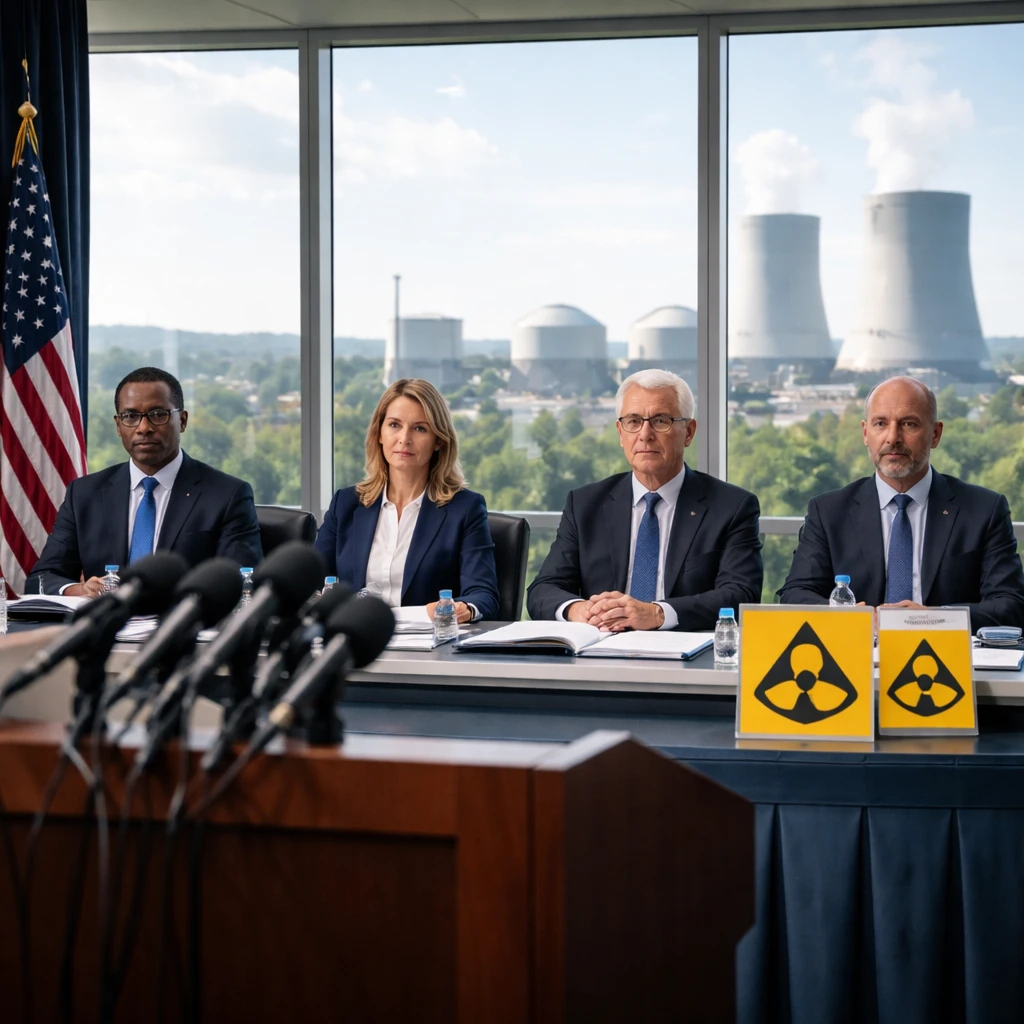
The U.S. Nuclear Regulatory Commission has proposed replacing the long-standing ALARA radiation protection standard with objective dose limits and a graded, risk-based approach to dose management. The move, presented by NRC leadership as a clarification of regulations rather than a relaxation of safety, is tied to broader executive actions aimed at accelerating reactor permitting and expanding nuclear capacity to meet rising electricity demand.

NRC Proposes Replacing ALARA Standard With Fixed Dose Limits in Bid to Clarify Radiation Rules
Summarize with
ChatGPT Perplexity Claude Grok Gemini

Key Points

  • The NRC proposal would remove the ALARA radiation protection standard and replace it with objective dose limits.
  • The rule introduces a graded, risk-based approach and gives plant operators more flexibility to use modern dose evaluation methods.
  • The move is linked to executive orders signed in 2025 aimed at accelerating reactor permitting and boosting U.S. nuclear capacity to meet rising electricity demand from data centers, electric vehicles and cryptocurrencies.

The Nuclear Regulatory Commission on Wednesday unveiled a proposed revision to its radiation protection rule that would remove the As Low as Reasonably Achievable standard - commonly known as ALARA - and substitute clear numerical dose limits for radiation exposure.

The change is part of a regulatory push to simplify compliance and promote faster development of reactors while holding to the commission's stated safety responsibilities. Officials framed the proposal as a move toward regulatory clarity rather than a lowering of protections. "This rulemaking is raising the bar on clarity in our regulations," Ho Nieh, the NRC chairman, told reporters. "It is not lowering the bar on our safety standards."

Under the proposal, the agency would adopt a graded approach to managing radiation doses that reflects differing levels of risk and operational contexts. The draft rule would allow licensees greater discretion to apply modern methodologies when estimating doses received by workers and members of the public.

Representatives of the nuclear industry have argued that ALARA is tied to the Linear No-Threshold model, which holds that any radiation dose carries some cancer risk, and that meeting ALARA requirements can be costly and time-consuming. The proposed replacement with objective dose limits is presented as a way to reduce that compliance burden.

The rulemaking fits into a wider policy agenda set by President Donald Trump. In 2025, the president signed executive orders aimed at accelerating reactor permitting and overhauling the Nuclear Regulatory Commission. Those orders included directives for the Energy and Defense departments to collaborate on building nuclear plants on federal lands.

The administration has set an explicit long-term goal for nuclear power capacity. Trump aims to increase U.S. nuclear capacity fourfold by 2050, citing the need to meet growing electricity demands from data centers, electric vehicles and cryptocurrencies.

The proposed rule and the executive actions together signal a regulatory and policy emphasis on speeding development and reducing costs for nuclear generation, while NRC leadership emphasizes that the agency is seeking clearer rules without diminishing safety standards.

Risks

  • Industry criticism that ALARA is tied to the Linear No-Threshold model and that compliance has been expensive and time-consuming - indicating potential contention over the proposed change, particularly for the nuclear sector and plant operators.
  • Uncertainty about how the new, objective dose limits and graded approach will be implemented in practice and how that will affect regulatory compliance processes for nuclear operators.
  • Limited information in the proposal regarding the operational transition from ALARA to the new framework - creating short-term regulatory and planning uncertainty for companies in the nuclear industry and related supply chains.

More from World

U.S. Designates Ecuadorian Gang 'Chone Killers' as Foreign Terrorist Organization Jul 1, 2026 Teen Extradited from Finland to Face U.S. Charges Linked to 'Scattered Spider' Hacking Campaign Jul 1, 2026 Young volunteers run quake shelters as survivors and homeless share classrooms in La Guaira Jul 1, 2026 Italian New Car Sales Rise 10.6% in June as Market Share Shifts Jul 1, 2026 Rescuers Continue Exhausting Search for Survivors Amid Widespread Destruction in La Guaira Jul 1, 2026