
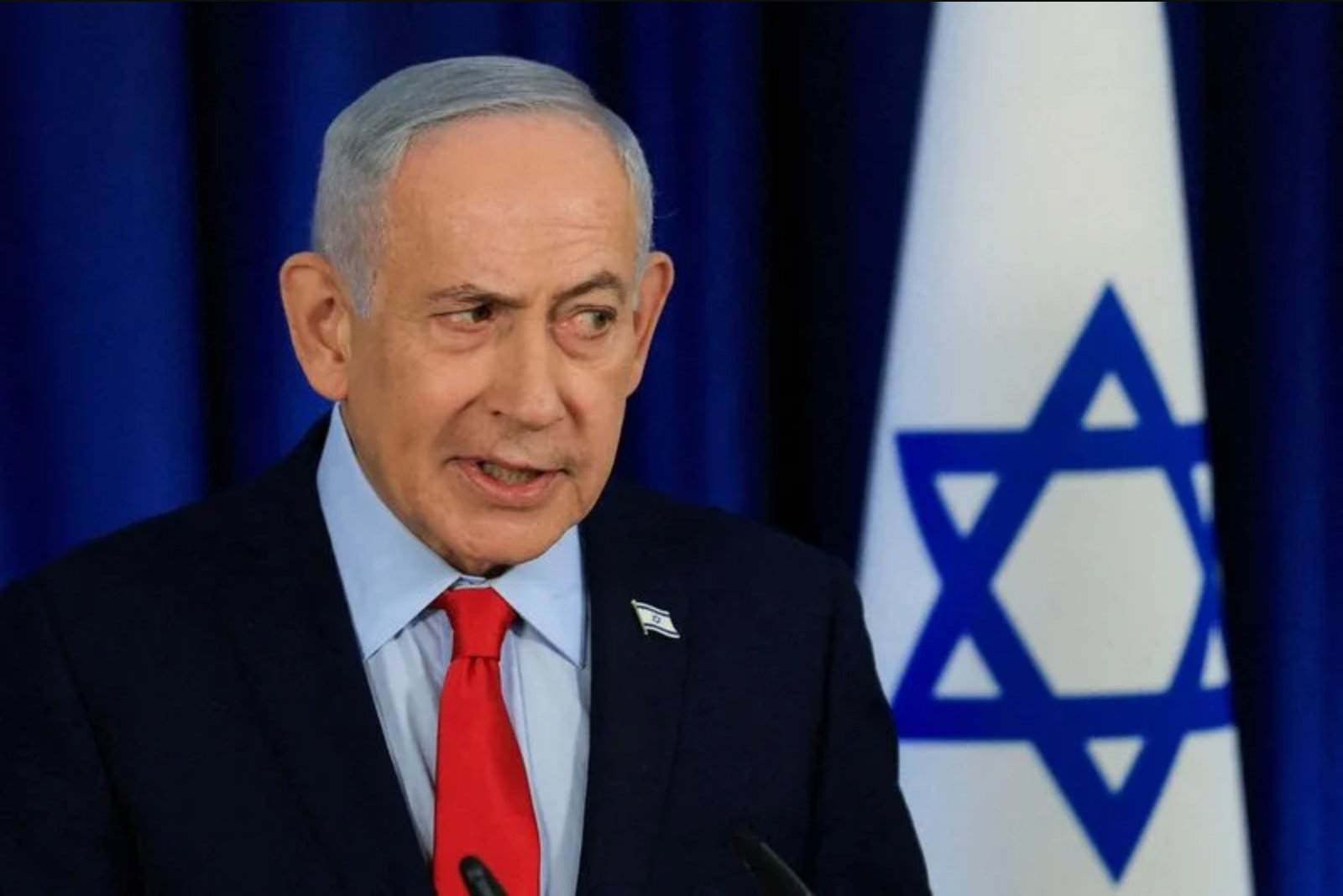
Benjamin Netanyahu will be a candidate in Israel's next parliamentary election, his Likud Party said on Wednesday, reaffirming his intention to run after comments from U.S. President Donald Trump that cast doubt on the prime minister's plans.
In a short announcement, Likud declared that Netanyahu will stand in the contest and, "God willing, he would win." The vote itself has not been formally scheduled, but Israeli law requires elections to be held by October.
The exchange that prompted the party statement began when Jonathan Karl, chief Washington correspondent at ABC News, posted on X that President Trump told him he was unsure if Netanyahu would seek another term. "I don’t know, he’s had an amazing career. Does he want to continue?" the journalist quoted Trump as saying.
The forthcoming election will be the first national ballot since the October 7, 2023 Hamas attack - described in public accounts as Israel's worst security failure - which set in motion Israel's subsequent assault on the Gaza Strip.
Netanyahu returned to the premiership in December 2022 at the head of what has been described as the most right-wing governing coalition in Israel's history. His time in office since then has been marked by significant domestic unrest and a series of regional conflicts. Prior to the wars in Gaza, Lebanon and Iran, he faced large anti-government protests.
Polling has repeatedly indicated difficulty for Netanyahu's bloc in securing a parliamentary majority at the next election. A survey published by the Jerusalem-based Israel Democracy Institute on June 9 found that 61% of Israelis believe he should not run. At the same time, available polling suggests that a coalition of opposition parties would fall short of a majority unless it includes Arab parties - an option that some opposition leaders have said they will not pursue.
Ties between Trump and Netanyahu remain close according to U.S. and Israeli officials, but the relationship has experienced strains. The two leaders were reported to have launched the Iran war together in February, and tensions have surfaced more recently as Trump urged Israel to limit military operations in Lebanon while the United States negotiates a peace deal with Tehran.
In comments last week, Trump acknowledged using the phrase "fucking crazy" to describe Netanyahu during a heated phone conversation, while also saying the pair get along well. Trump has also repeatedly urged Israel's president to pardon Netanyahu over pending corruption cases that the prime minister has denied.
Key context and implications
- Netanyahu's re-entry into the race consolidates the front-runner status for the incumbent's party, despite public resistance reflected in polls.
- Coalition arithmetic remains uncertain - the opposition would likely need Arab party support to reach a majority, a prospect some opposition figures reject.
- Relations between Israel and the United States are described as close but intermittently strained, with recent disagreements tied to military actions and negotiations concerning Iran.
- Defense and security - ongoing conflicts and campaign rhetoric could influence defence spending and procurement decisions.
- Diplomacy and energy - regional military activity and negotiations with Tehran are factors affecting diplomatic alignments and market sensitivity.