
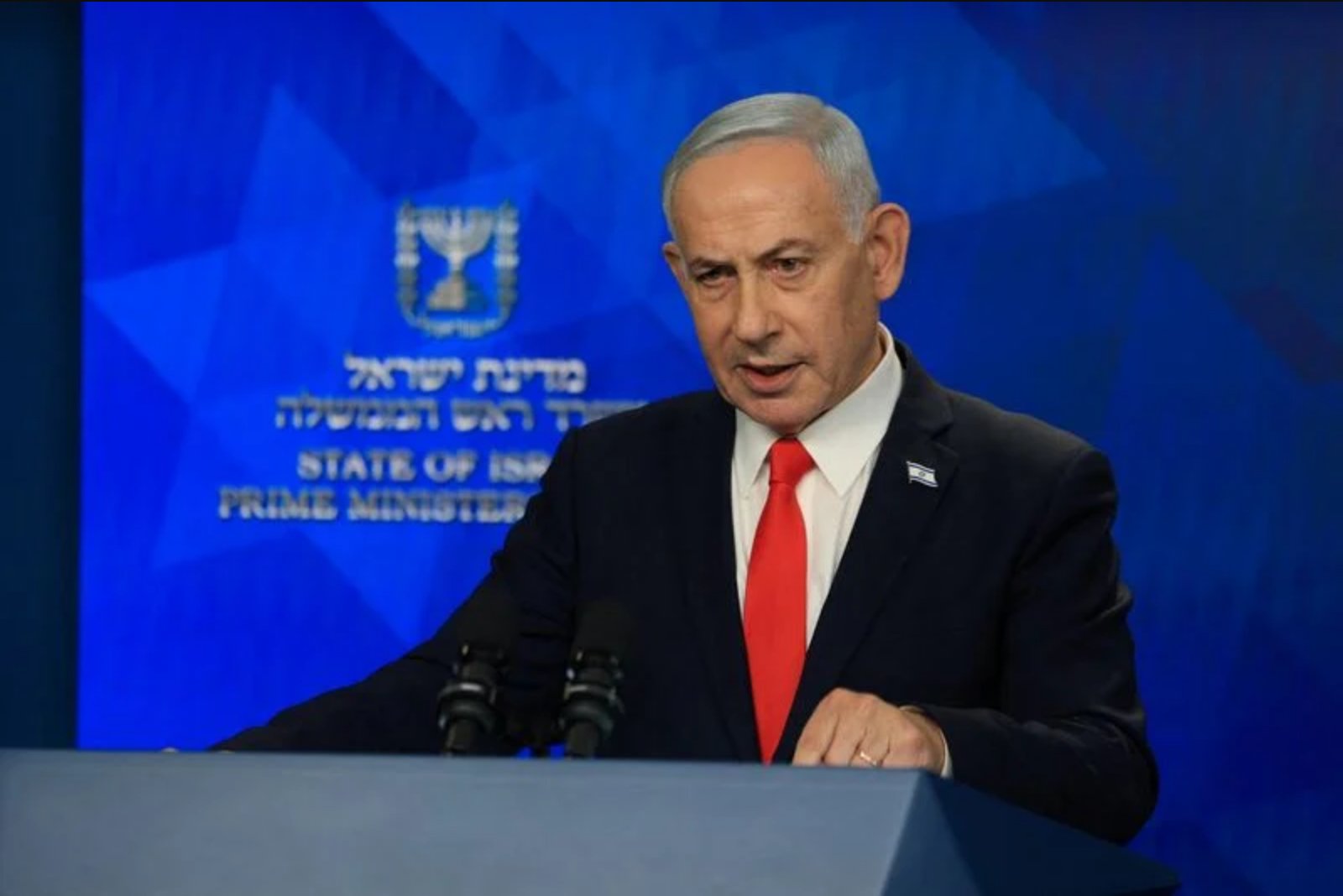
Prime Minister Benjamin Netanyahu’s administration has formally challenged a recent Supreme Court decision concerning the country’s media regulator, reviving a dispute over the judiciary that dominated public debate before Hamas’ October 7, 2023 attack. The step was announced as Israel moves toward a national election anticipated by late October.
Government statement and its claims
In a statement issued on Sunday, the government characterized the Supreme Court’s June 17 ruling on the composition of the Second Authority for Television and Radio as a clear example of judicial overreach. Justice Minister Yariv Levin and Communications Minister Shlomo Karhi declared that the court’s decision would not be respected by the government.
Levin, who led a high-profile 2023 effort to limit the Supreme Court’s powers that sparked widespread protests and was paused after the October 7 attack, has in recent months overseen a revival of parts of the judicial overhaul plan within Netanyahu’s nationalist-religious coalition.
Practical effect and broader significance
Officials acknowledge that the declaration is unlikely to change the immediate functioning of the media regulator. Nevertheless, opponents contend the move carries larger implications: they say it erodes the rule of law and the democratic foundations of the state, risking a constitutional crisis by setting the executive against the judiciary.
"Apparently nothing really happened, but essentially something very dramatic did happen," said Dina Zilber, Israel’s former deputy attorney general. Zilber added that for the first time the government used its own formal executive powers to flout a court order, delivering "a harsh blow to the rule of law and to the separation of powers."
Observers have also pointed to a wider agenda by the coalition to reshape the media landscape and to past attempts to restrict public broadcasters. "The reason that the government actually objected (to the court ruling) so hard, is the fact that they want to gain more power over the communication and media markets in Israel," said Tehilla Shwartz Altshuler, an expert on media and technology policy at the Israel Democracy Institute.
Political backdrop
Israel is due to hold elections by late October, though the exact date has not been set. Opinion polls cited by political commentators indicate Netanyahu’s right-wing coalition is expected to lose the upcoming ballot. Ahead of the vote, Netanyahu’s Likud party is anticipated to conduct primaries, and ministers seeking prominent positions may press measures that appeal to their voter base by emphasizing actions against the judiciary and the media — institutions that coalition leaders have frequently portrayed as left-wing and elitist.
Netanyahu has not yet publicly addressed the government’s declaration. His Cabinet Secretary Yossi Fuchs sought to temper the rhetoric of ministers Levin and Karhi, saying the government statement did not call for disobeying the court’s decision but rather offered pointed criticism of the judiciary and announced that the Cabinet would deploy all legal means available to overturn the court’s order.
How this ties to Netanyahu personally
The issues of media regulation and judicial authority are politically charged for Netanyahu because he is on trial for corruption charges, which he denies. Two of the three criminal cases involve alleged regulatory favours to media moguls. Netanyahu has described the prosecutions as a political left-wing witch-hunt intended to topple a democratically elected right-wing leader.
Public and institutional reaction
Critics say the government’s declaration represents an assault on democratic norms and accuse officials of attempting to divert attention from the security failures linked to the October 7 attack and from the human and political costs of more than two years of war that followed in Gaza, Lebanon and Iran.
Israel’s President Isaac Herzog, Opposition Head Yair Lapid and Attorney General Gali Baharav-Miara all publicly opposed the government’s declaration on Sunday, warning it undermined democratic principles and the rule of law. On Monday, Lapid said the government was attempting to weaken the courts ahead of the election.
The coming weeks are likely to see intense political and legal debate as parties sharpen positions ahead of the campaign season and as the executive and judiciary navigate the immediate fallout from the government’s declaration.