
World July 15, 2026 09:43 AM

Moscow Says Post-Conflict Multinational Force in Ukraine Would Be Treated as a Legitimate Target

Kremlin officials call deployment by the 'coalition of the willing' an unacceptable foreign intervention and a threat to Russian security

By Marcus Reed
Share
Twitter Reddit Facebook LinkedIn

Russia has warned that any multinational military contingents sent into Ukraine after a negotiated halt to fighting would be unacceptable and would be regarded as a direct threat to Moscow, with officials saying such forces would be legitimate military targets. Western countries that have described themselves as a 'coalition of the willing' met in Paris and reaffirmed plans to deploy a Multinational Force for Ukraine after a cessation of hostilities and to conduct exercises in the coming months to demonstrate its capabilities.

Moscow Says Post-Conflict Multinational Force in Ukraine Would Be Treated as a Legitimate Target
Summarize with
ChatGPT Perplexity Claude Grok Gemini

Key Points

  • Russia publicly warned that multinational contingents deployed to Ukraine after a ceasefire would be treated as an escalation and legitimate targets - relevant to defence and geopolitical risk-sensitive markets.
  • Western allies in a 'coalition of the willing' confirmed plans to deploy a Multinational Force for Ukraine (MNF-U) after hostilities cease and to hold exercises in the coming months to demonstrate readiness.
  • The announcement highlights immediate strategic tensions between Russia and countries planning the MNF-U, with implications for sectors attentive to geopolitical stability such as defence and risk insurance.

MOSCOW, July 15 - The Russian government on Wednesday declared that it would not accept the deployment of multinational military contingents to Ukrainian territory following a ceasefire or peace agreement, warning that such units would be seen as an escalation and could be targeted.

The statement came after Western partners who identify themselves as a "coalition of the willing" gathered in Paris this week and recommitted to plans to station a post-conflict stabilisation force in Ukraine. Those allies said the force - referred to as the Multinational Force for Ukraine (MNF-U) - is intended to reassure Ukraine and assist in regenerating its armed forces once hostilities stop. They also indicated that exercises will be held in the coming months to demonstrate the MNF-U's capability to operate.

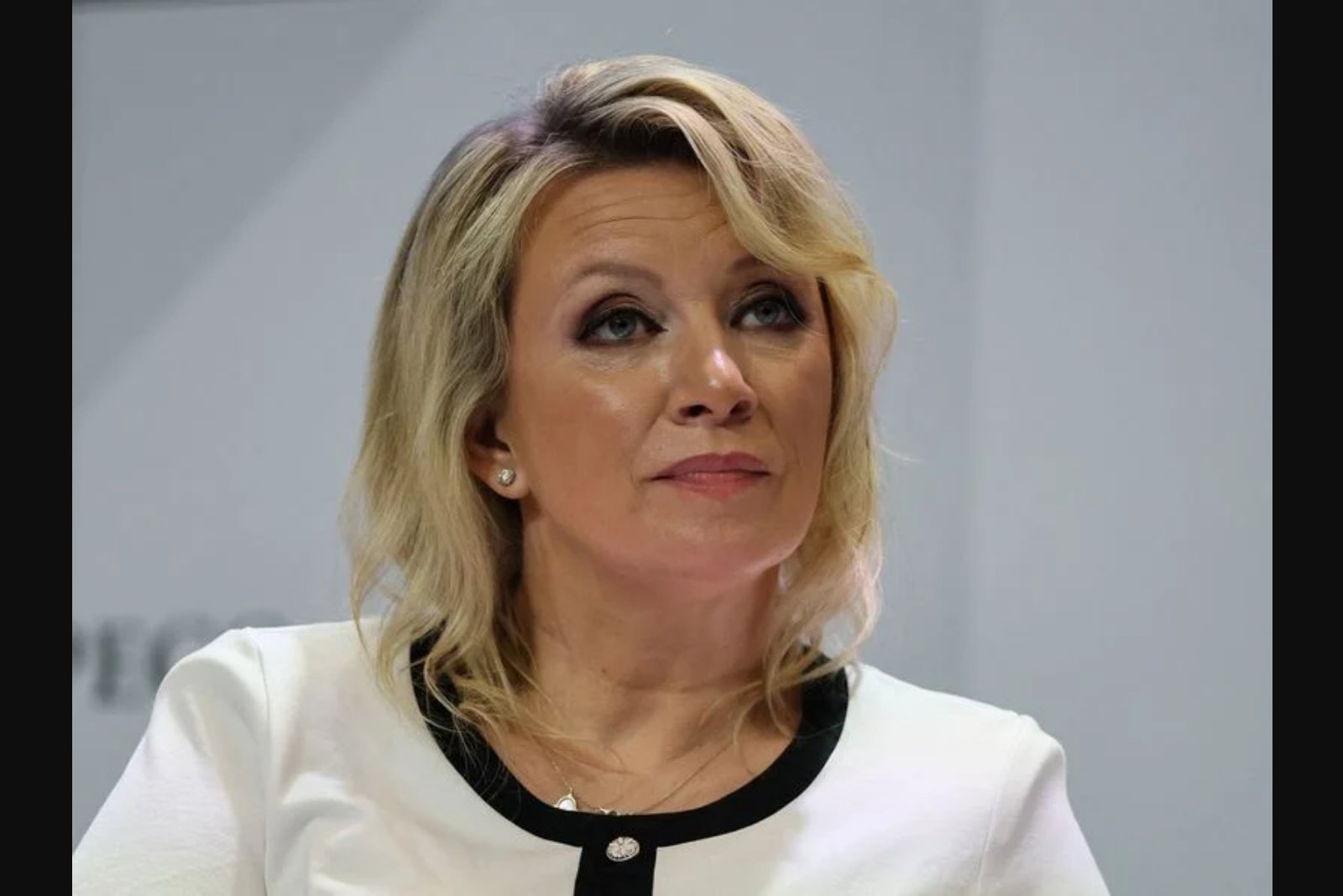
Speaking to reporters, Russian Foreign Ministry spokeswoman Maria Zakharova made Moscow's position explicit. She said: "In this context, we would like to reiterate that the deployment of any military contingents from countries of the so-called 'coalition of the willing' to Ukraine is unacceptable to our country. I repeat: this would amount, de facto, to foreign intervention and an escalation of threats to Russia's security. We would regard such units as legitimate military targets."

The comments underscore Moscow's public stance that foreign forces entering Ukraine under the auspices of a multinational stabilisation mission would be treated as a direct security challenge. Western participants in Paris have framed the proposed MNF-U as a post-ceasefire measure to bolster Ukrainian deterrence and support force regeneration, and have said proof-of-concept exercises are planned over the coming months.

Details on the composition, size, timeline or legal arrangements for the proposed MNF-U were not provided in the Russian statement. Likewise, the announcement from the Paris meetings described the intended purpose of the multinational force and the upcoming exercises but did not list operational specifics.


Key facts:

  • Western allies in a self-described "coalition of the willing" met in Paris and reaffirmed plans for a Multinational Force for Ukraine after a cessation of hostilities.
  • Allies said exercises will take place in the coming months to demonstrate the planned force's ability to act.
  • Russian Foreign Ministry spokeswoman Maria Zakharova stated any such deployment would be unacceptable to Russia and would be regarded as a legitimate military target.

Risks

  • Unclear details on the MNF-U's composition, timeline and legal framework create uncertainty about when and how deployments or exercises might occur - this uncertainty affects defence procurement planning and market risk assessments.
  • Moscow's statement that deployed foreign units would be legitimate military targets introduces a risk of renewed escalation if such a force were to enter Ukraine, posing potential disruption to regional logistics and security-sensitive markets.

More from World

Alleged Russian Cyber Operative Had Prior Role at Kaspersky, Records and Sources Show Jul 15, 2026 U.N. Warns Profits from Sudan’s Gum Arabic Trade Are Fueling Ongoing Conflict Jul 15, 2026 EU and Ukraine Agree to Joint Drone Production Initiative Jul 15, 2026 Defence Minister’s Future in Flux as Zelenskiy Moves to Recast Cabinet Jul 15, 2026 Advocacy Groups Challenge U.S. Sanctions on International Criminal Court as First Amendment Violations Jul 15, 2026