
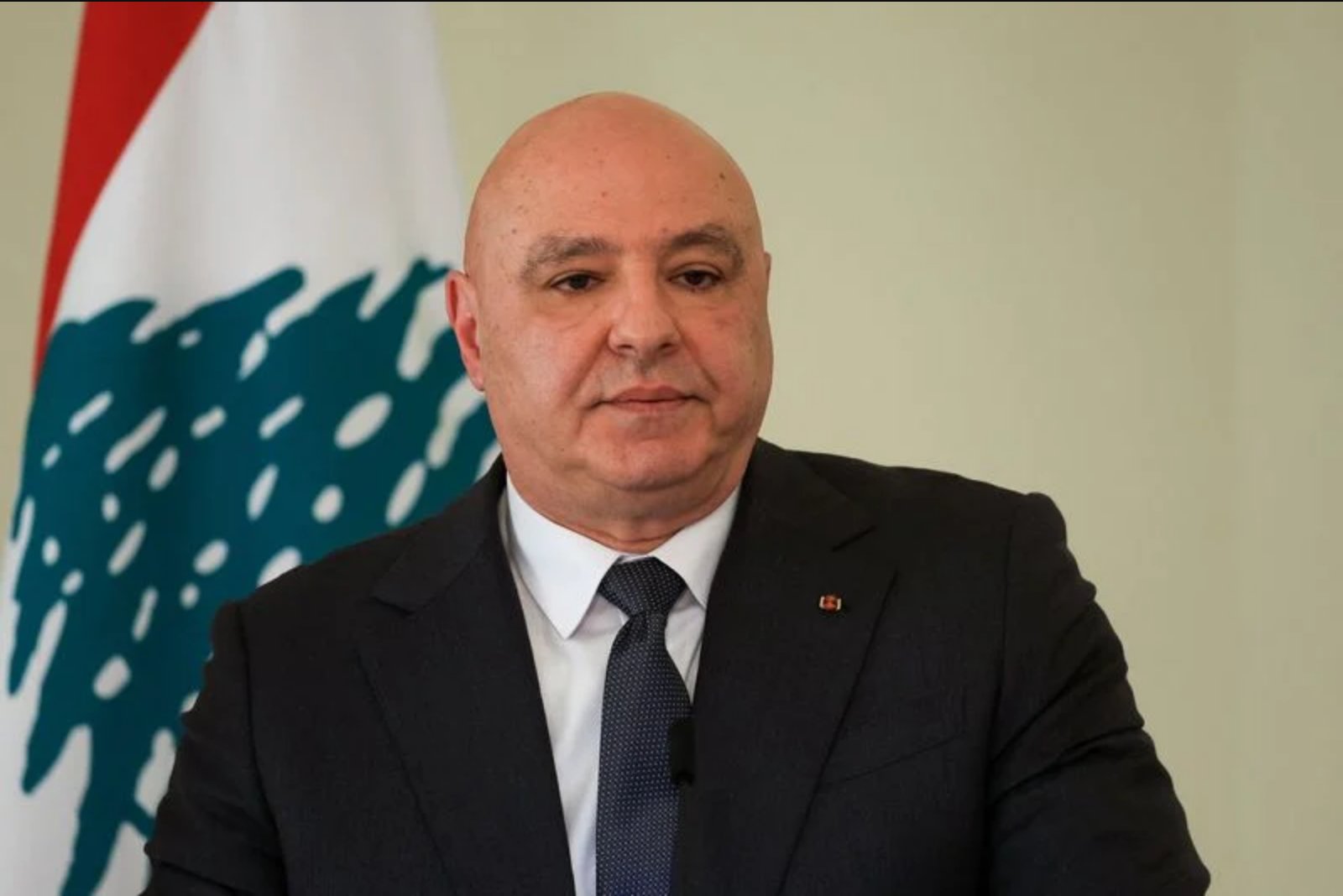
Lebanese President Joseph Aoun on Monday made an uncommon, direct appeal to both the Israeli government and the Israeli public to choose talks over continued military action in an effort to halt the fighting between the two countries. In an interview aired on CNN, Aoun warned that a military solution "will never provide you with security and safety."
"We are ready, we are willing, we are committed. Are you? If you are, let’s sit and talk," Aoun said, urging a negotiated settlement as an alternative to continued hostilities.
Officials in Beirut say the Lebanese government is engaged in direct negotiations with Israel under U.S. mediation aimed at achieving a comprehensive cessation of hostilities. Those talks proceed even as the armed group Hezbollah continues to fight Israeli forces in southern Lebanon and opposes the negotiation process.
Aoun made clear that he would not meet Israeli Prime Minister Benjamin Netanyahu until an agreement to end the war is reached. He characterized any prospective accord as a non-aggression pact - a formal end to the state of hostility - rather than a full peace treaty. "We need to end the state of hostility between Lebanon and Israel. Forever. And this (pact) could be a path forward for a just and lasting peace," he said, adding that Lebanon would align its approach with the 2002 Arab Peace Initiative.
On the diplomatic pathway, Aoun cautioned against expecting an instantaneous jump to comprehensive normalization. "But we cannot jump from A to B directly. We have to go through different steps," he said, describing a phased approach to de-escalation and potential future normalization.
Conflict timeline and humanitarian toll
The current war began on March 2 when Hezbollah fired on Israel in support of its ally Tehran, triggering an Israeli response that has included an air campaign and ground operations. Those military actions have left wide areas of southern Lebanon under occupation and inflicted heavy civilian costs.
More than 3,600 people have been killed in Israeli strikes on Lebanon, and the conflict has displaced over one million Lebanese, according to Lebanese authorities. Although the United States declared a ceasefire on April 16, fighting has persisted, and Lebanon reports that Israel has carried out nearly 3,500 strikes since that truce was announced.
Clashes continued to escalate in specific episodes. Israel struck Beirut’s southern suburbs on Sunday in retaliation for Hezbollah fire into northern Israel. That exchange coincided with a 24-hour direct exchange of fire between Iran and Israel, an incident that threatened to undermine Washington’s parallel diplomatic efforts with Tehran to end the more than three-month-old war.
Aoun on Iran and Lebanon’s position
In the interview, Aoun said Lebanon seeks a constructive relationship with Iran grounded in mutual respect and non-interference. He issued a sharp criticism of Tehran’s role in the conflict, saying Lebanon’s people "are being killed to serve Iran’s interests."
In a clip from the same interview aired on Friday, Aoun accused Iran of treating Lebanon as a bargaining chip in its negotiations with the United States, language that stands among his most direct public criticisms of Tehran to date.
As talks mediated by Washington continue, key political, security and humanitarian questions remain unresolved. Aoun’s appeal for negotiations frames Beirut’s stated willingness to pursue a non-aggression agreement as a potential step toward a more durable peace, while underscoring the limits of that effort given opposition from armed actors and regional tensions.