
Iran has communicated a request to Yemen’s Houthi movement to be prepared to close the Red Sea oil route if the United States carries out strikes on Iranian power infrastructure, three anonymous sources said. The development, disclosed by two senior Iranian sources and a regional source familiar with the matter, adds a potent and immediate new risk to global energy supply lines.
The message, which the sources said has been passed to the Houthi leadership, was described without detail on how or precisely when it was delivered. The sources did not state whether the outreach followed U.S. President Donald Trump’s recent threat to attack Iranian power infrastructure on Tuesday.
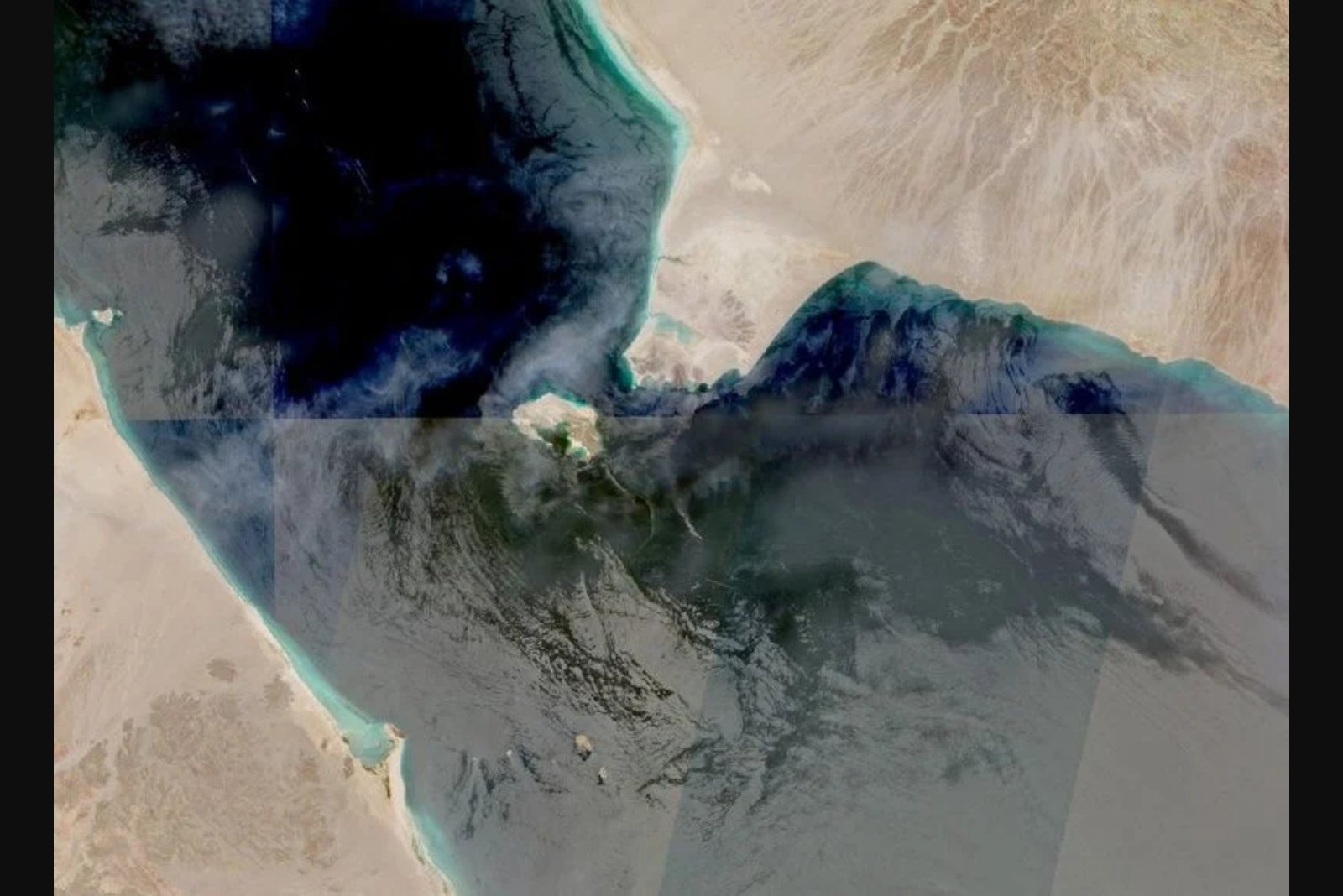
A source close to the Houthi group said fighters have completed preparations to attack shipping in the area by deploying missiles and drones near the Bab el-Mandeb strait. Those forces are positioned in Yemen’s highlands overlooking the port city of Hodeidah and the Gulf of Aden and are reportedly waiting for an order to act.
Officials and analysts warn that any threat to the Bab el-Mandeb gateway and the Red Sea at large would significantly worsen the global energy disruption triggered when Tehran closed the Strait of Hormuz earlier in the conflict. With the Hormuz strait already shut, Houthi strikes on vessels or port facilities in the Red Sea would mean simultaneous disruption of the Middle East’s two principal oil export routes.
Representatives of Iran’s Islamic Revolutionary Guard Corps who are present in Yemen were described by one source close to the Houthis as the actors who will determine the timing of any closure of the Bab el-Mandeb strait. That account indicates that operational control over such a decision would rest with IRGC personnel on the ground, rather than being an independent Houthi initiative.
The renewed tensions have already manifested in cross-border strikes. The Houthi movement fired missiles at Saudi Arabia after accusing the kingdom of bombing an airport under their control on Monday, an action that broke a four-year truce between the kingdom and the Yemeni group.
Torbjorn Solvedt, principal Middle East analyst at risk intelligence firm Verisk Maplecroft, said the timing of the flare-up increases the chance of wider disruptions. "If fighting intensifies and spills over into Red Sea export infrastructure and shipping, it will threaten the only major alternative route for oil exports from the region," he said.
Two regional sources close to Riyadh told the reporting parties that Saudi Arabia is taking the combined threats from Iran and the Houthis seriously and that Riyadh is aware the Yemeni group is now coordinating closely with Iran regarding the Red Sea theater.
The current conflict dynamic dates back to February 28, when Israel and the United States attacked Iran, prompting Tehran to close the Strait of Hormuz - previously the main route for roughly one-fifth of global energy supplies before the war. Tensions have continued to mount since a fragile June truce between Tehran and Washington collapsed, reviving fears of a broader war and disrupting flows through the Strait.
Since the Hormuz closure, a significant volume of Gulf oil has been rerouted through a Saudi pipeline to the Red Sea, and that waterway now accounts for around 7% of global energy supplies. Major shipping companies that previously faced Houthi attacks during the Gaza war rerouted cargoes on the longer and costlier voyage around the southern tip of Africa.
Saudi Arabia has reportedly diverted approximately 70% of its energy exports through the Red Sea port of Yanbu. As a result, any direct attacks on facilities or shipping lanes in that corridor would present a severe problem for oil markets that have already been coping with the Straits disruption.
One regional source characterized Tehran’s approach as aimed at increasing the potential economic cost to the United States by pressuring global trade and oil flows: threatening Red Sea shipping and the transit of Saudi oil through the waterway was described as part of "Iranian thinking." The same source also said closing down the strait would not require sophisticated armaments, asserting, "Anybody with a firing rifle can interrupt the shipping. You don’t have to have sophisticated missiles to interrupt the shipping."
Tehran regards the Houthi movement as a component of its so-called regional "Axis of Resistance," an alliance that also includes Lebanon’s Hezbollah and Shi'ite armed groups in Iraq. Those groups have already become involved in the broader regional conflict between Iran and the United States, according to the accounts in this reporting.
Despite these linkages, the Houthi rebels have not formally declared their entry into the wider confrontation. The United States asserts that Iran has supplied the Houthis with weapons, funding and training, including support routed through Hezbollah; Iranian authorities have denied those accusations.
The evolving situation leaves energy markets and maritime operators facing heightened uncertainty. If the Bab el-Mandeb gateway were to be closed or significantly disrupted, the global economy would face the prospect of simultaneous interruptions to two of the Middle East’s main export routes for oil, with implications for pricing, shipping costs and supply chain planning.