
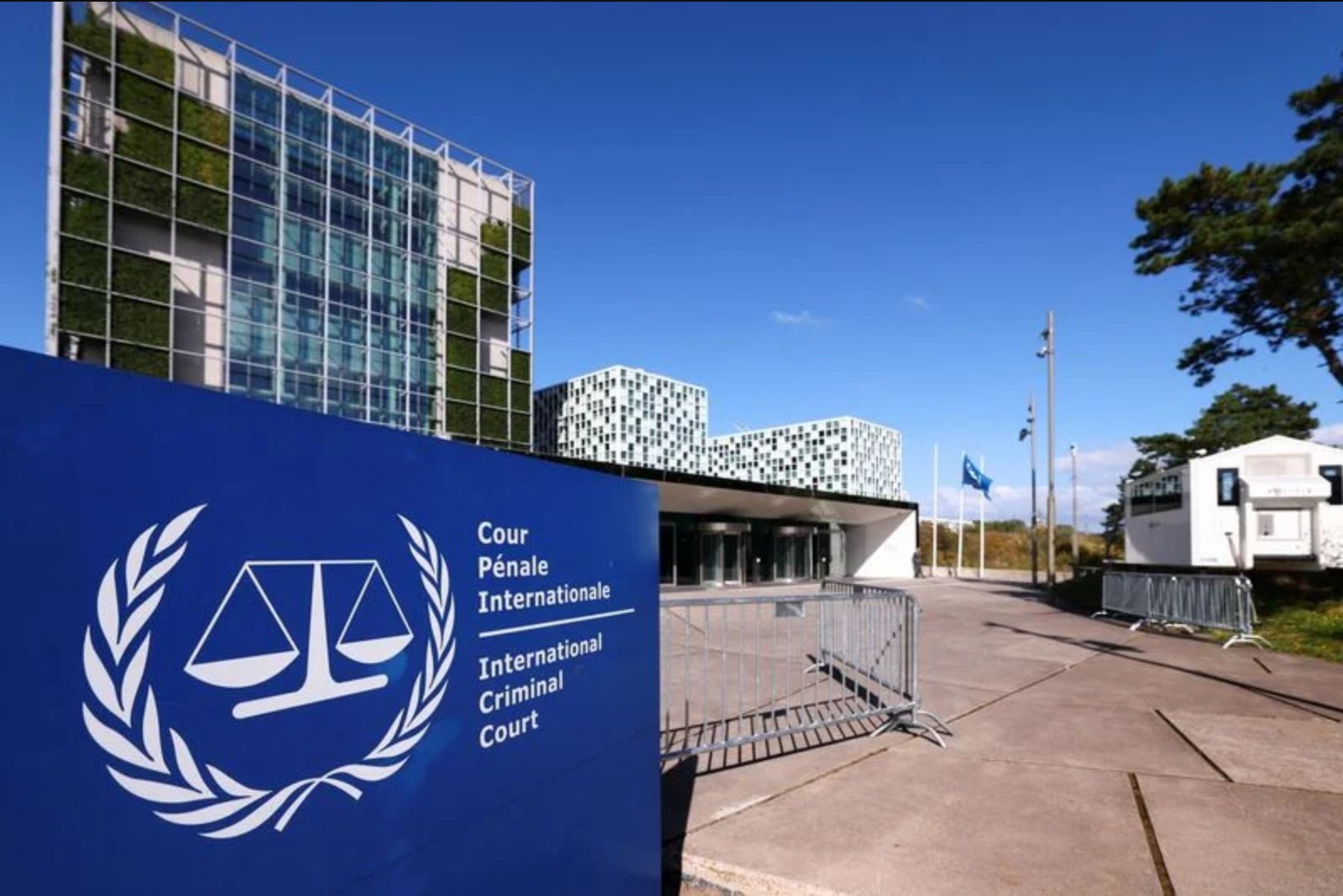
WASHINGTON, June 24 - Three judges who serve on the International Criminal Court have brought a lawsuit in federal court in Manhattan, challenging sanctions the Trump administration imposed on them last year and arguing the measures were unlawful.
The plaintiffs named in the filing are Kimberly Prost of Canada, Solomy Balungi Bossa of Uganda and Reine Adelaide Sophie Alapini-Gansou of Benin. The judges contend the sanctions were designed to exert extrajudicial pressure on members of the court with the aim of punishing and coercing them.
The lawsuit was filed against the U.S. government and its executives. The State Department, the Treasury Department and the White House did not immediately respond to requests for comment, according to the filing.
In the complaint, the judges say the administration’s actions were taken in response to two specific moves by the court: the issuance of an arrest warrant for Israeli Prime Minister Benjamin Netanyahu and a prior decision to open an investigation into alleged war crimes by U.S. troops in Afghanistan. The filing describes the sanctions as unprecedented retaliation against members of the international tribunal.
The judges explain how the sanctions affect individuals in practical terms, noting that restrictions tied to the measures impede routine financial transactions and day-to-day activities. The complaint emphasizes that banks with ties to the United States or institutions that conduct transactions in U.S. dollars are generally expected to comply with the restrictions, placing severe limitations on sanctioned persons’ ability to operate normally.
The International Criminal Court, established in 2002, has international jurisdiction to prosecute genocide, crimes against humanity and war crimes in member states or when a situation is referred by the U.N. Security Council. The ICC’s jurisdiction applies across its 125 member countries, though some states do not recognize the court’s authority - including the United States, China, Russia and Israel, the filing observes.
The judges’ complaint places the sanctions in the context of prior U.S. actions. It notes that the Trump administration had previously imposed sanctions in 2020 on then-prosecutor Fatou Bensouda and one of her top aides over the court’s work on Afghanistan.
Legal challenge
The central legal argument in the lawsuit is that the sanctions exceeded the scope of the International Emergency Economic Powers Act - known as IEEPA - and were not grounded in a genuine national emergency or an extraordinary threat. The judges assert that the use of IEEPA in this context was unlawful.
"The Sanctions Regime ... is designed to exert extra-judicial pressure on these judges and their colleagues on the ICC bench by targeting their financial and other personal interests, with the objective of punishing them for prior judicial decisions and coercing them into prioritizing their private interests over deciding cases on the basis of the law and facts," the lawsuit states.
The filing also includes a stark description of the personal and professional consequences faced by the three judges, saying the measures amount to a near-total financial blockade.
"Being subjected to such sanctions under IEEPA is tantamount to the financial death penalty. Due to the sanctions, Judges Prost, Bossa, and Alapini-Gansou are no longer able, among other things, to use credit cards; access banking services; use common online platforms, such as Amazon and Google; book travel; and in some cases, obtain health insurance," the complaint says.
Beyond the personal restrictions, the judges assert that the sanctions impede their official functions. The filing states the measures prevent the submission of evidence and legal argument in any pending or future proceeding before them, a procedural consequence the judges describe as directly damaging to their ability to carry out judicial duties.
Summary of key points
- Three ICC judges have sued the Trump administration in Manhattan federal court, challenging sanctions imposed on them last year.
- The complaint argues the sanctions exceeded the authority of IEEPA and were not justified by a genuine national emergency or extraordinary threat.
- The sanctions were imposed in response to the ICC’s issuance of an arrest warrant for Israeli Prime Minister Benjamin Netanyahu and for opening a past probe into alleged U.S. troop conduct in Afghanistan, and they have had broad practical effects on the judges’ personal and professional lives.
Sectors affected - The lawsuit and the sanctions have implications for international law institutions, financial services that handle cross-border transactions in dollars, and diplomatic relations that influence legal cooperation.
Risks and uncertainties
- Legal uncertainty over the scope of IEEPA - The plaintiffs argue the statute was improperly applied, raising questions about the limits of executive authority under that law; this affects legal and policy sectors that rely on executive economic powers.
- Practical barriers to judicial duties - The judges say the sanctions hinder their ability to receive evidence and engage in proceedings, creating uncertainty around the functioning of specific ICC cases and broader court operations.
- Financial and transactional disruptions - Because banks with U.S. ties or dollar-clearing operations are likely to comply with sanctions, affected individuals face restrictions that reverberate through financial services and platforms that handle international payments.
The complaint is now pending in federal court in Manhattan, where it will be considered under the legal arguments and factual record presented by the judges and the government. The State Department, Treasury Department and White House have not publicly responded to the filing, the complaint notes.