
Lead
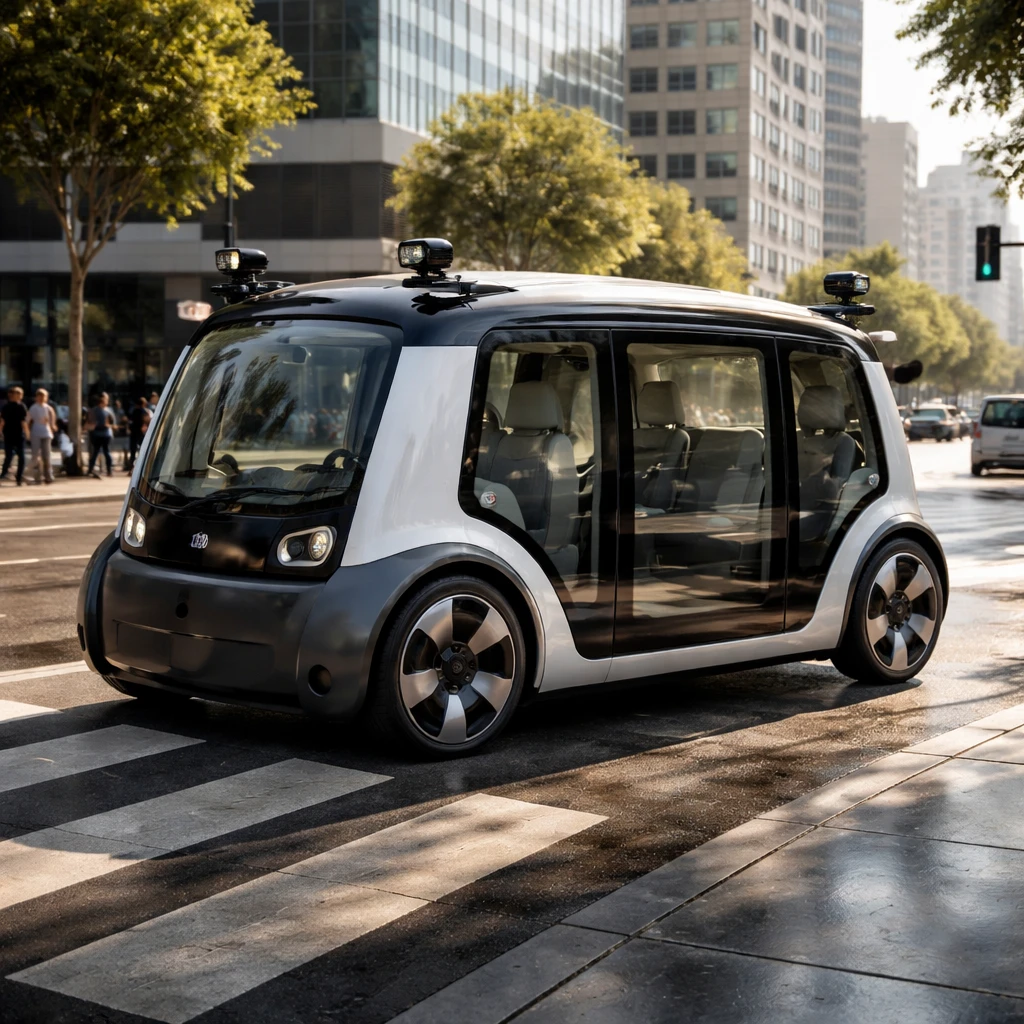
Federal regulators have for the first time approved a limited commercial rollout of robotaxis that lack traditional human controls. The National Highway Traffic Safety Administration (NHTSA) issued an exemption allowing Zoox - the autonomous vehicle unit owned by Amazon - to operate steering-wheel-free, carriage-style electric vehicles commercially, subject to conditions intended to monitor safety performance.
Scope of the exemption
NHTSA Administrator Jonathan Morrison told Reuters that Zoox received clearance to commercially deploy up to 2,500 vehicles in each of the next two years. The exemption relieves Zoox from certain Federal Motor Vehicle Safety Standards that presume the presence of human driving controls such as steering wheels and pedals.
In describing NHTSA’s assessment, Morrison said: "We can say pretty clearly that the systems in place on the Zoox exceed the equivalent performance requirements of a compliant vehicle." He added a further caveat: "But we still want to make sure that the automated driving system will operate appropriately."
Regulatory safeguards and reporting
Along with the exemption, the agency imposed additional reporting requirements on Zoox. The company must provide data on events such as crashes or instances where vehicles stop inappropriately on public roads. NHTSA also indicated it will revisit the conditions of the exemption based on observed vehicle behavior and retains the authority to withdraw the exemption if significant safety issues are discovered. As Morrison put it, "We have the ability to pull the exemption if we see major safety issues."
Zoox currently operates passenger-carrying tests in parts of Las Vegas and San Francisco. Under the new clearance, those operations can expand to fee-based rides, but charging passengers remains contingent on state and local approvals.
Context within the AV industry
The decision highlights a regulatory turning point for companies building self-driving vehicles from the ground up rather than adapting conventional cars to autonomous systems. Zoox’s vehicle design is described as electric and carriage-style, featuring two rows of inward-facing seats. Other industry players, including Tesla and Alphabet’s Waymo, are also engaged in efforts to scale autonomous ride-hailing services, though approaches differ.
The NHTSA noted it is moving to update regulatory frameworks to better reflect automated driving technology. Morrison said the agency expects to develop the first federal safety standards for automated driving systems by the end of the Trump administration. Proposed changes also include revising existing requirements that were written with human drivers in mind, such as mandating brake pedals and rear-view mirrors.
Safety concerns and enforcement posture
NHTSA has flagged a series of operational concerns that have arisen during testing and limited deployments of driverless vehicles. In a strongly worded letter this month, the agency urged autonomous vehicle developers to "immediately focus" on addressing what it identified as "a clear pattern of driverless AVs interfering with law enforcement and other first responders."
Regulators cited examples of problematic behavior that have contributed to public safety concerns: robotaxis driving around stopped school buses or into construction zones, becoming immobilized on water-flooded roads or busy intersections, and violating traffic laws. Those patterns have led to recalls and have prompted the regulator to warn that it will use "the full extent of our enforcement authority" if issues persist.
Following the NHTSA’s letter, Zoox recalled its fleet of 105 autonomous vehicles to install a software update addressing a potential failure to detect heavy smoke, especially in active emergency situations.
Next steps
Morrison is scheduled to discuss some of the agency’s safety efforts at SAE International’s Automated Transportation Symposium in San Diego. Meanwhile, NHTSA said it will continue to monitor Zoox’s deployed vehicles and adjust conditions attached to the exemption based on operational performance.
Implications
The exemption sets a precedent for purpose-built robotaxis operating without manual controls, but the clearance is conditional and accompanied by intensified supervision. The regulatory approach combines a path for limited commercial activity with explicit monitoring and enforcement mechanisms designed to respond to safety issues as they arise.