
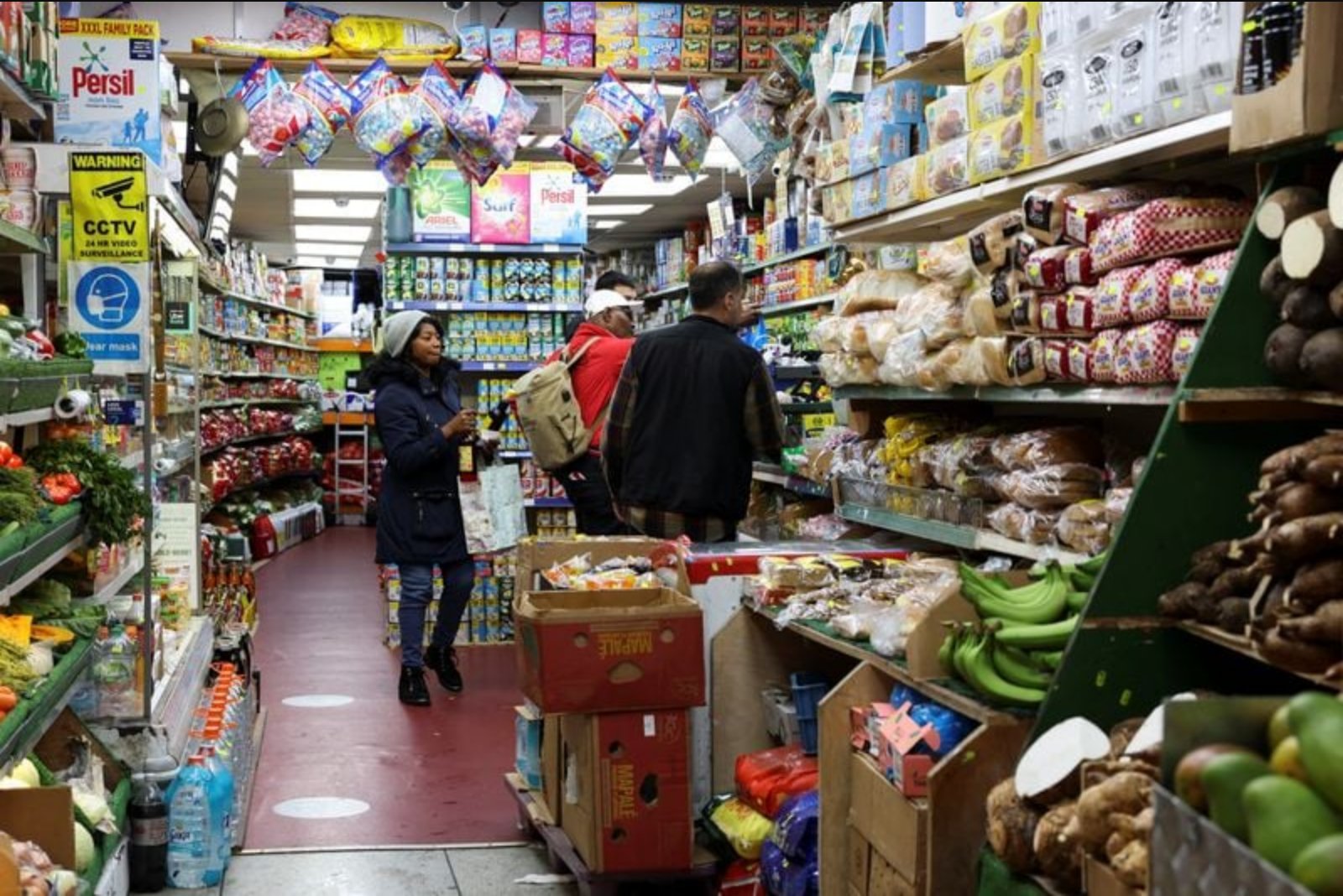
British grocery inflation moderated to 3.0% in the four weeks to June 14, according to data from Worldpanel by Numerator, easing immediate concerns that the Middle East conflict would quickly feed through into higher supermarket prices. That reading compares with 3.1% in the prior month and 3.8% in the month before that.
Worldpanel’s figures are the most current indicator of consumer behaviour in the UK grocery market, offering an early glimpse of food price trends for June ahead of the official inflation release scheduled for July 22.
On volumes, Worldpanel found that grocery sales rose 2.4% year-on-year over the four-week period, a pattern that indicates shoppers purchased fewer items once inflation is accounted for. The researcher noted a boost in demand for seasonal items during a recent ten-day heatwave, with higher sales of sun care products and beef burgers.
Category-level pricing movements were uneven. Worldpanel reported prices rising most quickly for fresh fish and skin care, while the fastest falls were recorded in butter and spreads and soft drinks.
Industry perspectives remain mixed on the potential inflationary impact of the Middle East conflict. Tesco told Worldpanel that, so far, Iran war-driven inflation "hasn’t materialised as an issue" and said it did not accept a Food and Drink Federation warning that food prices would rise by almost 10% by December. Tesco also said its own rate of food inflation was running below the official rate for May of 2.2%.
By contrast, the British Retail Consortium, which represents major grocers, expects food inflation to pick up in coming months as input costs rise as a result of the conflict.
Promotions remained an important lever for households controlling their bills. Worldpanel reported that 30.4% of all grocery sales were made with some form of deal during the period, indicating heavy reliance on retailer price promotions.
Retailer performance over the 12 weeks to June 14 showed modest shifts in growth and market share. Tesco’s sales growth slowed to 1.2% over that period and its market share slipped by 10 basis points. Sainsbury’s recorded 2.0% sales growth, with its market share up by 10 basis points. Asda continued to lose market share.
Among bricks-and-mortar grocers, Lidl GB posted the strongest growth in the researcher’s dataset, with sales up 8.6%. Online grocer Ocado registered the fastest overall growth, rising 13.5%.
| Retailer | Market share | Market share (12 weeks to June 14) | % change in sales (12 weeks to June 14, year-on-year) |
|---|---|---|---|
| Tesco | 28.0 | 28.1 | 1.2 |
| Sainsbury’s | 15.3 | 15.2 | 2.0 |
| Asda | 11.5 | 12.1 | -3.6 |
| Aldi | 10.7 | 10.9 | 0.4 |
| Lidl | 8.7 | 8.2 | 8.6 |
| Morrisons | 8.4 | 8.4 | 1.4 |
| Co-operative | 5.3 | 5.2 | 2.7 |
| Waitrose | 4.5 | 4.5 | 1.7 |
| Iceland | 2.2 | 2.2 | 2.2 |
| Ocado | 2.2 | 2.0 | 13.5 |
Worldpanel’s snapshot paints a market where headline grocery inflation has slowed modestly, shoppers are cutting back in volume terms and promotions remain a key tool for households. Retailers are showing divergent momentum, with discount and online players growing fastest in this dataset while some larger supermarket chains experienced slower sales growth or market share erosion.
Data source: Worldpanel by Numerator.