
UBS has upgraded BorgWarner from Neutral to Buy and lifted its price target to $95 from $61, pointing to the automotive supplier's expanding role in non-automotive power markets. The brokerage highlighted opportunities in data-center power generation, battery energy storage systems (BESS) and power electronics as drivers that could materially boost the company's earnings and support a higher valuation multiple.
Under UBS's base-case outlook, BorgWarner's valuation reaches $95 per share. The firm also describes a more optimistic scenario in which faster-than-expected adoption of BorgWarner's non-automotive technologies could lift the stock to $140 per share. UBS framed these outcomes around the company's technology portfolio and the scale potential of its power-generation business.
UBS estimates that by 2030 roughly 23% of BorgWarner's revenue and 30% of its EBIT could come from non-automotive operations, a shift the firm says could support a projected 19% compound annual growth rate in earnings per share between 2027 and 2030. The brokerage also suggested that the market may be underpricing BorgWarner's power-generation prospects - saying current market assumptions imply about 1.8GW of output by 2030, while UBS forecasts roughly 3.6GW.
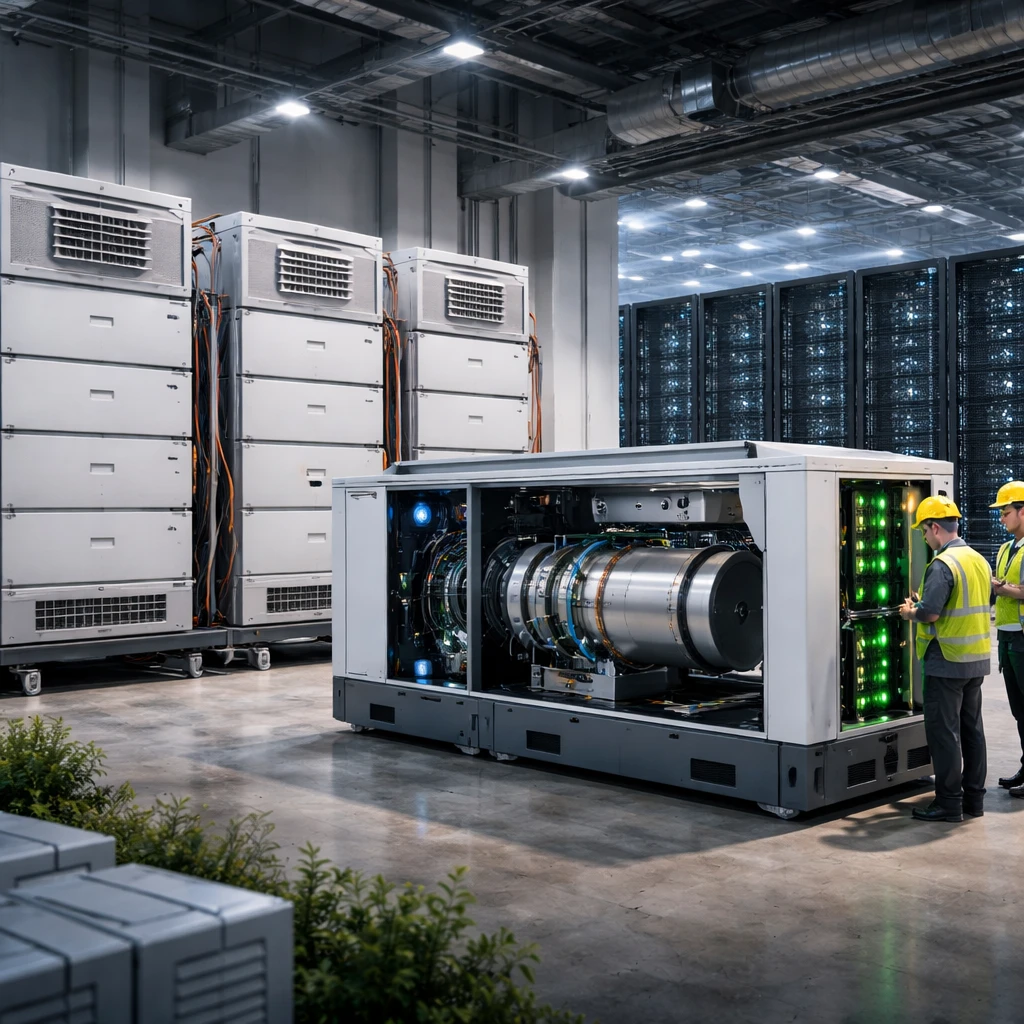
A central element of UBS's bullish case is BorgWarner's TurboCell micro-turbine generator business. UBS estimates that, if production capacity expands from 2GW to 4GW and utilization reaches about 90%, TurboCell could generate nearly $4 billion in revenue by 2030. In that scenario the firm expects power generation to represent around 20% of BorgWarner's sales and roughly 26% of EBIT by the end of the decade.
Beyond micro-turbines, UBS pointed to growth opportunities in battery energy storage and power electronics. The brokerage noted BorgWarner is already quoting BESS projects to potential customers and has shipped inverter samples for microgrid applications. UBS also cited a structural tailwind tied to the move toward 800VDC architectures in AI-focused data centers, where BorgWarner's experience in automotive power electronics could be an advantage in non-automotive deployments.
This thesis relies on execution across several fronts: scaling TurboCell manufacturing, achieving high utilization rates and converting early engagements in BESS and microgrid systems into meaningful commercial revenue. UBS frames these milestones as the levers that could translate technology readiness into the higher sales and EBIT mix that underpin its valuation scenarios.