
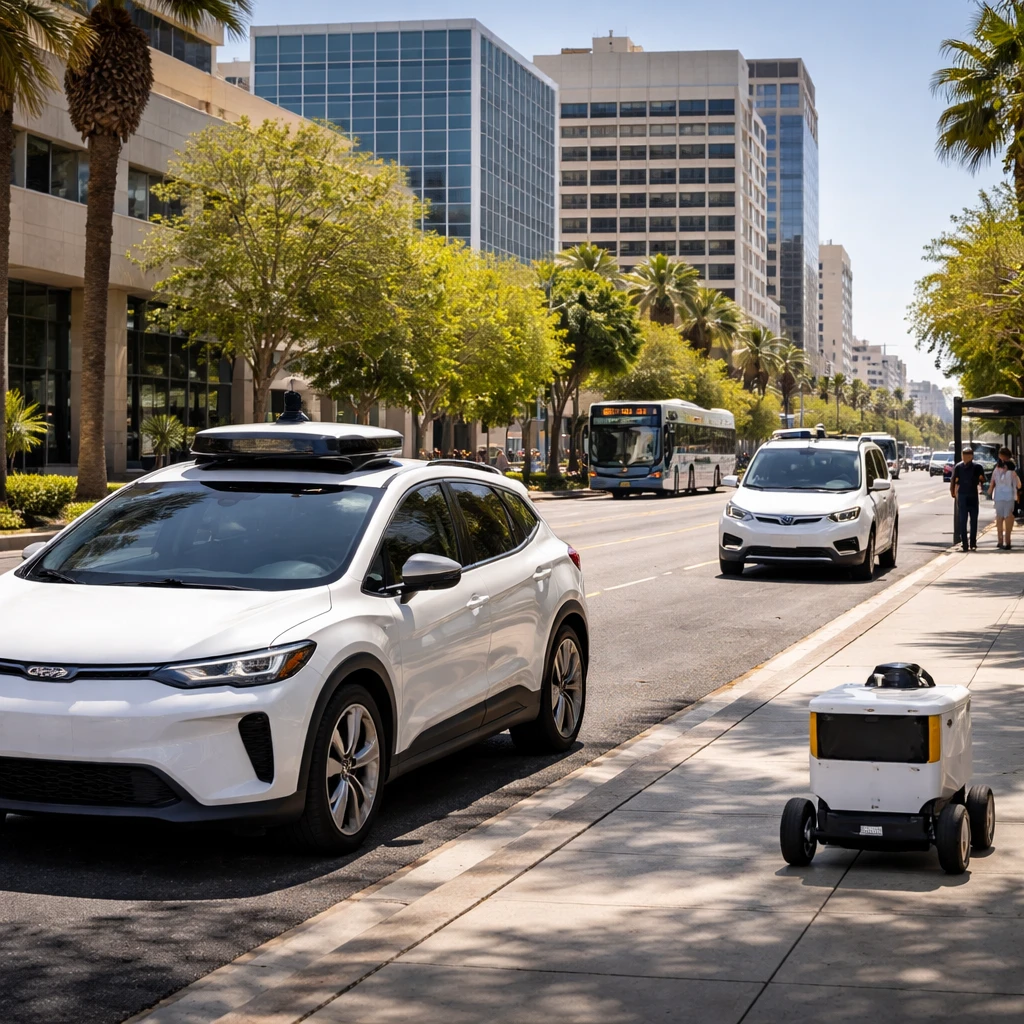
Uber Technologies Inc. has formally ended its autonomous vehicle partnership with Waymo in Phoenix, the companies said. The ride-hailing portion of the collaboration concluded last month after completing hundreds of thousands of trips, while the on-demand food delivery element of the program ended in May 2025.
Phoenix was Waymo's first market to offer paid passenger rides through its own app, beginning in 2020. The two companies reached a multiyear arrangement in 2023, and later that year Waymo vehicles began appearing on the Uber app to service both passenger robotaxi trips and food delivery orders.
Deployment under the partnership remained limited in scale. An Uber spokesperson said the program operated just over a dozen vehicles dedicated to the initiative. Uber indicated it plans to introduce a separate program with another autonomous vehicle provider in Phoenix, but has not disclosed further details about timing, partners, or fleet size.
Waymo said the vehicles that had been assigned to the Uber program will be returned to its broader fleet allocation. The company plans to use those vehicles to support an existing delivery agreement with DoorDash Inc. and a public transit contract with Via Transportation Inc., which began last year.
Since the initial tie-up in Phoenix, the companies expanded the arrangement into additional markets, with public announcements noting moves into Austin and Atlanta in 2025. Separately, Waymo has pushed into other U.S. cities including Nashville, Miami and various Texas markets, where it works with alternative fleet managers and competes with Uber for passenger demand.
In public markets, Uber shares have fallen more than 18% over the past 12 months, underperforming the roughly 20% gain posted by the S&P 500 Index over the same period.
Key points
- The ride-hailing component of the Uber-Waymo Phoenix partnership ended last month after hundreds of thousands of trips.
- The partnership's food delivery service ceased in May 2025.
- Just over a dozen vehicles were dedicated to the program, and those vehicles will be integrated into Waymo's other agreements with DoorDash and Via.
Risks and uncertainties
- Details about Uber's replacement program in Phoenix are not yet available, leaving timing and partner identity uncertain - this affects local autonomous mobility deployments.
- The scale of the original deployment was small, which may limit conclusions about broader commercialization of robotaxis in other markets - this impacts ride-hailing and autonomous vehicle sectors.
- The companies have not announced further city rollouts tied to this specific partnership beyond previously noted expansions, so geographic growth of similar integrations remains unclear - relevant to transportation and logistics markets.
This account is based on statements issued by the companies involved. The timeline of the program, the number of dedicated vehicles, and the subsequent reassignment of assets are those the firms disclosed. No additional operational or contractual details were provided.