
Moves by both sides in the latest flare-up between the United States and Iran have dealt a serious blow to U.S. President Donald Trump’s effort to wind down a widely unpopular conflict. The recent tit-for-tat military strikes - and Mr. Trump’s declaration that the interim agreement to halt fighting was "over" - have left the president with constrained options and a fragile ceasefire.
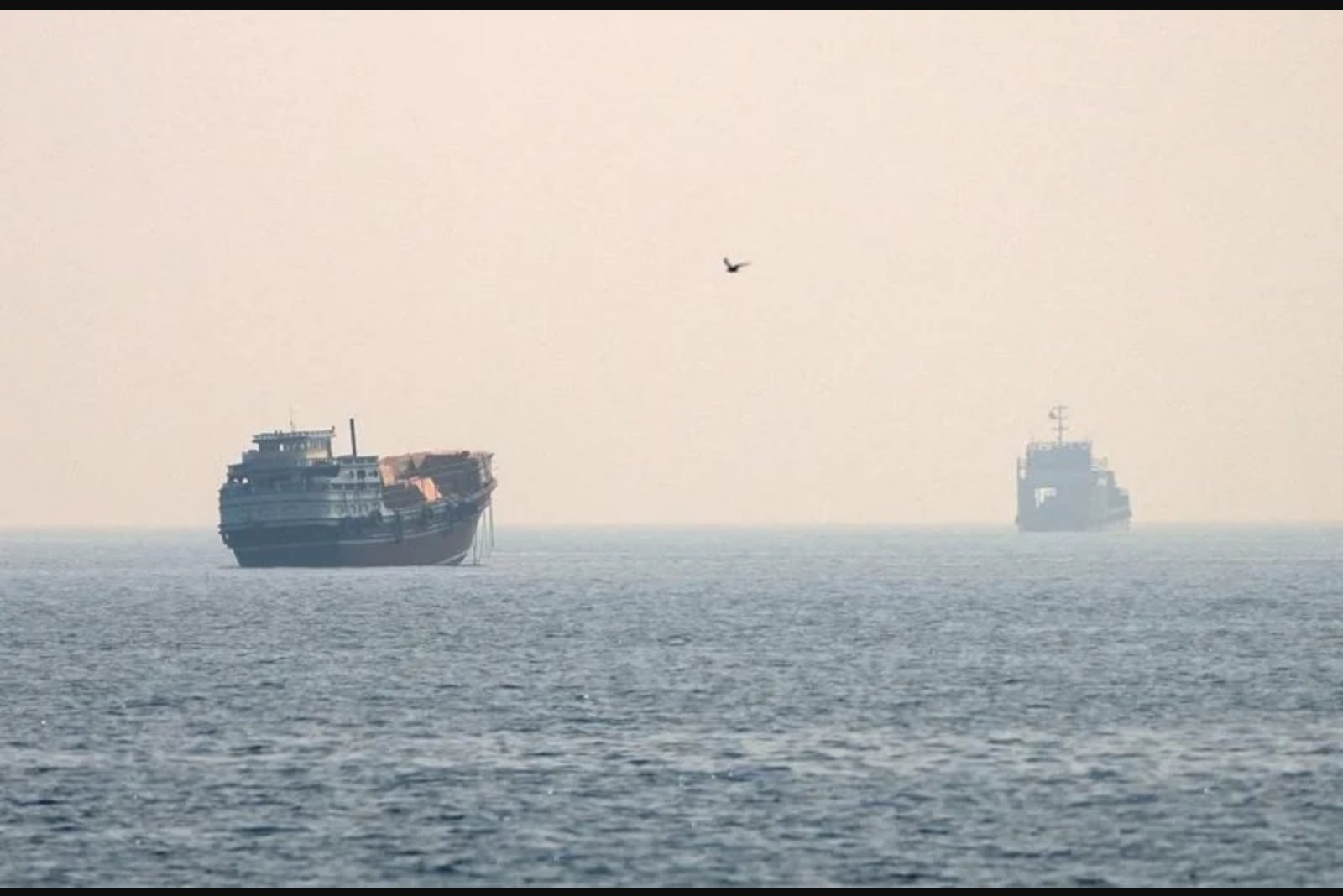
The immediate chain of events began after U.S. forces bombed Iranian targets in response to attacks on tankers in the Strait of Hormuz. Iran then targeted U.S. military sites in Bahrain and Kuwait, prompting Mr. Trump to order fresh strikes and to say the interim accord would no longer apply. That exchange occurred more than three weeks after a memorandum of understanding had been signed to begin a truce between the two nations.
The breakdown highlights the difficulty facing the administration in converting a preliminary memorandum into a comprehensive peace settlement and in finding a politically acceptable way to extricate U.S. forces from the conflict. Analysts and former negotiators quoted in reporting note that Mr. Trump faces few attractive choices; any significant escalation beyond limited strikes risks reopening full-scale war, while pulling back in the face of Iranian defiance could embolden Tehran’s ability to exert pressure over a key oil route.
Global markets reacted sharply to the developments, with oil prices rising roughly 7% after the latest hostilities. That market response underscores how instability in the Gulf quickly transmits into energy markets, with potential implications for domestic gasoline prices and broader economic sentiment ahead of the U.S. midterm elections.
Observers pointed to constrained diplomatic outcomes. Aaron David Miller, a former Middle East negotiator, said that Mr. Trump had effectively boxed himself in, arguing that whether pursued militarily or diplomatically the president appeared unlikely to extract substantial concessions from Iran. The White House did not immediately respond to requests for comment on the deteriorating situation.
Domestic political considerations are a central factor in the administration’s calculus. The president has been under pressure to end a war that has inflicted thousands of deaths and economic strain, and to blunt the decline in his approval ratings. A Reuters/Ipsos poll from June 23 showed Mr. Trump’s approval rating at 34%, returning to the lowest level of his second term and dimming Republican prospects for retaining control of Congress.
The memorandum of understanding, signed on June 17, set a 60-day window for negotiations. But the agreement deferred the thorniest issues to later talks and provided for on-again, off-again discussions. Analysts are skeptical that the parties can reach a comprehensive settlement within that timeline, and the latest exchange of strikes has diminished prospects that the preliminary pact will evolve into a final peace deal.
Iran has sustained significant economic and military damage during the conflict and has also seen one of its gains under the interim agreement reversed after the United States revoked a waiver that had allowed Tehran to sell oil internationally. Even so, Iran’s leadership appears prepared to absorb additional costs, and some analysts suggested that the recent strikes by both sides may have been intended to clarify negotiating positions for any future talks rather than to force a decisive outcome on the battlefield.
Jonathan Panikoff, a former deputy U.S. national intelligence officer for the Middle East, described the likely trajectory as neither a return to all-out war nor a definitive peace. Instead, he characterized the situation as "managed instability" - a pattern of recurring violence without a permanent diplomatic off-ramp.
At the heart of the dispute is how the preliminary deal addresses control of the Strait of Hormuz, through which roughly one-fifth of global oil shipments transit. Tehran appears to envision a continuing role in managing access to the waterway, possibly securing leverage such as fees or other arrangements. By contrast, Mr. Trump and U.S. Gulf partners are insisting on a restoration of free and safe passage.
Jon Alterman of the Center for Strategic and International Studies suggested Iran has calculated that the U.S. president does not wish to become entangled in an open-ended conflict, while Gulf Arab states are motivated to restore stability quickly. That dynamic, Mr. Alterman argued, gives Tehran room to test the limits of American resolve, anticipating that Washington might respond forcefully for a short period before allies push for de-escalation.
Political and economic pressures at home increase the stakes for the administration. High gasoline costs influenced by the conflict could hurt the Republican Party’s electoral prospects, and that domestic dimension is likely weighing on decision-makers. Laura Blumenfeld, a Middle East specialist at Johns Hopkins University, said Mr. Trump is mindful of this history and is focused on shielding the economy, citing his concern about replicating the political consequences of past economic mismanagement.
For now, the outlook remains uncertain. Most analysts see the recent exchanges as indicative of a protracted phase of managed confrontation - recurring military incidents and jockeying over leverage - rather than a definitive move to either a negotiated settlement or a full-scale war. The next rounds of diplomacy, the tenor of future strikes, and the degree to which allies press for stabilization will determine whether the situation evolves toward lasting peace or continues as episodic violence with significant market and political effects.
Summary
An interim memorandum intended to begin a truce between the U.S. and Iran has come under strain after renewed strikes by both sides. The episode has constrained President Trump’s options for a face-saving exit, driven oil prices higher, and amplified political pressures ahead of the U.S. midterm elections.
Key points
- Renewed strikes: Iran targeted U.S. military sites in Bahrain and Kuwait after U.S. strikes on Iranian targets in response to tanker attacks in the Strait of Hormuz, prompting new U.S. strikes and Mr. Trump’s declaration that the interim agreement was "over."
- Market impact: Global oil prices rose about 7% following the escalation, highlighting immediate exposure of energy markets to Gulf instability.
- Political pressure: Mr. Trump faces domestic political consequences, including a Reuters/Ipsos poll showing a 34% approval rating on June 23, which complicates his aim to end the war before the midterms.
Risks and uncertainties
- Escalation risk - Energy and defense sectors: Any heavy escalation beyond reciprocal strikes could risk a return to full-scale war, with broader consequences for oil markets and defense spending.
- Diplomatic impasse - Political and trade sectors: The memorandum deferred core issues and the 60-day negotiation window may be insufficient, leaving outcomes uncertain and potentially prolonging instability that affects trade flows.
- Economic pressure - Consumer and financial sectors: Rising oil prices and potential disruptions to shipping through the Strait of Hormuz could drive higher gasoline costs and wider economic knock-on effects, adding domestic political strain.