
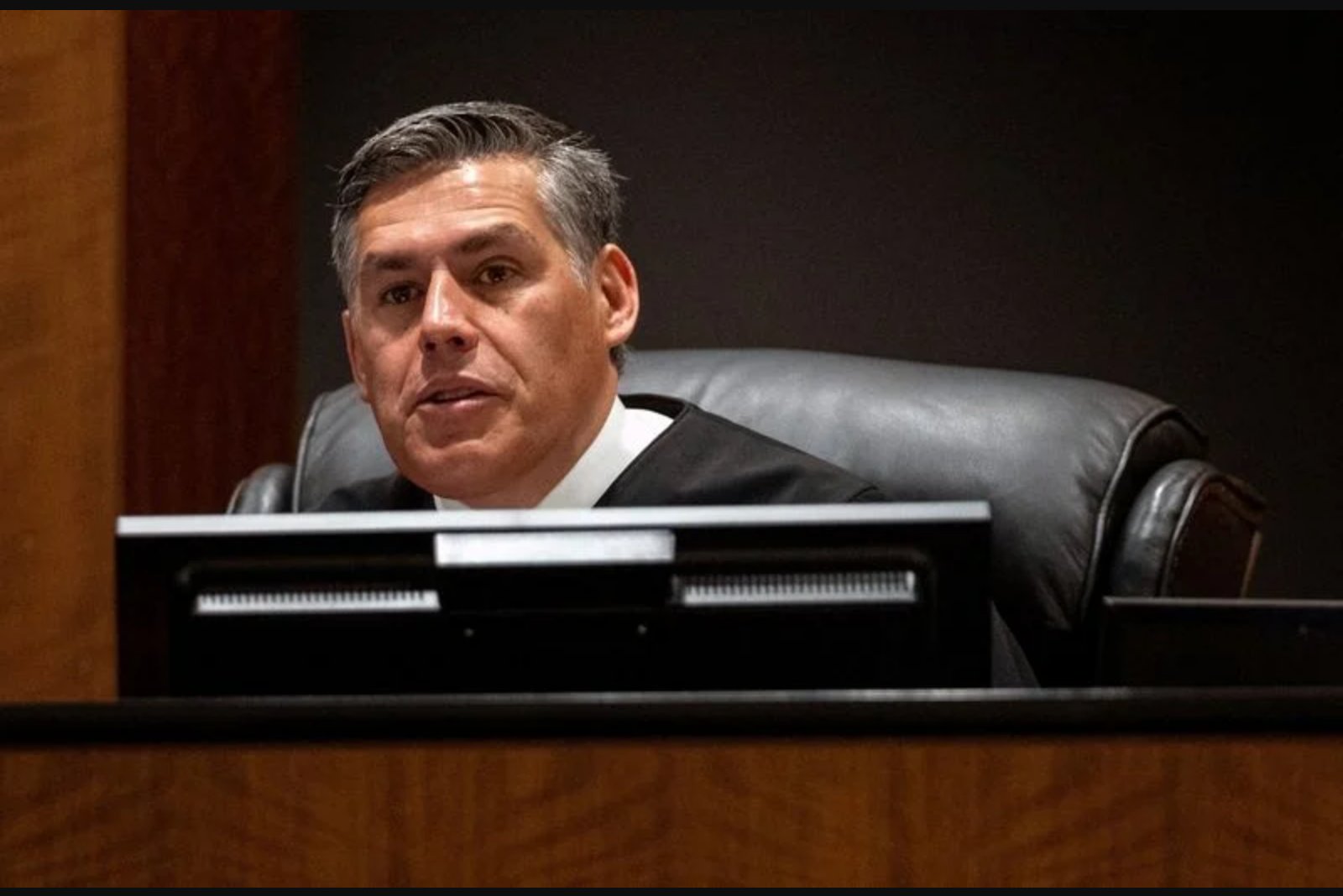
A Utah judge on Wednesday directed prosecutors to remove specific segments from a recorded interview with the roommate of the man charged in the killing of Charlie Kirk, concluding parts of the tape could be presented in a way that would unfairly prejudice the defendant. At the same time, the judge said he would consider the full interview in determining whether the prosecution has met the legal threshold to pursue trial.
District Court Judge Tony Graf ordered the cuts after defense counsel argued that prosecutors intended to characterize portions of the recording as "confessions," a tactic the defense said risked denying the defendant a fair trial. The defendant, Tyler Robinson, 23, is charged on seven counts, including aggravated murder, and prosecutors have said they will seek the death penalty.
Prosecutors allege Robinson shot Charlie Kirk, 31, as Kirk -- a prominent ally of President Donald Trump -- debated with students at Utah Valley University on September 10, 2025. Investigators contend the shooting took place in front of thousands of people. The courtroom ruling addressing the interview with Lance Twiggs came on the third day of a preliminary hearing in Provo, Utah. Twiggs has not been charged in the case.
Prosecutor Lauren Hunt told the court that Twiggs had agreed on April 20 to submit to an interview with police and prosecutors rather than testify during the preliminary hearing. Robinson's attorney, Richard Novak, sought unsuccessfully to have the recording shown in a closed hearing, arguing that its public display could taint potential jurors and infringe on Robinson's constitutional rights.
"We are very concerned that the publication of what the state will call confessions at trial violates Mr Robinson’s due process rights," Novak said in court.
Erika Kirk, the widow of Charlie Kirk, was present in the courtroom for a third straight day. Her attorney, Jeffrey Neiman, urged that the interview be played in full for the public, warning that withholding the footage could erode confidence in the judicial process.
"To not be transparent here, to not be open, to not let the world see what happened will create doubt and distrust in the judicial system," Neiman told the judge.
Prosecutor Hunt said the prosecution team would make the edits Judge Graf requested and intended to play the redacted version of the interview in court on Thursday. Graf indicated he did not expect to make an immediate ruling this week on whether the case should proceed to trial, saying, "After this hearing I’ll review everything again."
The hearing was set to continue throughout the week and represents the first public presentation of the prosecution's evidence related to Kirk's killing. The case has drawn attention as part of a broader pattern of violent attacks that have heightened concern over political violence in the United States.
Robinson, who was studying to become an electrician at the time of the shooting, has not yet entered a plea. During proceedings this week, his defense attorneys have suggested law enforcement failed to pursue lines of inquiry that might show someone else was involved in the killing.
Prosecutors have announced plans to offer as evidence a series of text messages exchanged between Robinson and Twiggs, as well as messages taken from a Discord group chat. Portions of that material have already been released in public court filings. Robinson's defense team argued that televising or widely publishing such material could present a grave risk to Robinson's constitutional protections.
According to prosecutors, in alleged text messages sent after the shooting Twiggs asked Robinson whether he had shot Kirk, and Robinson replied that he had. When asked in the messages why he had done it, Robinson allegedly wrote back, "I had enough of his hatred. Some hate can’t be negotiated out," language that prosecutors say points to a politically motivated targeting of Kirk because of his conservative views.
The defense disputes the prosecution's interpretation of the messages and has sought to limit evidence suggesting a political motive, arguing it could be used by prosecutors in arguments supporting the death penalty.
Context and next steps: Judge Graf will re-review the materials presented at the hearing before deciding whether there is sufficient cause to bind Robinson over for trial. The redacted roommate interview is scheduled to be played in court following the judge's direction to prosecutors. The hearing will continue through the week as both sides present legal arguments over the admissibility and public display of evidence.