
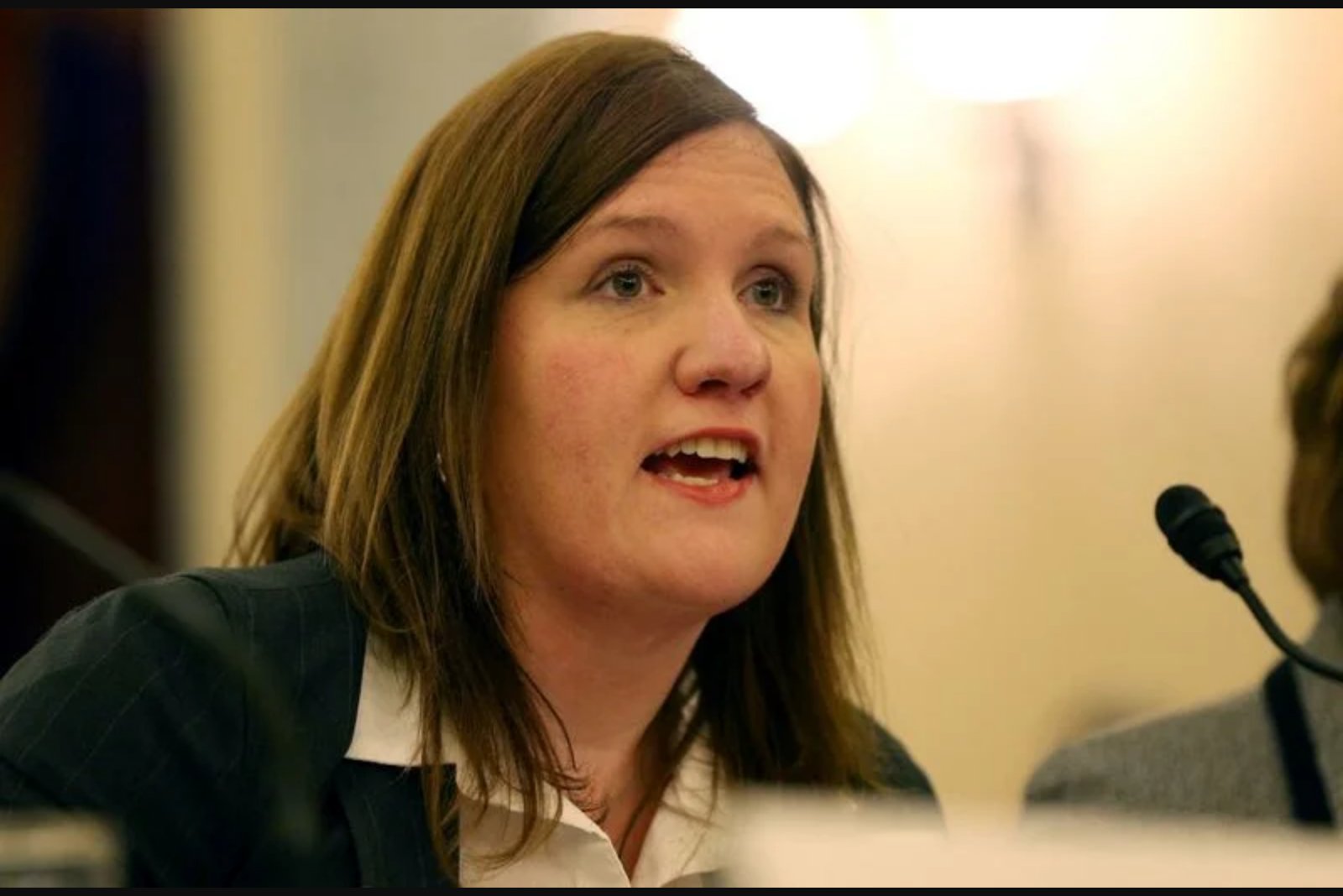
The Supreme Court on Monday sided with President Trump in a dispute over his dismissal of a Democratic member of the Federal Trade Commission, effectively broadening the president’s authority over an agency long insulated from White House control. The justices reversed a lower court decision that had prevented the removal last year of Rebecca Slaughter, who was removed over policy disagreements with the administration.
At issue in the litigation was a 1914 statute that permits the president to remove FTC commissioners only for defined causes - including inefficiency, neglect of duty or malfeasance in office - and specifically not for policy disagreements. That statutory protection, historically reinforced by the Supreme Court’s 1935 decision in Humphrey’s Executor v. United States, was the basis for the lower court’s injunction against the firing.
Similar for-cause removal safeguards apply to officials at more than two dozen independent agencies, with examples cited including the National Labor Relations Board and the Merit Systems Protection Board. Those protections have been a central feature of the design of multi-member, expert agencies intended to operate with a degree of independence from presidential direction.
Rebecca Slaughter was a Biden appointee serving as one of two Democratic commissioners whom President Trump moved to remove from the consumer protection and antitrust agency in March 2025. Her term was scheduled to extend through 2029. Democratic senators and antitrust advocacy groups expressed concern that the firings were aimed at curtailing the agency’s oversight of large corporations.
Following the March 2025 removals, U.S. District Judge Loren AliKhan in July 2025 issued an order blocking the president’s action, rejecting the administration’s contention that the century-old tenure protections unconstitutionally limited presidential authority. The U.S. Court of Appeals for the District of Columbia Circuit maintained that injunction the following month in a 2-1 decision.
In September, the Supreme Court allowed Slaughter’s removal to take effect while it agreed to hear the constitutional questions raised by the case; three of the Court’s liberal justices registered their dissent from that interim action. The lower courts had concluded that the statutory protections for FTC members were consistent with the Constitution in light of the Humphrey’s Executor precedent.
Humphrey’s Executor rejected an earlier effort by Democratic President Franklin Roosevelt to remove an FTC official for policy reasons, with the high court in 1935 explaining that Congress could limit presidential removal authority because the FTC performed functions more akin to legislative and judicial duties than to those belonging exclusively to the executive branch.
The Trump administration countered that the FTC’s portfolio and authority have evolved in the decades since Humphrey’s Executor, and that the agency now exercises significant executive power that weakens the relevance of the 1935 decision. Justice Department lawyers advancing the administration’s view embraced the unitary executive theory, a conservative legal doctrine that frames the president as holding sole control over the executive branch and therefore able to remove heads of independent agencies at will despite congressional protections.
The constitutional framework at issue rests on the separation of powers among the federal government’s executive, legislative and judicial branches. The Supreme Court in recent years has narrowed the scope of Humphrey’s Executor, while stopping short of entirely overturning the precedent. In a 2020 decision, the Court acknowledged that Article II gives the president a general removal power over agency heads but recognized an exception permitting for-cause protections for certain multi-member, expertise-driven agencies.
During December oral arguments in the present case, justices on the Court’s liberal wing warned that granting the president broad removal authority over federal agencies that regulate critical aspects of American life and commerce - including finance, air traffic safety and labor relations - would undercut Congressional decisions to entrust those matters to nonpartisan experts operating in independent agencies.
The Supreme Court’s latest ruling alters the legal landscape governing the independence of multi-member regulatory bodies, affirming presidential authority in this instance while leaving open broader questions about the future scope of for-cause protections across the federal administrative state.