
Stock Markets June 10, 2026 08:16 AM

Piper Sandler Says Tesla Has Reached Level 4 Autonomy in Most Conditions

Analyst cites insurance moves, Cybercab production, subscription disclosures and expanded robotaxi footprint as proof points

By Hana Yamamoto
Share
Twitter Reddit Facebook LinkedIn
TSLA

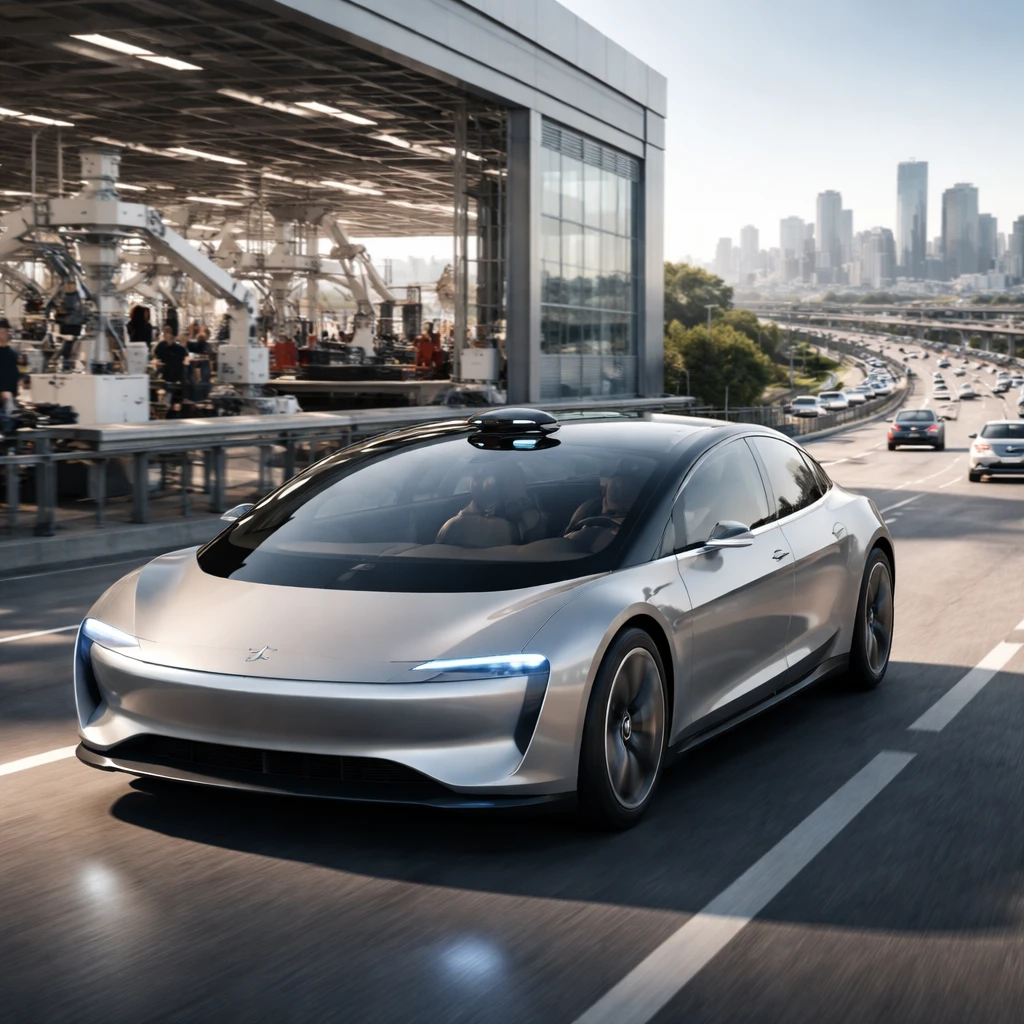
Piper Sandler analyst Alexander Potter told clients that Tesla has effectively achieved Level 4 autonomy across most driving conditions. He presented several pieces of evidence - including insurance discounts tied to Full Self-Driving (FSD), ramped Cybercab production, a significant capital outlay for a dedicated production line, the first public disclosure of FSD subscription metrics in Q1 2026, and an expanding robotaxi footprint - to support the conclusion that Tesla has "solved the self driving puzzle." Potter also noted personal, first-hand experience with the system.

Piper Sandler Says Tesla Has Reached Level 4 Autonomy in Most Conditions
TSLA
Summarize with
ChatGPT Perplexity Claude Grok Gemini

Key Points

  • Piper Sandler maintains an Overweight rating on Tesla, concluding the company has "solved the self driving puzzle." Sectors impacted: Automotive, Mobility Services.
  • Evidence cited includes insurance discounts for FSD-enabled policies, the start of volume Cybercab production, and Tesla’s disclosure of FSD subscription data in Q1 2026. Sectors impacted: Insurance, Automotive, Technology.
  • Tesla’s robotaxi footprint now covers the entire Austin metro area including interstates, with seven additional city launches targeted by the first half of 2026. Sectors impacted: Transportation, Urban Mobility.

Piper Sandler analyst Alexander Potter argued in a client note on Wednesday that Tesla has attained what he characterizes as Level 4 autonomy in most conditions. Potter listed multiple indicators to back the claim, saying the company has effectively "solved the self driving puzzle" despite ongoing skepticism among some clients and investors.

Potter acknowledged common counterpoints raised during client conversations. He noted that Waymo’s larger robotaxi deployment totals are often cited as a reason for doubting Tesla’s readiness, and he highlighted the absence of a single, universally accepted safety dataset that would make cross-company comparisons straightforward.

Still, Piper Sandler left its Overweight rating on Tesla intact and set out several concrete signals that it views as evidence of operational and commercial readiness for broader FSD use.

Insurance discounts and subscriptions - Potter emphasized Tesla’s decision to provide insurance discounts for policies enabled by FSD as a meaningful indicator of internal confidence in the system’s reliability. The analyst also pointed to Tesla’s first-time disclosure of FSD subscription data in the first quarter of 2026, which Piper Sandler interpreted to mean that "FSD is ready for dissemination beyond early adopters."

Cybercab production and capital commitment - Volume production of Cybercabs, vehicles built without steering wheels or pedals, began in April. Potter reported that hundreds of these units are being produced weekly and that the dedicated production line could represent an investment of "several hundred million USD (if not $1B+)." He argued that the scale of capital deployment itself signals management’s belief in FSD readiness.

Geographic expansion of robotaxi operations - The analyst noted Tesla’s growing robotaxi footprint, which now covers the entire Austin metropolitan area including interstate routes. He added that Tesla is targeting launches in seven additional cities by the first half of 2026.

Potter also referenced personal experience, writing that his Tesla drove him from Missoula to Minneapolis in April and remarking, "There’s no substitute for personal experience."

While Potter’s view remains contested among market participants who point to deployment metrics and dataset limitations, Piper Sandler’s assessment treats the combination of insurance actions, production scale, subscription disclosure, and geographic expansion as collectively persuasive evidence of near-term, wide-scale FSD readiness.


Bottom line: Piper Sandler continues to rate Tesla Overweight, arguing multiple operational and commercial moves indicate the company has reached Level 4 autonomy in most conditions, though external comparisons and data standardization remain points of debate.

Risks

  • Comparisons to competitors such as Waymo, which has larger robotaxi deployment numbers, are frequently raised by clients as a reason to question Tesla’s readiness. This affects the Automotive and Mobility Services sectors.
  • A lack of universally accepted, comparable safety datasets creates uncertainty about relative safety performance and makes cross-company benchmarking difficult. This uncertainty impacts regulators, insurers, and investors in Automotive and Insurance sectors.
  • Persistent skepticism from some clients and investors could influence adoption and market perceptions despite the company’s capital commitments and disclosures. This has implications for investor sentiment in the Automotive and Technology sectors.

More from Stock Markets

Gulf Sovereign Funds Rally Behind SpaceX IPO With Multi-Billion Dollar Orders Jun 10, 2026 Insider Transactions: Hotel REIT CEO Adds to Stake; Several Executives Buy and Sell Shares Jun 10, 2026 Core AI Holdings Shares Plunge After $5.4 Million Registered Direct Offering Announcement Jun 10, 2026 Bosch Sticks to Annual Targets as CEO Flags External Risks and Restructuring Jun 10, 2026 CervoMed Announces $10.5M Private Placement; Shares Drop Nearly 15% in Premarket Trading Jun 10, 2026