
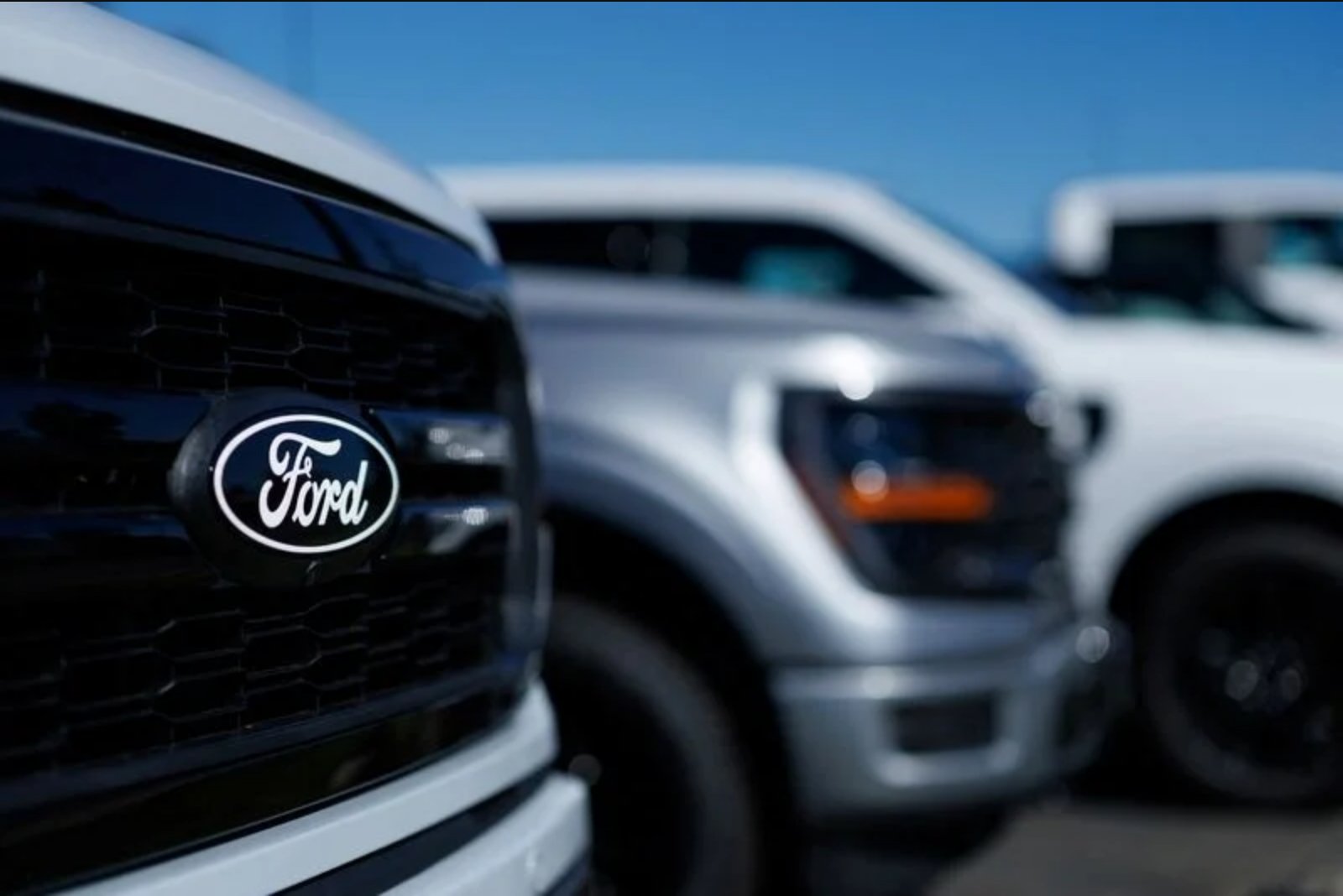
Novelis announced the restart of the hot mill at its Oswego, New York facility, restoring output at a site that plays a key role in supplying aluminum for Ford's F-150 pickup truck series. The company said production resumed on Wednesday, months after two separate fires had shut the plant.
Company officials said they are working closely with customers to ramp supply back up. While Novelis provides aluminum to multiple automakers, including Stellantis and General Motors, Ford is a particularly large consumer because its flagship F-series trucks largely use aluminum body panels.
The shutdown of the Oswego plant had contributed to supply bottlenecks across the industry. Those disruptions were cited by Ford when the automaker trimmed its 2025 profit forecast and set aside a potential charge of up to $2 billion related to the production interruptions.
Novelis' chief executive, Steve Fisher, commented on the restart, saying, "Restarting the Oswego hot mill is an important step forward for our operations and, most importantly, for our customers." The remark accompanied the company's confirmation that production had resumed.
During the period when the New York mill was offline, Novelis relied on output from other plants in South Korea and Europe to help fill demand and sustain aluminum supply. That redeployment of production capacity was part of the company's response while Oswego remained shut.
Novelis' parent, Hindalco Industries, quantified some of the financial impact tied to the outages. In May, Hindalco said the disruption cost the company roughly $437 million in the fourth-quarter. Those costs reflect the operational and supply adjustments while the Oswego facility was out of service.
Automakers and markets tracking the situation have been attentive to the plant's status because of the role Oswego plays in supplying material for high-volume truck models. Novelis said the restart is intended to support a steady ramp-up of supply in coordination with affected customers.
Contextual note: The reporting here is limited to the company's statements about the restart, prior public comments from Ford about its forecast and charge, and Hindalco's disclosure of costs tied to the disruption.