
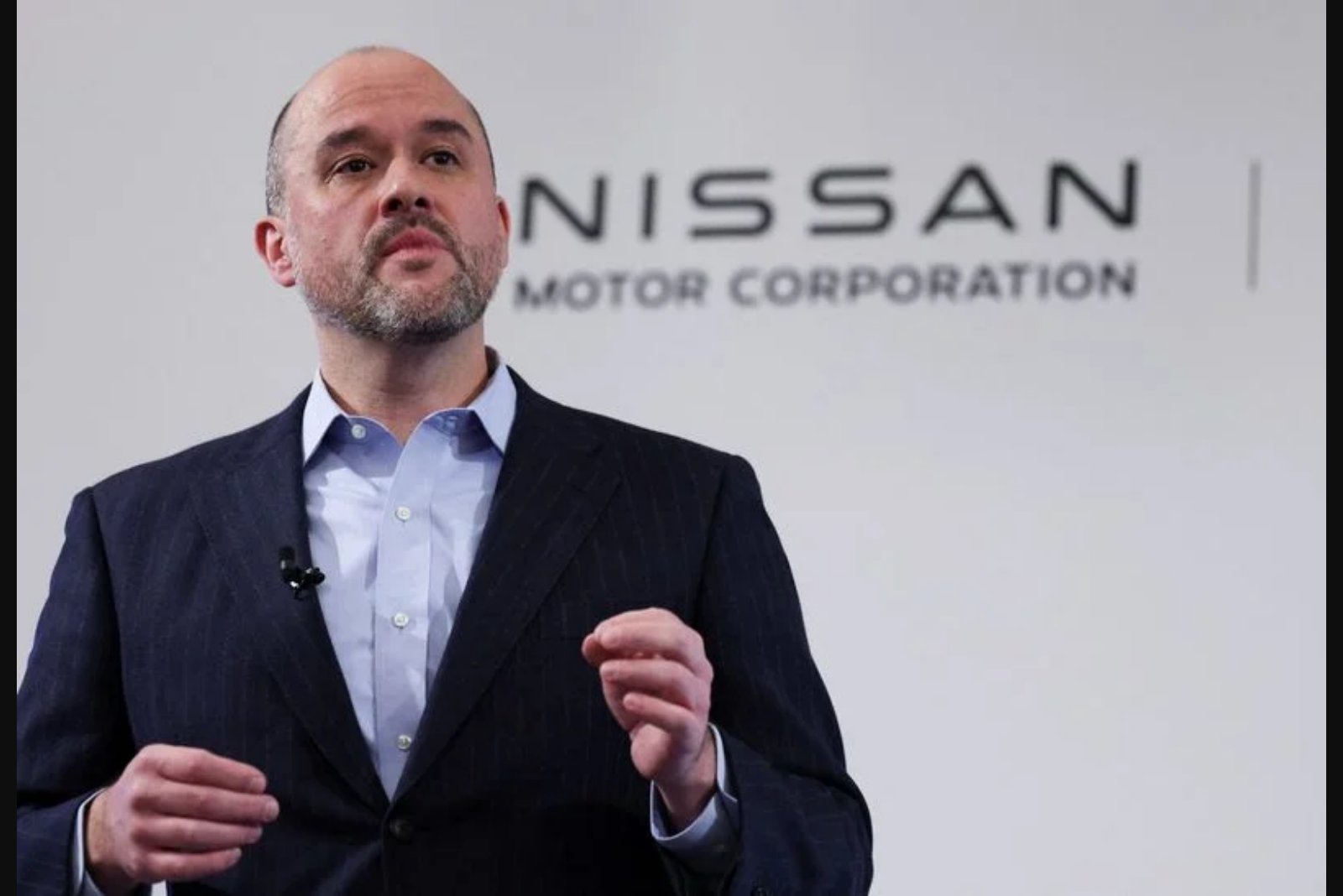
Nissan's chief executive, Ivan Espinosa, welcomed news that second-quarter U.S. vehicle sales rose slightly, but he cautioned that the brand still faces a substantial task regaining lost footing in the American market. Espinosa, who became CEO in April 2025, has made the United States central to his turnaround agenda.
U.S. market share for Nissan currently sits just above 6%, a marked decline from roughly 9% about a decade ago, according to figures cited by company officials. Espinosa, a 47-year-old Mexican national, has been forthright in attributing part of that decline to past strategies that prioritized volume over other considerations.
"Before, it was like, okay, we want volume, volume, volume. This is not a good way of operating a car company," Espinosa said, characterizing previous efforts to expand sales as having produced quality and brand-image issues. He told Reuters he would prefer to largely "stay away" from selling heavily to rental-car firms, an approach he sees as having cheapened Nissan's image while also depressing resale values for owner-operators.
Espinosa's stated focus now is on achieving healthier, sustainable sales growth rather than chasing volume through steep discounts and fleet deals. He pointed to improvements in vehicle quality as part of that effort, noting Nissan's recent strong placement in a widely observed JD Power survey of new vehicle owners.
The company expects a wave of new models to play a role in its U.S. rebound. Among the early offerings will be a hybrid variant of the Rogue compact SUV, Nissan's best-selling model in the U.S., which is slated to reach showrooms late this year. Espinosa acknowledged that Nissan missed a chance to attract some buyers earlier in the hybrid transition and said the firm will try to correct that as hybrids gain in popularity amid higher fuel prices tied to geopolitical developments in the region.
Beyond electrified versions of existing models, Nissan plans to expand its lineup with tougher, truck-frame SUVs, including the return of the Xterra nameplate, which was previously sold in the U.S. from the 1990s through the mid-2010s. These vehicles are intended to broaden Nissan's appeal where consumer demand favors more rugged, utility-oriented designs.
Those product moves are part of a wider restructuring designed to improve profitability. Nissan is trimming its global manufacturing footprint and intends to reduce its workforce by 15% as a means of controlling costs. The company also is actively exploring strategic partnerships to accelerate technology development after a proposed merger with Honda did not proceed.
At the dealer level there is cautious optimism. Harry Criswell, who owns a Nissan dealership in the Washington, D.C. area, said dealers believe Espinosa's background in product planning could help deliver compelling vehicles that restore consumer interest. "It will work if he can come out with must-have products," Criswell said.
Context for investors and markets
For market participants, the plan ties product strategy to cost discipline. A shift away from deep discounts and large rental-fleet sales could support resale values, which affect used-car market dynamics, dealer profitability and residuals used by lenders and lessors. Product launches such as a Rogue hybrid and rugged SUV entries are being positioned to capture share among buyers prioritizing fuel efficiency and off-road capability.
Espinosa's emphasis on partnerships for technology development and a smaller production footprint signals a push to preserve capital while modernizing Nissan's lineup. The company is balancing near-term sales objectives with longer-term brand and margin rehabilitation.