
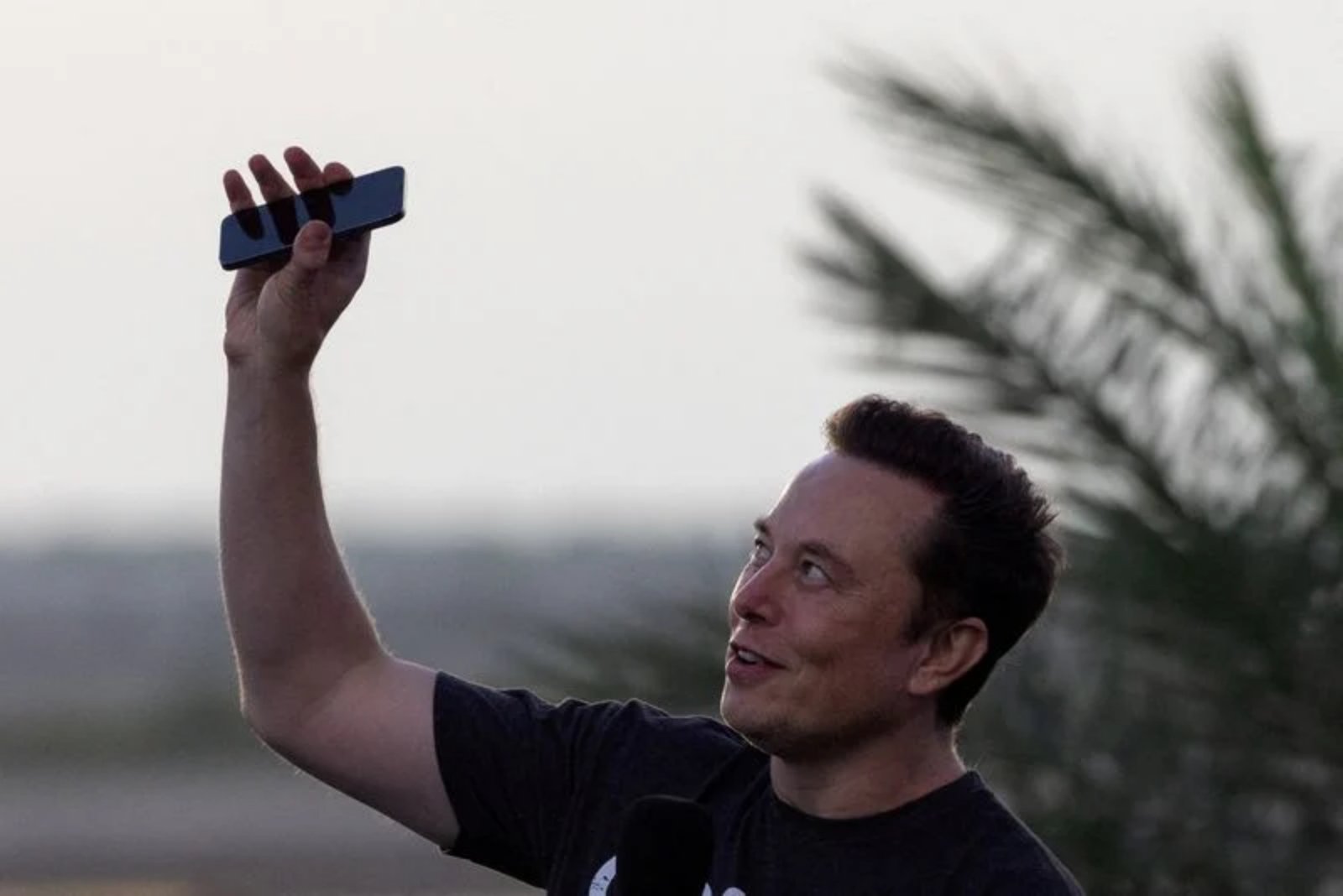
Elon Musk on Wednesday dismissed a published account that SpaceX had presented investors and other stakeholders with a prototype of a handset designed around artificial intelligence capabilities. Posting on X, Musk offered a terse rebuttal, saying the report was "Utterly false," and provided no further detail.
The report in question had described the prototype as handset-like, running a proprietary operating system, incorporating AI technology developed by xAI and relying on Qualcomm Snapdragon chips for processing. According to that account, SpaceX had cautioned some investors that the project remained at an early stage - its design evolving and with no certainty the device would ever be produced.
Those descriptions sit alongside a wider picture of SpaceX's strategic spending. The company has invested billions to broaden its business beyond rocket launches and its Starlink satellite internet service, directing capital into AI infrastructure, supporting xAI’s Grok large language model, and pursuing space-based computing efforts as part of a push to play a central role in AI development.
Requests for comment to SpaceX and Qualcomm were not immediately answered, according to the report. Earlier reporting in February indicated SpaceX had plans to develop a mobile device that would connect to its Starlink constellation and had the potential to rival existing smartphones.
Musk himself has previously spoken about the concept. In January he said a Starlink phone was "not out of the question at some point," adding that any such device would be very different from current phones. Those remarks left open possibilities but did not confirm an active consumer product.
The discussion around a potential AI handset occurs as other technology firms explore wearable and always-connected AI devices. Last month Microsoft revealed a prototype AI-powered badge for workers that uses Qualcomm wearable chips and combines AI agents, voice, a touchscreen and a camera to assist users with tasks.
The published account and Musk's denial together highlight an unresolved set of claims: that SpaceX showed a handset prototype to some stakeholders; that the device would leverage xAI software and Qualcomm Snapdragon processors; and that the project was described internally as early-stage with an uncertain future.
Contextual note: The competing reports - the published description of a prototype and Musk's immediate denial - leave the status of any handset effort unclear. Public statements from the companies named were not available at the time of reporting.