
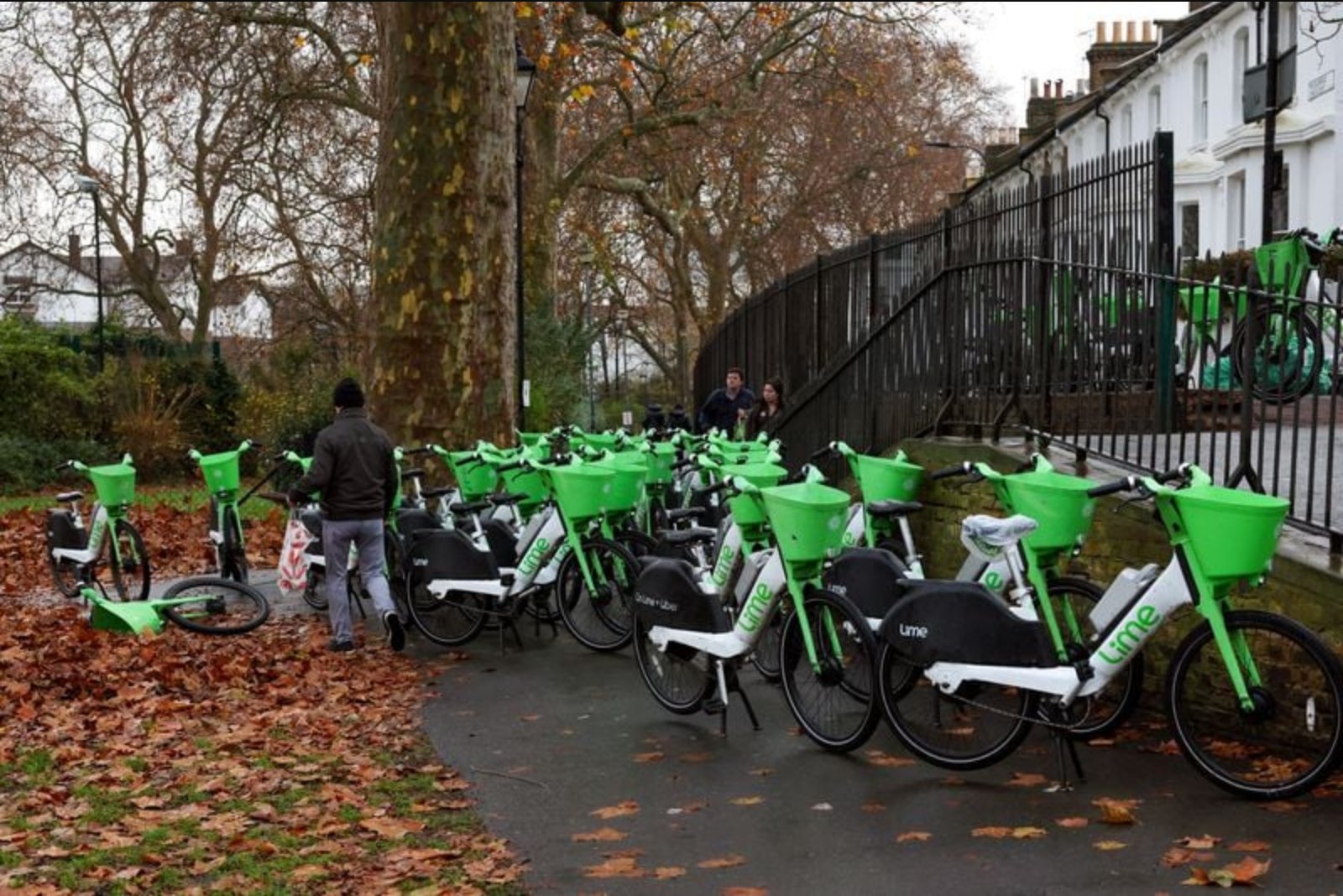
Lime, the San Francisco-based operator of shared electric scooters and bikes that counts Uber as a major backer, saw its stock rise about 8% when it made its debut on the Nasdaq. The company priced its U.S. initial public offering at $25 per share and opened trading at $27, reflecting investor demand at the market open and valuing the business at roughly $1.73 billion.
The public offering produced $167 million in proceeds for Lime, while sales by the company together with existing stockholders amounted to approximately 7 million shares and generated $174 million in total. Founded in 2017, Lime operates short-term rentals of electric bikes and scooters in more than 230 cities worldwide.
Financial snapshot and recent results
In its most recent full year, Lime reported a net loss of $59.3 million on revenue of $886.7 million for 2025, and the company disclosed in its prospectus that it has not yet achieved a net profit. Those figures highlight the operating economics Lime is managing as it scales shared micromobility services across multiple urban markets.
The company’s path to the public markets has been long and uneven. Media reports cited in prior coverage noted that Lime’s valuation fell from $2.4 billion in 2019 to about $510 million in 2020 amid the pandemic-driven downturn for the sector. Since then, several competitors have exited or consolidated: former rival Bird filed for bankruptcy protection, while operators such as Tier and Dott merged to reduce costs and pursue scale.
Industry dynamics and market context
Shared e-bikes and scooters have grown in popularity among commuters in dense urban areas because of their relatively low cost and convenience for short trips. Lime’s business model leans on partnerships for distribution and demand - notably its integration with Uber’s ride-hailing app, which lists Lime scooters as a transport option and supplies a meaningful portion of Lime’s revenue through that relationship.
Lime’s listing arrives at a time of revived interest in new issuers in the United States, following a period of volatility that prompted some companies to delay listings. The U.S. IPO market gained momentum in 2026, with a string of high-profile offerings drawing investor attention, including a record-setting listing noted at a substantial valuation.
What this means for markets and stakeholders
The debut underscores investor willingness to engage with micromobility businesses despite ongoing challenges around unit economics, regulatory compliance and high operating costs. Lime is among the surviving standalone operators that navigated a post-pandemic industry shakeout and returned to the public markets.
Investors and market participants will be watching Lime’s ability to convert revenue growth into sustained profitability while operating across fragmented municipal regulatory environments.