
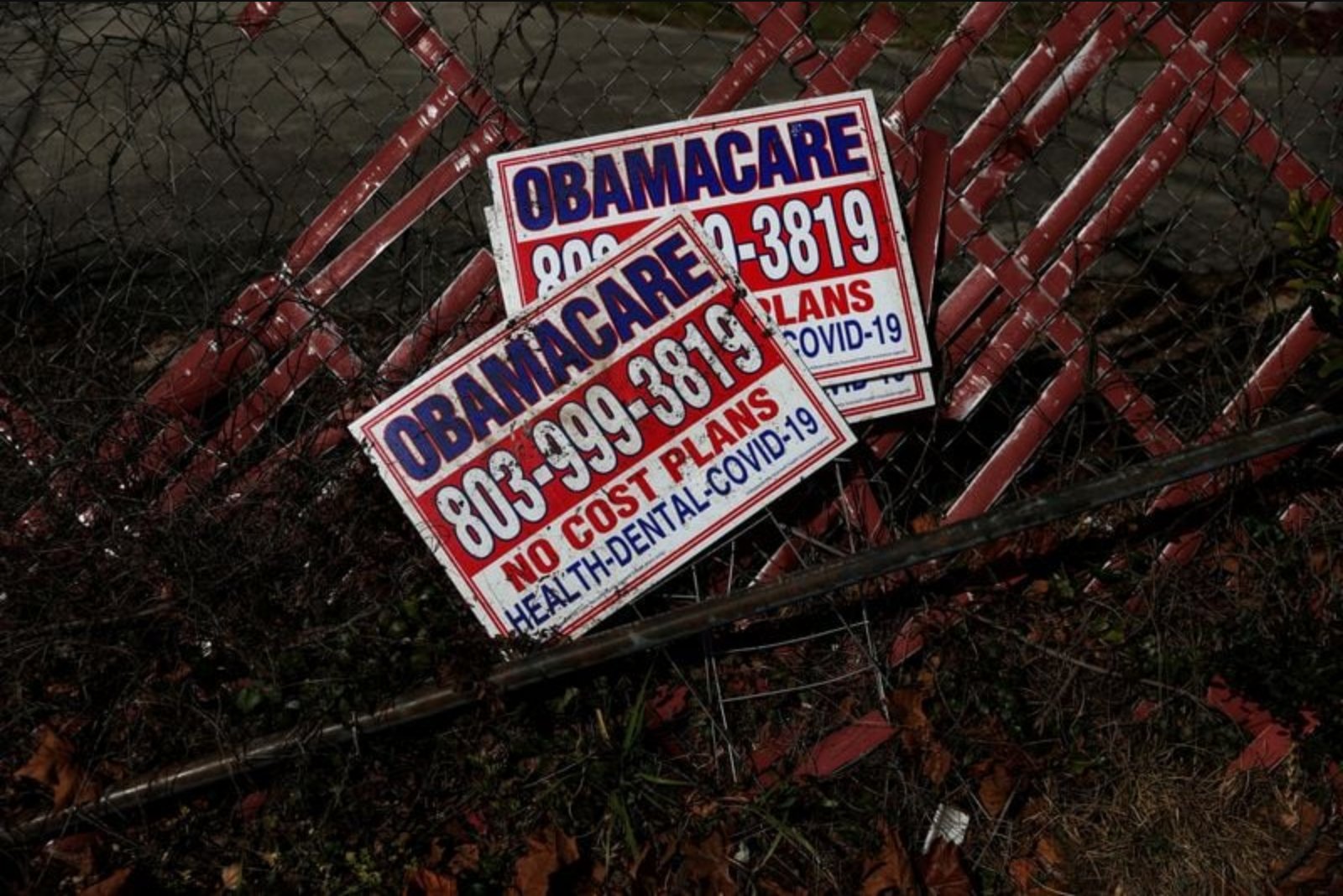
Health insurers offering plans on the Affordable Care Act marketplace have asked regulators for what KFF describes as a median 14% increase in premiums for 2027 compared with 2026 levels. That proposed rise is the second-largest requested jump since 2018, according to the health policy research group's analysis.
Companies must finalize and submit their rate filings by July 15, laying out expected claims costs and the price changes they plan to implement for next year. KFF compiled its projection by reviewing filings from 77 insurers operating across 16 states and Washington, D.C.
Between 2025 and 2027, the latest proposed increases put cumulative premium growth on track to exceed 33%, KFF's review shows.
Insurers point to several specific pressures behind the rate requests. A growing share of enrollees with higher medical needs is a primary factor: carriers said the shift toward a sicker risk pool will add roughly 4% to premiums next year as healthier consumers continue to leave coverage in 2027. Broader economic inflation, higher prescription drug costs and greater consolidation among medical providers were also cited as upward pressures on plan prices.
The filings follow a steep reduction in enrollment after pandemic-era support ended. Marketplace enrollment fell about 13% in 2026 from 22.1 million in 2025 after temporary extra subsidies expired. The Department of Health and Human Services now estimates total enrollment at 19.2 million Americans in the ACA plans.
KFF data indicate that with the rollback of those additional subsidies, average premiums rose 58% in 2026 and deductibles increased by roughly $1,000 per person.
Major insurers active in the marketplace have publicly flagged rising medical costs within their ACA books. Centene and UnitedHealth specifically noted elevated medical costs in their marketplace operations this year. CVS Health previously announced that its Aetna unit would exit offering ACA plans in 2026, attributing that decision to anticipated higher costs in that line of business.
Most marketplace enrollees who earn less than 400% of the federal poverty level continue to qualify for subsidies that offset premiums. Nonetheless, insurers say the overall mix of enrollees and the standalone cost pressures on care are driving their requested rate increases.
Summary
Insurers seeking a median 14% premium increase for 2027 cite a shift toward sicker enrollees, inflation, drug costs and provider consolidation as key reasons. Filings from 77 insurers across 16 states and Washington, D.C. underpin KFF's assessment. Regulators are due to receive final rate proposals by July 15.
Key Points
- Median requested premium increase for 2027 is 14%, KFF finds; this is the second-highest since 2018.
- KFF analyzed filings from 77 insurers in 16 states plus Washington, D.C.; premiums are on track to rise more than 33% from 2025 to 2027 based on proposed rates.
- Sectors affected include health insurers, prescription drug suppliers and healthcare providers due to cost pressures and consolidation.
Risks and Uncertainties
- Higher-cost enrollee mix: A greater share of sicker patients could further raise premiums or claims costs, affecting insurer profitability and insurer pricing strategies - mainly impacting insurers and healthcare payers.
- Cost trends: Ongoing inflation, rising medication costs and provider consolidation may continue to push premiums and out-of-pocket costs higher - affecting patients, insurers and healthcare providers.
- Enrollment declines: Continued loss of healthier enrollees could concentrate risk and increase per-enrollee costs, with implications for marketplace stability and insurer participation.