
World July 8, 2026 06:10 AM

U.S. Defense Secretary Calls Off Netanyahu Meeting Amid F-35 Sale Concerns

Planned discussions on a potential F-35 transfer to Turkey were cancelled as regional and political sensitivities loom

By Sofia Navarro
Share
Twitter Reddit Facebook LinkedIn

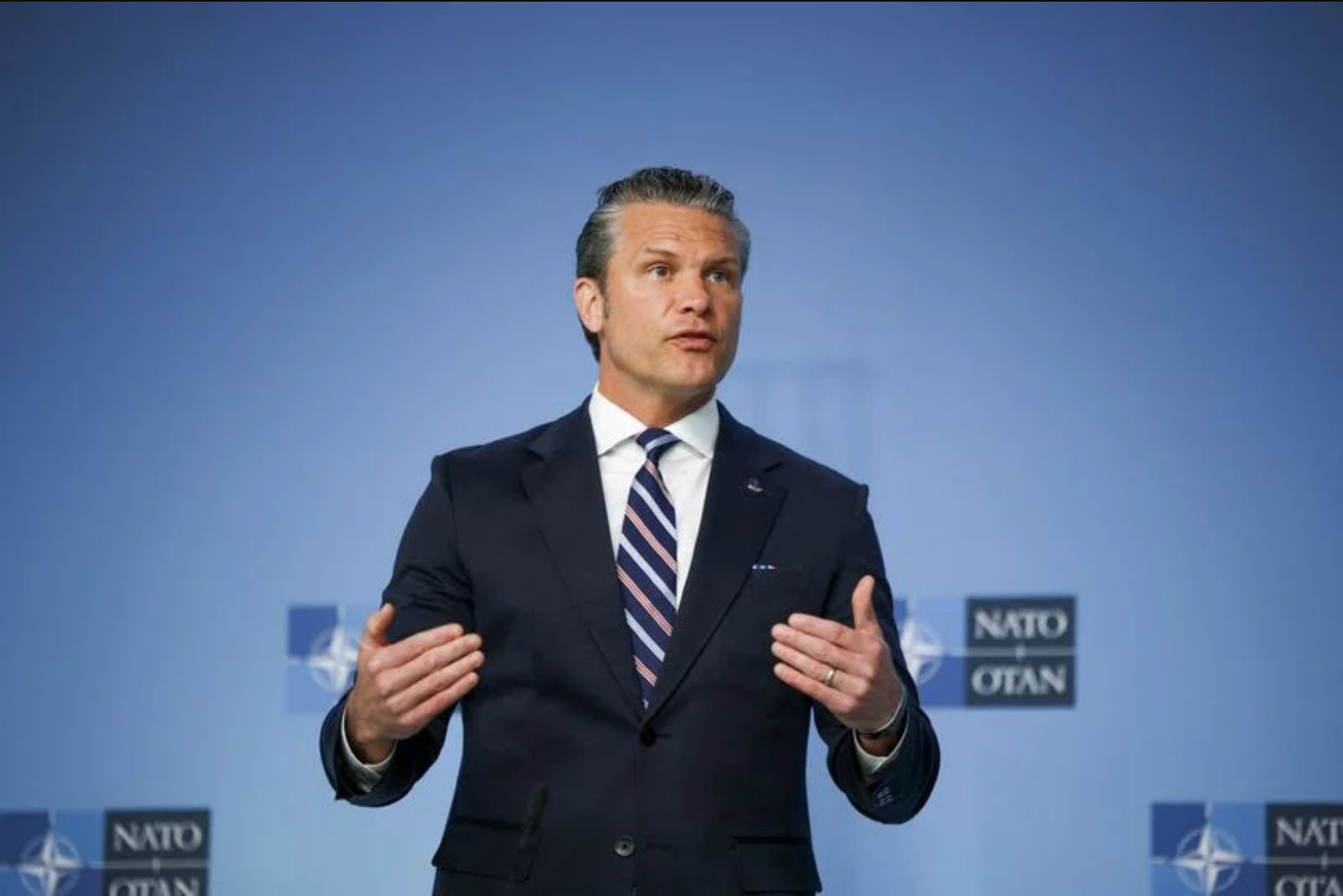
U.S. Secretary of Defense Pete Hegseth cancelled a scheduled Wednesday meeting with Israeli Prime Minister Benjamin Netanyahu to discuss a possible sale of F-35 fighter jets to Turkey, an Israeli source said. The same source said Hegseth had also been due to meet Israel’s defense minister and that Iran would figure in talks. The possible sale has drawn opposition from Israel and faces political hurdles in the United States.

U.S. Defense Secretary Calls Off Netanyahu Meeting Amid F-35 Sale Concerns
Summarize with
ChatGPT Perplexity Claude Grok Gemini

Key Points

  • U.S. Secretary of Defense Pete Hegseth cancelled a Wednesday meeting with Israeli Prime Minister Benjamin Netanyahu that was to cover a possible sale of F-35s to Turkey; Hegseth was also due to meet Defense Minister Israel Katz and discuss Iran.
  • Prime Minister Netanyahu has publicly opposed an F-35 sale to Turkey, arguing it would alter the regional balance of power; Washington signalled willingness to sell the jets while also lifting sanctions linked to Turkey's 2019 S-400 purchase.
  • The proposed sale faces legal and political hurdles - it is likely to encounter strong resistance in the U.S. Congress and remains blocked under U.S. law.

A planned meeting between U.S. Secretary of Defense Pete Hegseth and Israeli Prime Minister Benjamin Netanyahu that was set for Wednesday to consider a potential sale of F-35 fighter aircraft to Turkey has been cancelled, an Israeli source said. The source, speaking on condition of anonymity because of the sensitivity of the matter, said Hegseth had also been scheduled to meet Israeli Defense Minister Israel Katz during his trip and that Iran would be among the topics planned for discussion.

The possible transfer of F-35s to Turkey is a contentious issue. The Israeli source said any such sale would likely anger Israeli officials. Prime Minister Netanyahu has publicly voiced opposition to the idea, saying in an interview that he had made his stance clear to U.S. leadership and arguing that delivery of the jets to Turkey "would destroy the power balance in the Middle East because Turkey has aggressive aspirations."

U.S. President Donald Trump said on Wednesday that the memorandum of understanding signed to end the conflict that the U.S. and Israel launched against Iran was "over" and that he did not want to engage with Tehran. The president also announced on Tuesday that he would lift U.S. sanctions imposed on Ankara over its 2019 purchase of Russian air defence missiles, and signalled a willingness to sell F-35s to the NATO ally.

The proposal to sell F-35s to Turkey faces obstacles beyond Israeli objections. The sale is likely to encounter strong resistance in the U.S. Congress and remains blocked under U.S. law, according to the information provided. Turkey had been removed from the F-35 programme following its acquisition of the Russian S-400 system, which prompted U.S. sanctions on a major Turkish defence company.

Relations between Washington and Ankara had deteriorated sharply after the S-400 purchase, but they have reportedly warmed since President Trump’s return to the White House in January 2025. Despite an apparent thaw in bilateral ties, legal and political barriers to the sale persist.

The Israeli source noted that Iran would figure in Hegseth’s planned conversations with Israeli officials. The U.S. embassy in Israel had no immediate comment on the planned meetings.


Context and implications - The cancellation highlights the sensitivity surrounding advanced arms transfers in a region with complex security dynamics. Israel’s explicit opposition and the prospect of Congressional resistance make the path to any sale uncertain, even as Washington signals a willingness to restore aspects of its relationship with Ankara.

Risks

  • Diplomatic friction - an F-35 sale to Turkey would likely anger Israeli officials, affecting bilateral relations between Israel and the United States and potentially impacting regional security discussions.
  • Political and legal barriers - sales are subject to U.S. law and are likely to face strong resistance in Congress, creating uncertainty for defence contractors and related aerospace markets.
  • Regional security dynamics - Iran was expected to be a topic in planned discussions, and developments around arms sales and diplomatic positions may influence geopolitical tensions in the Middle East.

More from World

Trump Declares Interim Accord with Iran Finished, Says He Won't Engage Tehran Jul 8, 2026 NATO Summit in Ankara Tests U.S. Commitment as Trump Rekindles Disputes Over Iran and Greenland Jul 7, 2026 Coffin of Iran’s Slain Supreme Leader Reaches Najaf Amid Multi-City Procession Jul 7, 2026 Lawsuit Claims U.S. Shared Iranian Asylum Files with Tehran; Department of Homeland Security Rejects Charge Jul 7, 2026 ICE Agent Fires Fatal Shot at Motorist During Houston Vehicle Stop, Agency Says Jul 7, 2026