
Overview
India’s largest carrier has announced it will end widebody aircraft services to London and Amsterdam in October, attributing the move to geopolitical tensions and a range of operational pressures. The airline said it will keep Amsterdam connections operating from Mumbai using its Airbus A321XLR narrowbody aircraft. Services to London Heathrow will remain suspended until the airline receives the Airbus A350 jets it has on order.
Fleet and leasing changes
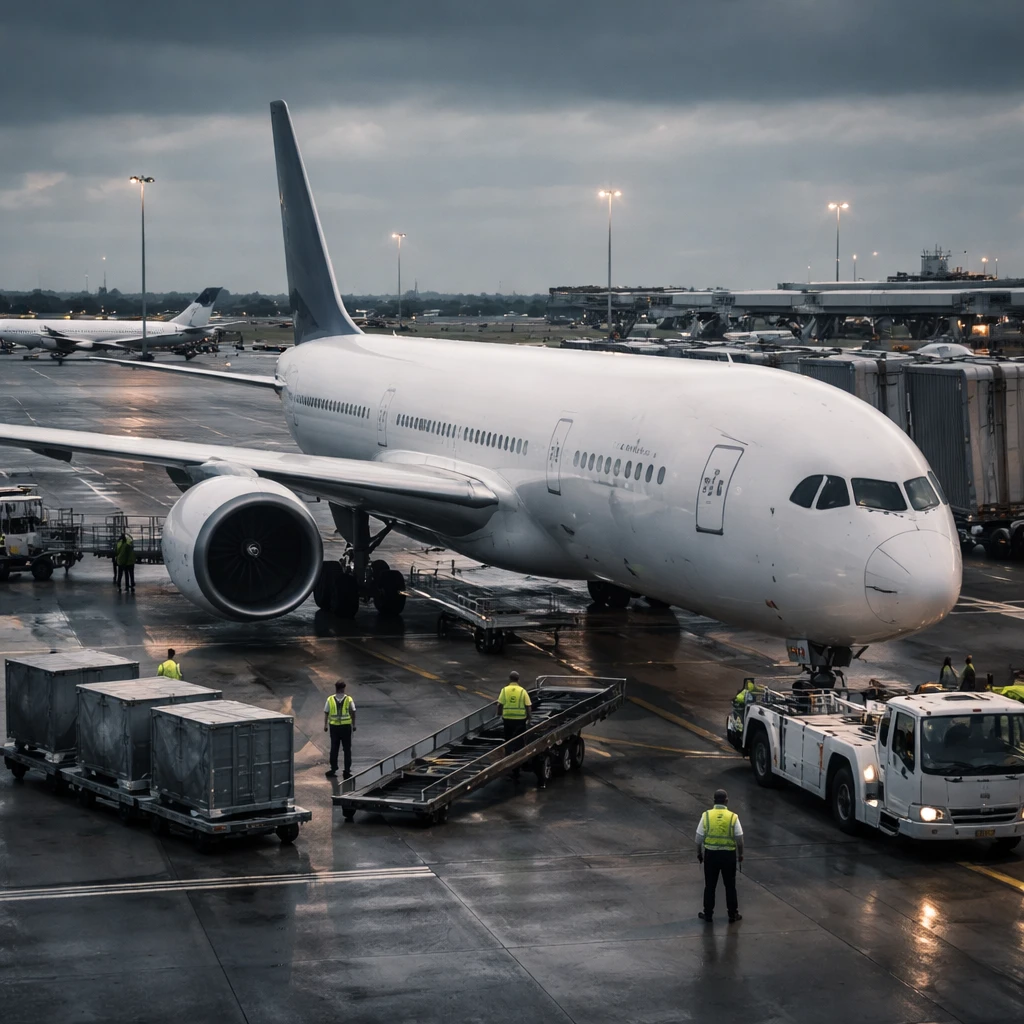
IndiGo confirmed it will return six Boeing 787 Dreamliners that it had been operating under a damp lease arrangement from Norse Atlantic ASA. Under the damp lease, the lessor provided the aircraft along with pilots and maintenance support. The agreement had represented about half of Norse’s fleet and had delivered financial support to the Norwegian carrier, which had been struggling to generate profits on low-cost, long-haul routes between Europe and the United States.
Operational and financial pressures
InterGlobe Aviation Ltd., the parent of IndiGo, pointed to several factors that undermined route economics and operational performance. The company said that airspace constraints, higher fuel costs and currency pressures harmed route efficiency, schedule integrity, network connectivity and overall competitiveness. These pressures contributed to operational choices that include the suspension of widebody services on the two European routes.
Recent financial backdrop and leadership
Earlier this month the carrier reported a second consecutive quarterly loss, which the company said was driven by increased costs related to the conflict in Iran. In parallel with these developments, the airline has named Willie Walsh as its next chief executive officer, with his tenure set to begin on Aug. 3.
What the company will maintain
While widebody flights to London and Amsterdam will cease in October, IndiGo will preserve one long-haul link to Amsterdam by operating A321XLR narrowbody services out of Mumbai. The resumption of Heathrow service is explicitly tied to future A350 deliveries the airline has ordered, rather than an immediate operational change.
Implications
The decisions reflect a recalibration of capacity, relying on narrowbody equipment where the carrier sees better economics today and deferring reinstatement of widebody services until newer long-range aircraft are available in its fleet. The return of the damp-leased 787s to Norse also reverses a significant element of support the Norwegian carrier had been receiving through that arrangement.