
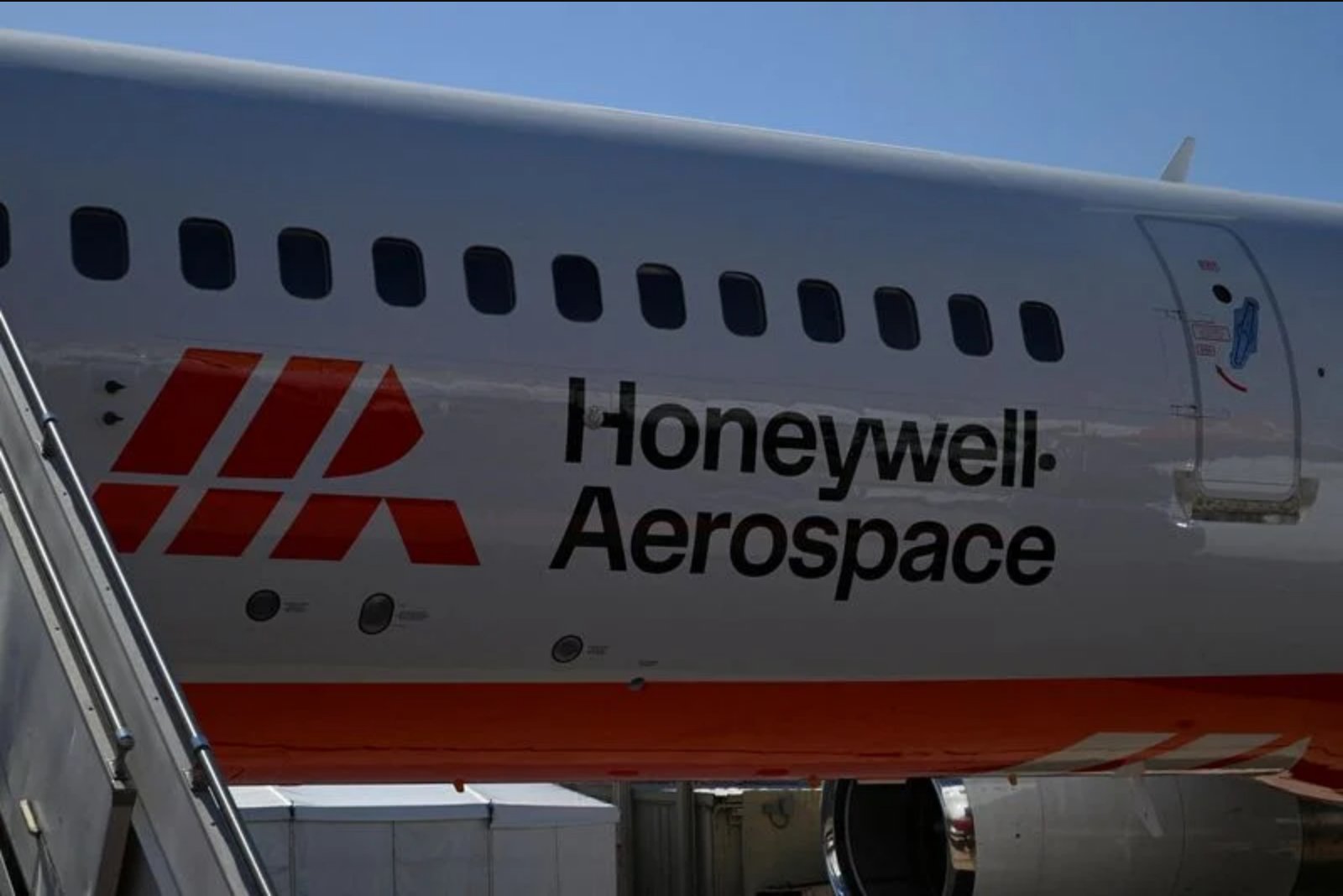
Honeywell Aerospace saw its stock rise 7% when it began trading on Nasdaq on Monday, opening at $236.78 per share compared with $221.01 at the end of last week in "when-issued" trading that commenced earlier in the month. The move represents the latest development in Honeywell's multi-part breakup plan to create three standalone businesses.
According to Honeywell, its decision announced in 2025 to split the conglomerate will produce separate public companies focused on automation, aerospace and advanced materials. That separation process is expected to be completed this year, the company said.
The newly listed aerospace entity follows the path of peers such as GE Aerospace, part of a broader trend of spinning off specialized units from large industrial conglomerates in an effort to improve operational performance through narrower focus and streamlined management.
RBC analyst Ken Herbert noted that under the previous Honeywell reporting structure, the aerospace business - trading under the HONA ticker - had lagged peers in aftermarket growth, attributing that gap largely to execution and supply chain issues. In a research note he said he expects stronger execution and a concentrated emphasis on RMUs - retrofit, migration and upgrade programs - to help HONA bolster its aftermarket pricing power.
Honeywell Aerospace manufactures engines, electronics and systems for aircraft and spacecraft, supplying customers that include plane makers Boeing and Airbus, commercial airlines and the U.S. military. The unit's market debut coincides with strong investor interest in aerospace and defense assets, driven in part by pent-up commercial demand and rising military spending.
In March, U.S. President Donald Trump held talks with munitions manufacturers including Honeywell Aerospace as his administration seeks to expand weapons production after military operations in Iran and other conflicts reduced U.S. stockpiles. As part of related efforts, the company will make a $500 million investment under an agreement announced the same month with the Pentagon, joining other contractors such as RTX and Lockheed Martin in initiatives to boost production of precision-guided missiles and munitions.
Honeywell Aerospace has provided forward-looking financial expectations to investors, saying it anticipates booking $6.5 billion in adjusted earnings by 2030, citing strong demand from defense customers and aircraft manufacturers. For the current year, the company projects sales growth of 7% to 9% and free cash flow in a range of $1 billion to $1.5 billion.
Market context - The debut underscores the current appetite among public market investors for businesses tied to aerospace and defense, where expectations of sustained demand and government procurement support have influenced valuations.