
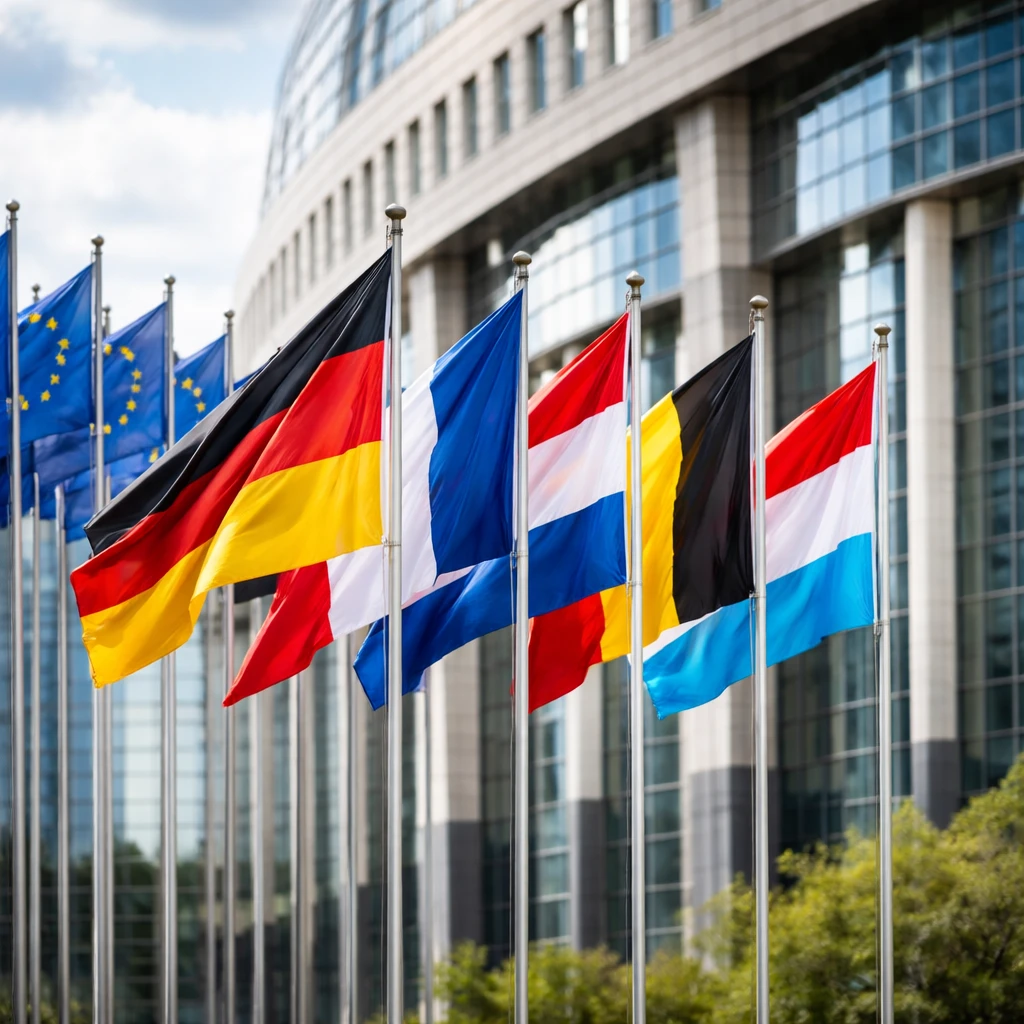
Five European Union member states - Germany, France, the Netherlands, Belgium and Luxembourg - have jointly proposed that the EU weigh temporary limits on voting powers for countries joining the bloc and strengthen rule-of-law protections for incoming members. The recommendations appear in a paper released Tuesday.
The proposal arrives as a group of countries pursue EU membership: Montenegro has stated a target of joining in 2028, while Albania, Ukraine and Moldova continue to progress applications toward accession. Across Europe, national governments are debating whether the EU's accession framework should be adjusted for those who seek to join.
The five nations behind the paper argue for reinforced safeguards for future members, citing part of their reasoning from the bloc's experience with democratic backsliding in Hungary under former Prime Minister Viktor Orban. The paper describes possible treaty-level measures meant to be included in future accession agreements.
Among the instruments set out in the joint text are a monitoring mechanism to track adherence to democratic norms and a so-called safeguard clause. That clause would provide the EU with authority to act in circumstances of serious backsliding affecting areas such as democratic processes and media freedom.
The measures are presented as potential additions to accession treaties rather than immediate changes to existing membership rules. The debate among EU governments continues as those states and their partners consider how accession terms might evolve.
Context and procedural note
The paper is a collective proposal from five member states and is intended to inform discussions about future accession practice. Specific implementation details and any formal treaty changes were not set out in the paper beyond the suggested mechanisms.
Readers should note - the text reflects the contents of the joint paper released Tuesday and the positions described therein; it does not assert outcomes or future decisions that have not been made by EU institutions or member governments.