
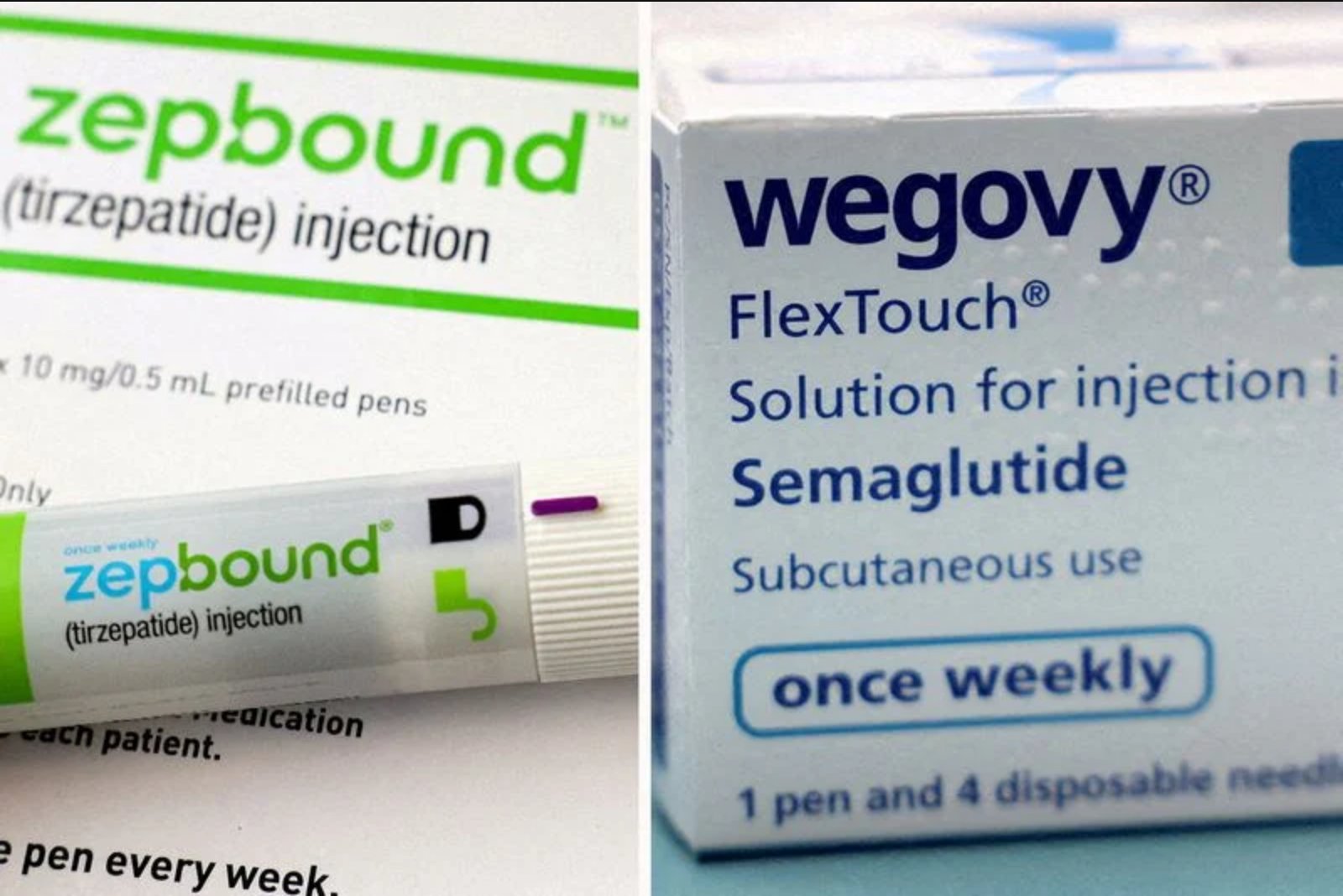
Some major employers in the United States are preparing to remove coverage for GLP-1 drugs prescribed for weight loss in 2027 as broader use of the medications keeps benefit spending elevated despite lower listed prices for some products.
According to a survey published by the Business Group on Health, roughly 10% of employers that now offer coverage for GLP-1s to treat obesity expect to stop covering those therapies in 2027. A separate poll conducted by benefits consultancy Mercer found that 5% of large employers - defined by Mercer as those with more than 500 workers - plan to discontinue coverage in 2027. Mercer also reported that 44% of companies with over 500 employees currently cover GLP-1 drugs for obesity.
Data cited by the Business Group on Health show that 67% of large employers are projected to provide GLP-1 coverage in 2026. In a notable company move, health insurer Cigna has ended coverage of the weight-loss treatments for its own employees effective July, stating that affected employees may purchase the medicines through other channels.
Direct purchases and new oral options
The landscape has shifted partly because newer oral GLP-1 pills, as well as injectable products from manufacturers, are being offered at discounted prices through the drugmakers' own sales channels. Those channels include a government-linked website that has enabled discounted direct-to-consumer pricing. Novo Nordisk introduced a Wegovy pill in January and Eli Lilly began selling a Foundayo pill in April; both oral medicines start at about $149 per month.
Lauren Remspecher, a director at Purchaser Business Group on Health, said employers are noticing that the savings visible to direct cash purchasers and some government-negotiated buyers are not matching the discounts employers obtain through their contracts with pharmacy benefit managers (PBMs) - the intermediaries that negotiate prices for large companies and health plans. Remspecher noted that the transparency of direct-to-consumer and some government pricing has allowed employers to see how much more they are paying and where there might be opportunities to improve contracting.
Demand growth keeps employer costs high
Industry experts interviewed on the issue indicate that demand for GLP-1 therapies has increased this year following the arrival of oral options, attracting patients who had not previously used these medicines and contributing to sustained benefit spending by employers. Several specialists said employers are observing longer-term use among patients and an expanded pool of individuals eligible for treatment, compared with other therapeutic options.
Foundayo and Wegovy pills have been shown to reduce weight by 11% and 14%, respectively, figures that are lower than reductions seen with the injected formulations but make the pills preferable for patients who avoid needles.
"Even though we have seen the unit cost come down, the patient population keeps growing," said Louis Zollo, a pharmacy practice leader at healthcare consultancy Segal.
Benefits consultancy Aon has reported that some patients who used injectable GLP-1s are switching to oral versions, and that the oral options are also drawing new patients. Aon has likewise projected a decline in employer coverage next year.
Dan Mendelson, chief executive officer of Morgan Health - the healthcare unit owned by JPMorgan - said the availability of pills should put downward pressure on the per-treatment cost this year. However, Mendelson added, incremental market growth each year - with more people taking the drugs - will mean that aggregate spending remains a significant cost driver for employers.
The persistence of elevated employer costs despite some lower list prices underscores tensions between direct-to-consumer pricing and existing PBM arrangements, and highlights how expanding patient demand for newer oral GLP-1 options is reshaping employer benefits decisions heading into 2027.