
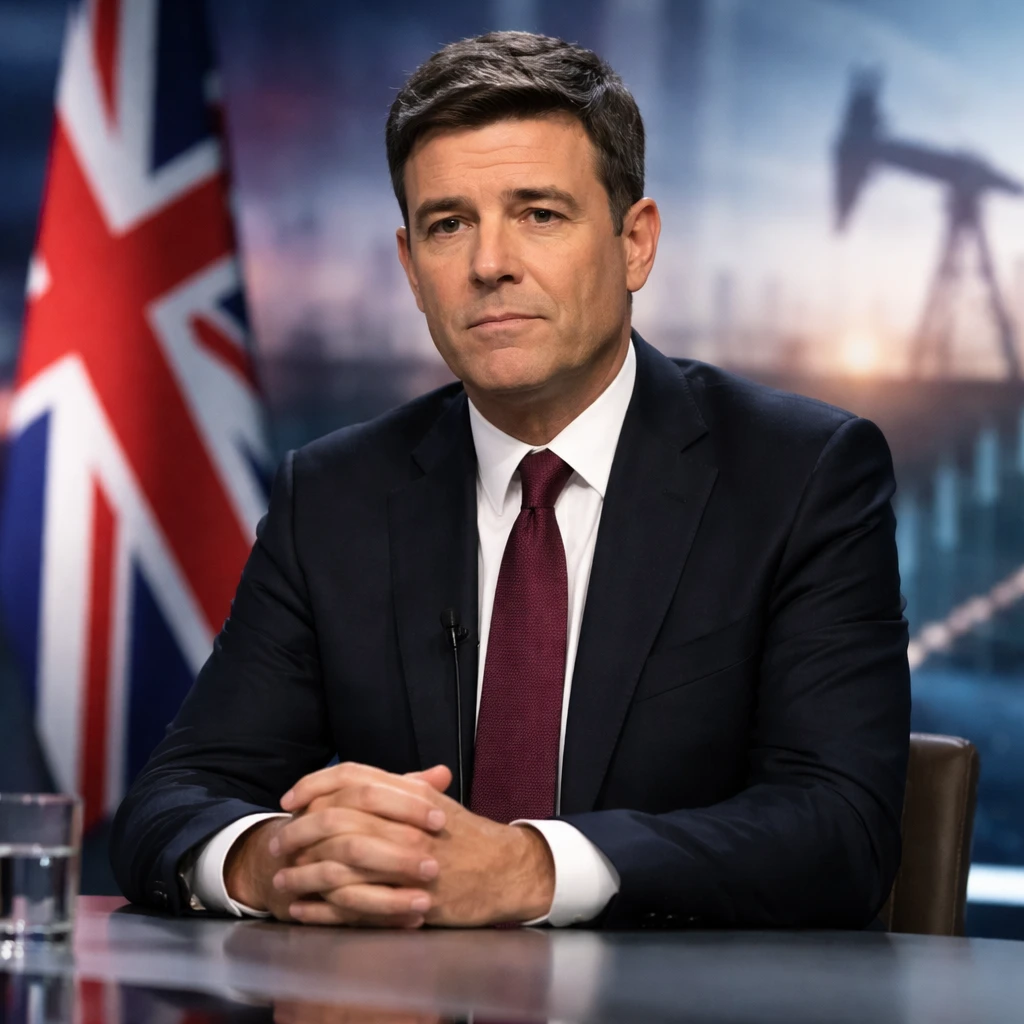
British Prime Minister Andy Burnham told the BBC in his first major interview since entering office that he is prepared to confront U.S. President Donald Trump when UK national interests are at stake. Burnham said his initial contact with Trump had been positive and described the U.S. president as "really warm," but he twice declined to answer directly when asked whether he trusted Trump.
"It’s a changing world," Burnham said, stressing that governments must be able to respond as events unfold. He added that he could not promise he would invariably adopt the same position as Trump and that he would register a differing view if he believed that was right for Britain.
The prime minister also voiced concern about the decision by President Trump to begin the conflict with Iran. According to Burnham, the war has pushed oil prices higher, heightened inflationary pressures and placed additional strain on government borrowing costs. Those dynamics, he suggested, will influence UK fiscal policy choices in the months ahead.
While Burnham's remarks point to the possibility of a more independent UK stance on specific elements of foreign policy, he did not outline any concrete plans to alter the wider security relationship with the United States. Defence spending remains an immediate and unresolved challenge for the new administration.
Burnham was cautious on the timetable for elevating defence expenditure. He declined to commit to the previously discussed deadline of reaching 3% of gross domestic product by 2030 - a target that Chancellor John Healey had advocated before resigning as defence secretary under former Prime Minister Keir Starmer after pressing for that level of military spending. Instead, Burnham said the government's first priority is to fully fund the existing defence investment plan and to determine how to meet broader spending ambitions only after that commitment is secured.
The prime minister indicated the defence spending question will be an integral part of preparations for the budget later this year. He noted that any increase in military outlays would compete for resources with his domestic policy pledges at a time when Britain has limited fiscal headroom.
On domestic politics, Burnham ruled out calling an early general election, saying voters did not want another national poll. The next election is expected by 2029. He said his immediate focus is on delivering the government's programme and restoring public confidence, rather than seeking a fresh electoral mandate.
Taken together, Burnham's interview frames a government weighing the balance between alliance management, immediate defence commitments and constrained fiscal space. He conveyed a willingness to push back against a key ally when national interests demand it, while also signalling prudence on major spending undertakings until current investment plans are fully funded.