
Stock Markets August 20, 2026 02:11 PM

Alphabet rolls out deeper personalization for Search, Discover and Google News

New tools let users mark preferred sources, tailor Discover feeds and customize audio briefings while publishers can embed a button to foster direct reader connections

By Sofia Navarro
Share
Twitter Reddit Facebook LinkedIn
GOOGL

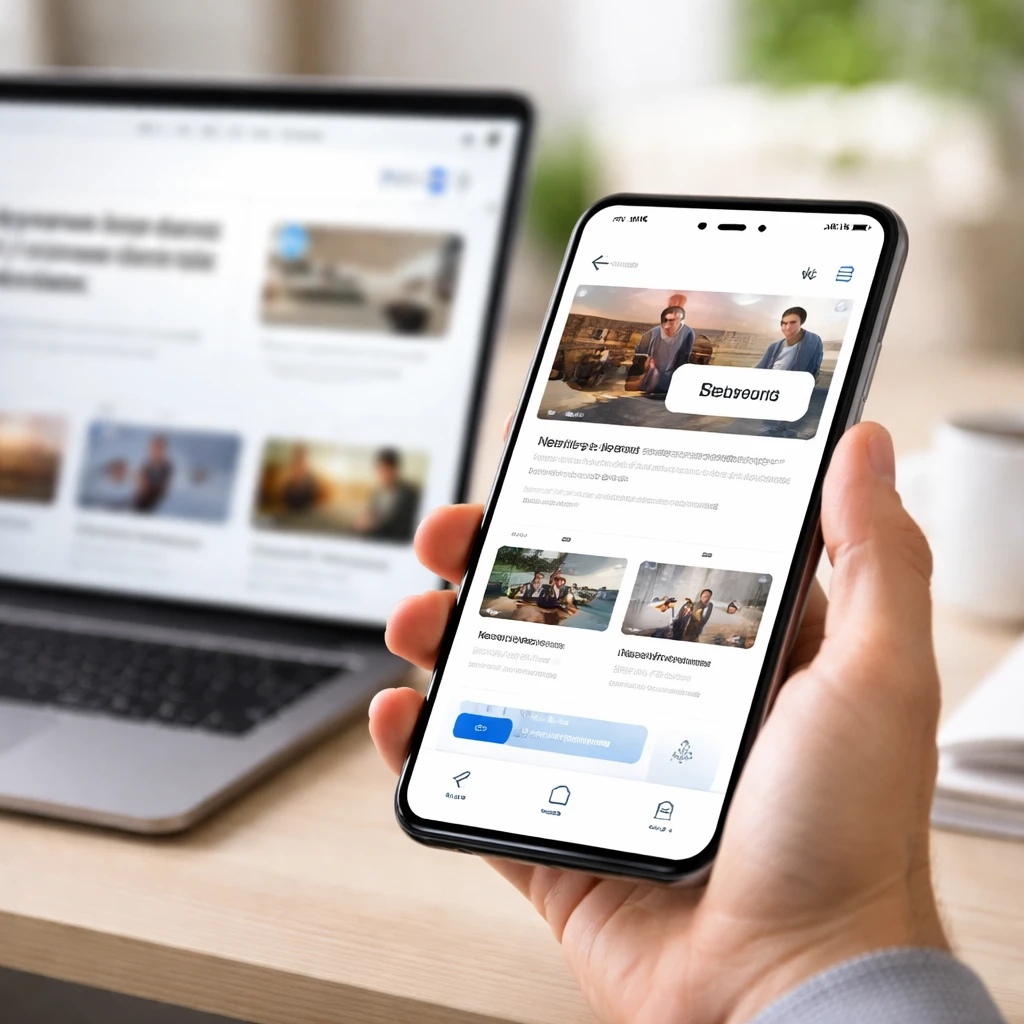
Alphabet is introducing a set of personalization controls across Search, Discover and Google News intended to give users more control over the content they see and to provide publishers a mechanism to connect directly with readers. Key features include an embeddable Preferred Sources button, on-the-fly Discover feed customization and topic-based audio briefing controls in the Google News Android app.

Alphabet rolls out deeper personalization for Search, Discover and Google News
GOOGL
Summarize with
ChatGPT Perplexity Claude Grok Gemini

Key Points

  • Preferred Sources button lets publishers embed a mechanism to register their site as a user's Preferred Source and return the reader to where they left off - impacts digital publishing and reader retention.
  • Discover gains a natural-language customization tool via three-dot menus so users can tell Google what topics or links they want more or less of - impacts personalized content delivery and consumer-facing tech services.
  • Google News audio briefings on Android become more customizable by topic with clear source attribution and links to full articles; deeper audio pieces will be provided by publishers in Google’s news AI pilot - impacts audio content distribution and news consumption patterns.

Alphabet Inc. has announced a package of personalization features for its Search, Discover and Google News products that aim to place more control in the hands of users while enabling publishers to create more direct pathways back to their sites.

Central to the rollout is an interactive "Preferred Sources" button that publishers can add to their pages. When a reader clicks the button, the publisher’s site is registered as a Preferred Source on Google and the user is returned to the point where they left off on the publisher’s page. Google says users have already selected more than 600,000 unique sources. Publishers can access the button’s implementation code via Google Search Central documentation.

On Discover, Google is adding a natural-language, on-demand customization option. Users will be able to tap any three-dot menu and tell Google, in their own words, the specific topics or links they want to see more or less of; the feed will update immediately and retain those preferences for future sessions.

The company is also expanding customization of daily audio briefings in the Google News app for Android. Listeners will be able to curate those briefings by selecting particular topics, and Google says the briefings will include clear source attribution and links back to full-length articles.

Google notes that Preferred Sources will be surfaced across multiple surfaces, including Top Stories, AI Overviews and AI Mode. Separately, publishers that are part of Google’s news AI pilot program will contribute deeper audio dives into major stories for inclusion in the briefings.

These changes are presented as bidirectional: tools that let users refine what they see, and mechanisms for publishers to encourage return visits and stronger reader relationships. Several elements of the rollout are described as forthcoming or are limited to specific programs - for example, the deeper audio segments will come from participants in the news AI pilot.


Summary

Alphabet is adding new personalization features across Search, Discover and Google News. The initiative includes an embeddable Preferred Sources button for publishers, an immediate, natural-language Discover customization via three-dot menus, and topic-based control of audio briefings in the Google News Android app. Preferred sources will be used in Top Stories, AI Overviews and AI Mode, while deeper audio segments will come from publishers in Google’s news AI pilot.

Risks

  • Adoption risk: publishers must embed the Preferred Sources button to participate, so the effectiveness depends on publisher uptake - affects digital publishers and content monetization models.
  • Limited scope uncertainty: deeper audio briefings are tied to publishers in Google’s news AI pilot, indicating initial availability may be limited to pilot participants - affects publishers and audio news distribution.
  • Timing and rollout ambiguity: some features are described as coming soon or tied to specific programs, creating uncertainty about timing and breadth of availability - impacts publishers, platform partners and users planning to rely on the features.

More from Stock Markets

Alibaba Q2 FY2026: Heavy AI Investment Weighs on Profits as Cloud Revenue Accelerates Aug 20, 2026 Advance Auto Parts Q2: Tariff Windfall Masks Underlying Weakness as Turnaround Progresses Aug 20, 2026 Vox.com trims staff in first post-acquisition restructuring under Murdoch ownership Aug 20, 2026 EPA Advances Switch to Winter Gasoline to Bolster Supply and Ease Pump Prices Aug 20, 2026 Anthropic Aims to Rival SpaceX with Potentially Record-Sized IPO Aug 20, 2026