
Market reaction
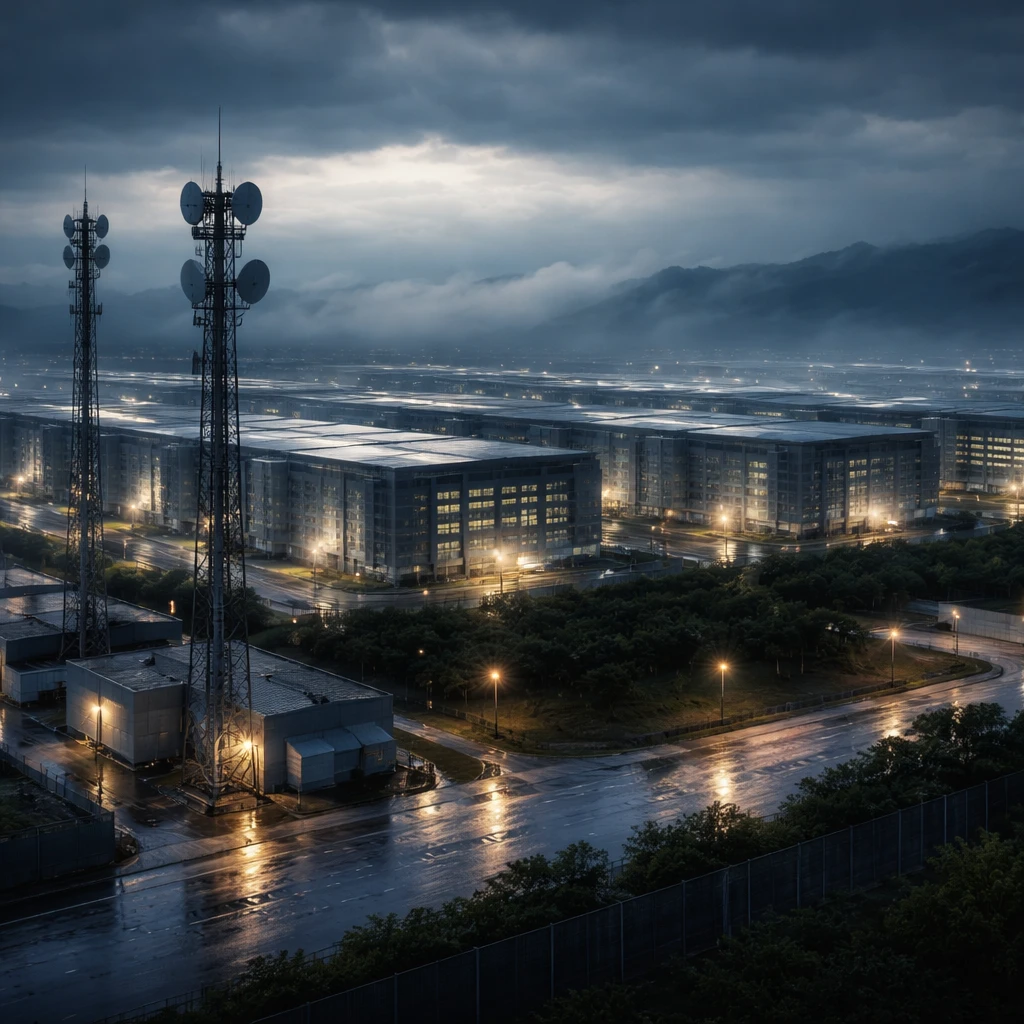
Alibaba Group Holdings Ltd ADR slid 3.1% in pre-open trading to $115.97, moving the share price well below the prior session's close of $119.70. Traders cited a Bloomberg report that China intends to allocate about 2 trillion yuan - roughly $280 billion - over the next five years to construct a nationwide, state-backed network of AI data centers. The plan reportedly envisions state-owned telecom giants owning and operating the bulk of the new infrastructure.
Why investors are concerned
Market participants interpreted the government-backed buildout as a potential structural headwind for private cloud providers. Alibaba Cloud, which currently holds the leading share of China’s cloud market, was singled out as especially vulnerable because the state-funded facilities could reduce pricing power and compress returns on future private investment in cloud infrastructure.
Analyst perspective
Analysts at Citi publicly contested the view that state investment will completely crowd out private hyperscalers. Their assessment is that state-funded capacity would primarily serve state-owned enterprises and smaller businesses, allowing private providers such as Alibaba, Tencent, and Baidu to retain focus on higher-margin enterprise clients. Citi maintained its Buy rating on BABA even as shares fell, signalling analyst support amid the volatility.
Geopolitical overhang
Adding to investor unease, the U.S. Department of Defense on June 8 formally designated Alibaba as a "Chinese military company" under Section 1260H of the National Defense Authorization Act. That decision expanded the Pentagon's list of named Chinese entities from 134 to 188 and prohibits Alibaba from entering into contracts with the U.S. Defense Department. The listing has raised questions among investors about the prospect of wider restrictions affecting the company.
Alibaba has said there is "no basis" for its inclusion on the list and has pledged to pursue legal action to challenge the designation.
Sector and market context
The broader market provided limited support. The NASDAQ fell about 1.0% and the S&P 500 slipped 0.3%, reflecting a risk-off tone across technology and growth names. Alibaba’s Chinese internet peers also experienced selling pressure. Baidu was likewise added to the Pentagon’s military companies list on June 8 and faced comparable headwinds, contributing to a sector-wide pullback among Chinese ADRs listed in the United States.
Combined impact on the stock
Taken together, the state-backed AI infrastructure plan, the lingering overhang from the Pentagon designation, and weakness across the technology sector created a confluence of negative forces. Those factors drove BABA lower in pre-market trading and pushed the share price toward the lower end of its recent trading range.
What remains uncertain
Details remain limited regarding the precise market segments the state-backed capacity will target beyond references to state-owned enterprises and smaller businesses, and the extent to which private hyperscalers' pricing power could be affected in practice has not been quantified. Likewise, the potential for additional regulatory or contractual restrictions tied to the Pentagon designation beyond the prohibition on U.S. Defense Department contracts is a continuing source of investor concern.