
Adidas reported stronger-than-expected sales growth but an operating profit figure that did not meet analyst expectations, a combination that helped drive the sportswear group's shares down by over 17% in Frankfurt - on track for the largest single-day decline on record for the stock.
The company said quarterly operating profit rose 5% year-on-year to €574 million for the April to June period, but that outcome fell short of the analyst consensus of €623 million compiled by market participants. At the same time, currency-adjusted revenue climbed 14% to €6.74 billion, topping the €6.63 billion figure projected by analysts in a company-compiled poll.
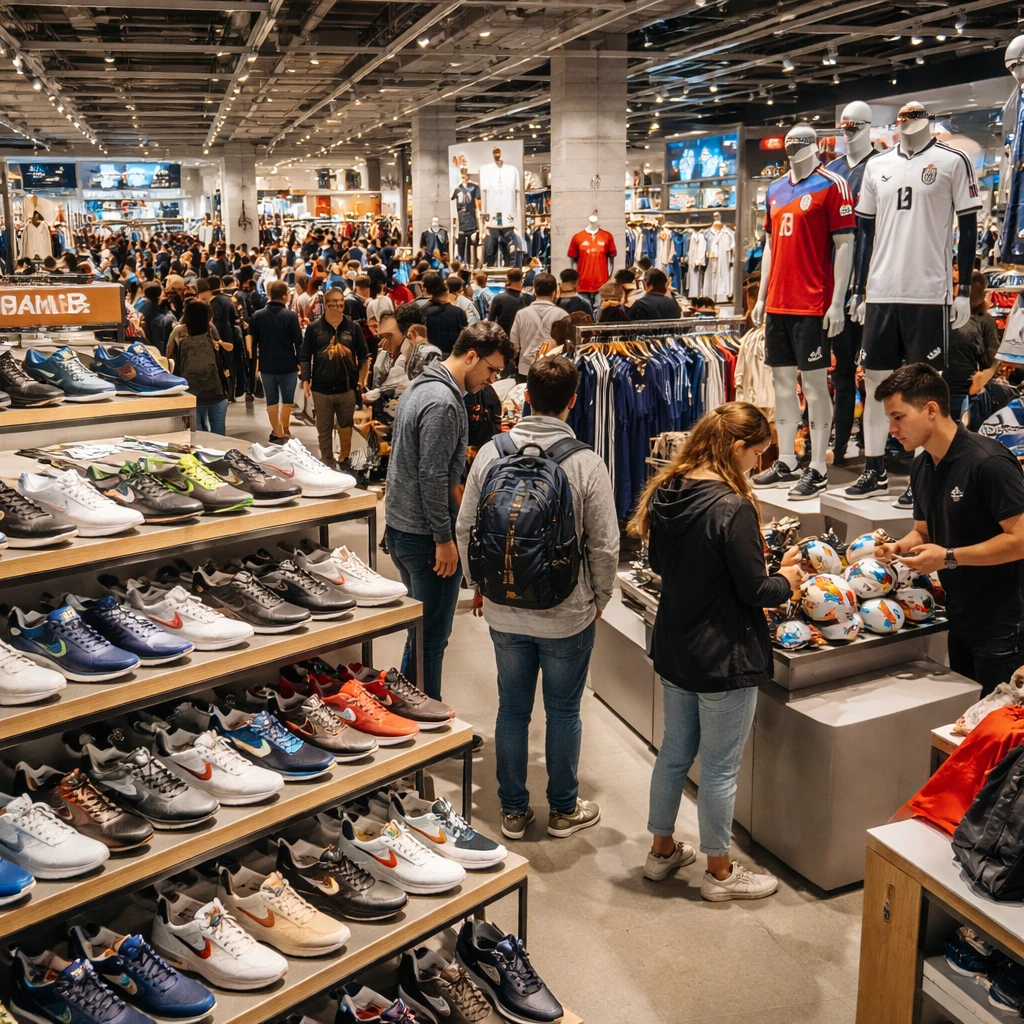
Adidas attributed the top-line increase in large part to World Cup-related demand and a resurgence in interest for retro lines such as Samba and Gazelle, even as the company acknowledged those particular styles were gradually losing some popularity. Foot traffic at Adidas retail locations in the United States jumped 44.7% year-on-year in the week of June 15, which coincided with the first full week of World Cup group-stage matches, according to foot-traffic data cited by the company.
CEO Bjorn Gulden signaled that Adidas prioritized availability over tight inventory optimization to meet consumer and retail partner demand during the tournament, saying the World Cup-driven growth was accelerated by a deliberate strategy of increasing product availability.
The company also disclosed that marketing expenditure rose by 30% compared with the same quarter a year earlier, reflecting promotional activity tied to the tournament. That elevated marketing spend, together with the decision to bolster product availability, helped lift revenue but also contributed to operating profit coming in below street expectations.
Adidas said revenue increased in double digits across all major regions except Europe, where extensive discounting at many retailers pressured lifestyle footwear sales. Despite that regional weakness, the company moved to raise its revenue outlook for 2026: Adidas now expects currency-adjusted revenue growth of 9% to 10%, up from a prior guidance of high single-digit growth.
On profitability, the company maintained its expectation that operating profit for the year will reach roughly €2.3 billion, even after the second-quarter shortfall. The mixed set of results - stronger sales but a profit miss - appears to have unsettled investors, who reacted sharply in the market.
In a separate corporate announcement, Adidas named Birgit Kretschmer as its next chief financial officer. Kretschmer will succeed Harm Ohlmeyer at the end of the year following Ohlmeyer’s decision not to extend his current term.
Market reaction and strategic context
Investors have been watching whether visibility from the World Cup and refreshed product assortments will sustain momentum for the brand as it introduces new styles and seeks to fend off competition. Adidas sponsored 14 national teams at the FIFA World Cup, including finalists Argentina and Spain, which the company says amplified its exposure during the tournament.
Analysts flagged that while the second quarter showed healthy sales expansion, the combination of increased marketing investment and the choice to prioritize availability over inventory optimization produced an earnings outcome that disappointed market expectations.