
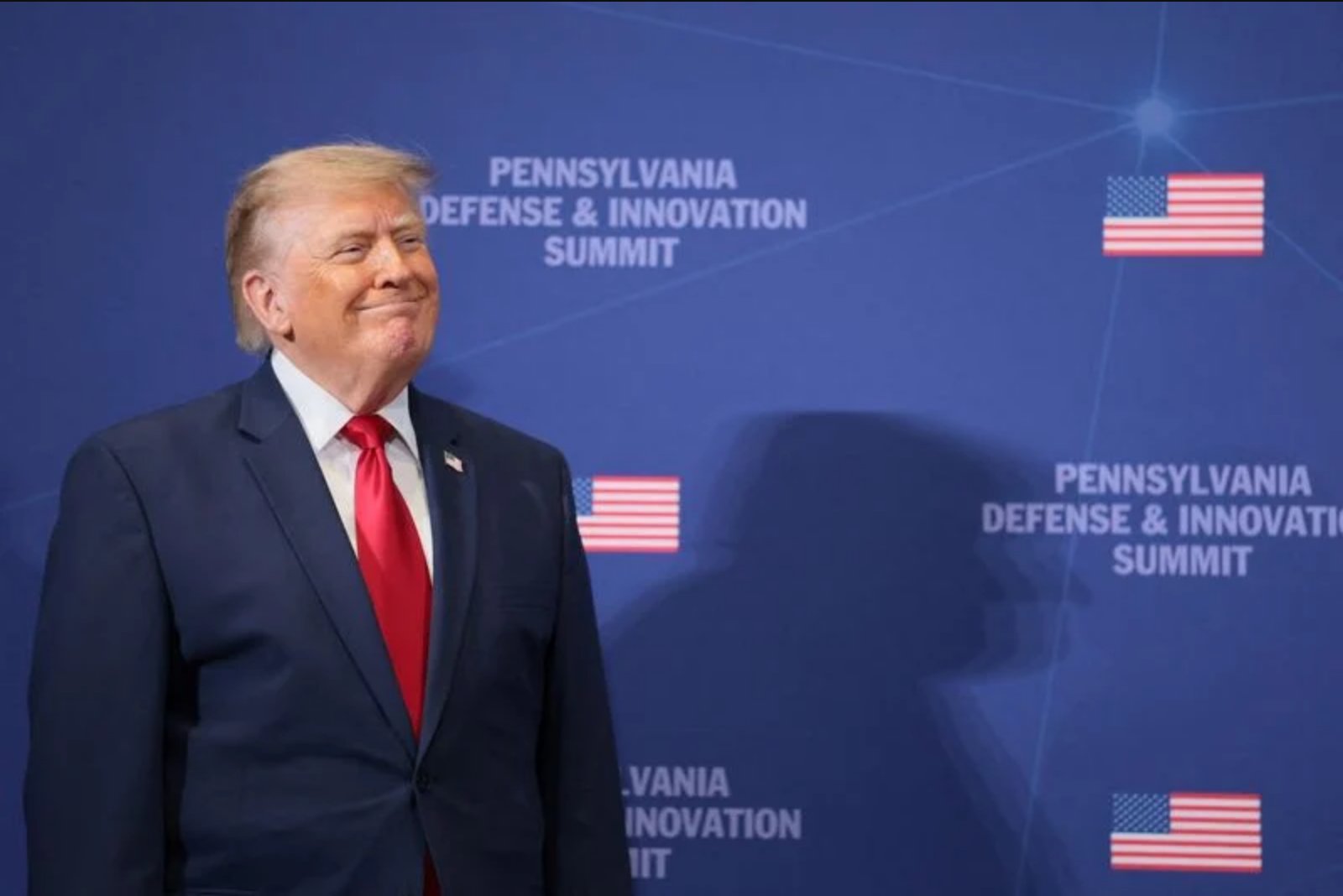
President Donald Trump will deliver a primetime address on Thursday centered on election security, a move that refocuses public attention on his repeated critiques of U.S. voting systems and election administration as Republicans face a challenging midterm election in November.
Within the White House, advisers debated whether the president should include sensitive intelligence reporting in his remarks that reportedly pertains to China’s intentions or capabilities related to interference in U.S. elections during the period from 2017 to 2021. Four sources told reporters that the material under consideration was collected during Trump’s first term in office. Some administration officials expressed concern that the intelligence, if presented in the speech, could be misleading.
Those same sources said the intelligence did not show that Beijing had altered or changed votes. The review of those materials has been underway in recent weeks after a White House task force, led by conservative journalist John Solomon, requested documents from the intelligence community and examined them in preparation for the address.
Trump has for years promoted doubts about the integrity of U.S. elections, including claims that his 2020 loss to Joe Biden was the result of fraud - assertions that have been repeatedly refuted by courts and recounts which found no evidence of large-scale fraud. The president has also advanced other assertions about voting methods and administration, including claims that mail-in balloting is prone to fraud, that voting machines are vulnerable, and that non-citizen voting is widespread.
“As usual, anonymous sources are speculating about what President Trump will say during his speech on Thursday evening,” White House spokeswoman Karoline Leavitt said. “The truth is, nobody knows yet what President Trump will ultimately say.”
The Office of the Director of National Intelligence did not respond to requests for comment, and the CIA declined to comment.
Legislative push and federal involvement
Since returning to office in January 2025, the president has pursued an expanded federal role over the administration of elections - an area that the U.S. Constitution assigns to state governments. In recent months he has pressed Senate Republicans to advance a bill known as the SAVE America Act, a proposal that would impose new federal requirements on voting.
The SAVE America Act would require photo identification to vote, mandate proof of U.S. citizenship to register, and compel states to share voter registration information with the federal government. Supporters argue the measures would strengthen election integrity; critics, including Democrats and voting rights groups, contend that voter fraud is exceedingly rare and that the legislation could suppress legitimate votes.
Political response and midterm dynamics
Some Republican leaders have urged the president to emphasize bread-and-butter issues such as the high cost of living instead of focusing on the 2020 election. Asked whether he would advise the president to avoid revisiting the 2020 contest, Senate Majority Leader John Thune said, “I don’t know what he’s going to say. The only thing I can tell you is, we are focused on the 2026 election, at least I am, and I think most of my colleagues are.”
Republicans face political headwinds as the midterms approach: the president’s approval rating remains underwater and voters are reported to be frustrated by developments tied to the Iran war and attendant high energy prices. Democrats must flip three Republican-held seats to win a House majority, while their path to a Senate majority is steeper, with key contests taking place in Republican-leaning states.
Senate Democratic leader Chuck Schumer said Democrats are preparing for efforts by the White House to influence the November election. “They know they can’t win the election fair and square,” he told reporters. “So we don’t put it past them to try whatever they can.”
Media reaction and broadcast plans
It remained unclear whether television networks would allocate air time for the president’s primetime remarks - a practice generally reserved for addresses deemed to be of significant national importance. Some Democrats, including Representative Alexandria Ocasio-Cortez, called on networks to refuse to air the speech, arguing the president is likely to restate claims that have been debunked.
The options being weighed by the White House, the concerns raised by some officials about the accuracy or context of intelligence material, and competing views within both parties illustrate the heightened political sensitivity surrounding election-related messaging in the run-up to November.
As the president prepares to speak, the interplay between federal proposals on voting, partisan reactions and the consideration of intelligence material keeps election administration and security at the center of the political debate.