
Politics July 24, 2026 02:15 PM

DNC Committee Keeps South Carolina First in 2028 Nomination Calendar, Highlighting Racial Tensions

Close committee vote elevates South Carolina’s large Black electorate over Nevada’s bid emphasizing Latino and union constituencies

By Derek Hwang
Share
Twitter Reddit Facebook LinkedIn

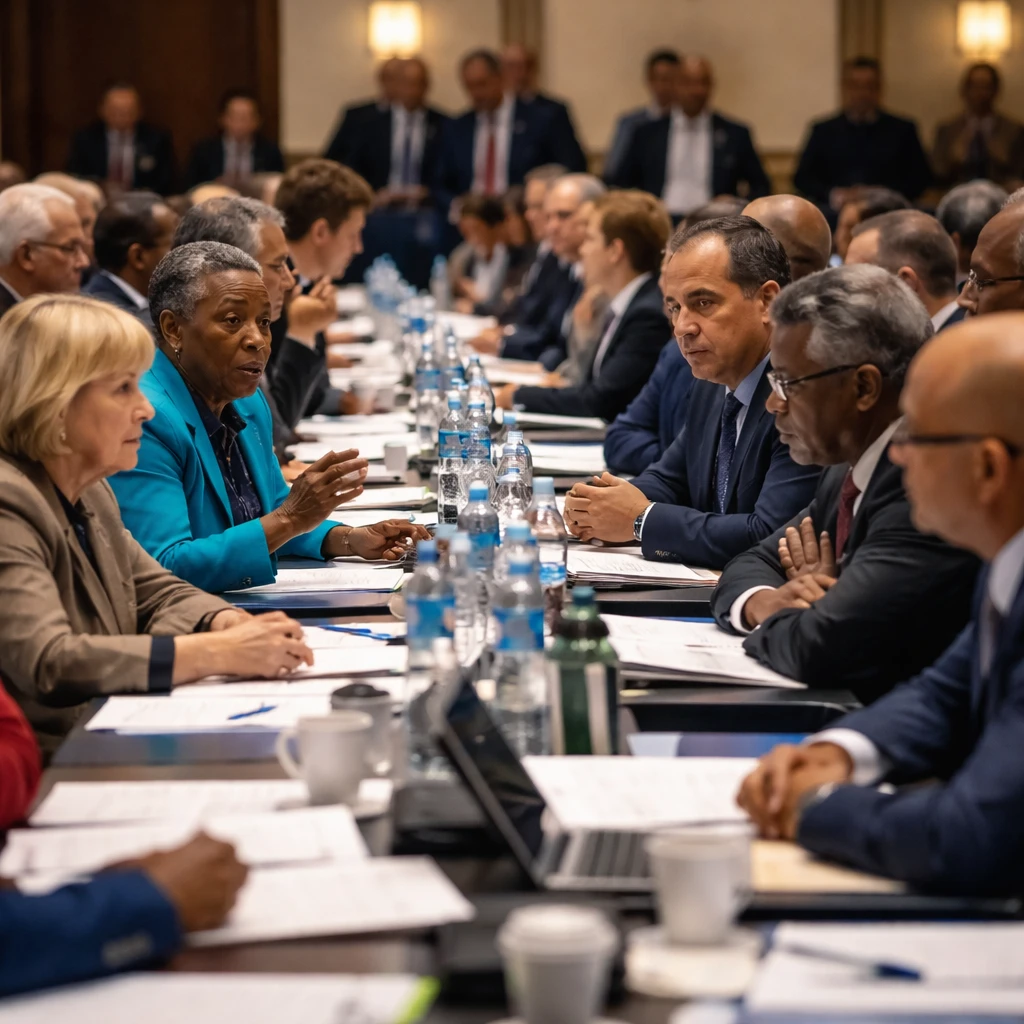
The Democratic National Committee’s Rules & Bylaws Committee voted to keep South Carolina as the first state in the 2028 presidential nominating contest, rejecting Nevada’s push to move ahead. The decision, reached after two days of sometimes acrimonious debate and late-night lobbying, split party leaders along racial lines and will likely be ratified at a full DNC meeting in August.

DNC Committee Keeps South Carolina First in 2028 Nomination Calendar, Highlighting Racial Tensions
Summarize with
ChatGPT Perplexity Claude Grok Gemini

Key Points

  • The DNC Rules & Bylaws Committee voted 26 to 19 on Friday to keep South Carolina as the first state in the 2028 Democratic presidential nominating calendar.
  • The decision highlighted a split between Black and Latino state leaders, with South Carolina's large Black electorate central to its argument and Nevada stressing its Latino population and blue-collar union presence.
  • Because the first state to vote tends to attract campaign spending and media attention, the committee's choice is consequential for how the early nominating contest may shape candidate momentum - impacting political consulting, media and advertising sectors.

The Democratic National Committee’s Rules & Bylaws Committee on Friday endorsed South Carolina’s bid to remain the first state to hold a presidential primary in the 2028 nominating calendar, prevailing over Nevada in a 26-19 vote. The outcome follows two days of often bitter debate that underscored tensions between state leaders representing Black and Latino party constituencies.

Committee members heard robust arguments from both states. South Carolina’s case rested on its large Black electorate, a voting bloc the party regards as central to its national coalition. Nevada’s campaign emphasized its substantial Latino population and described itself as a crucial presidential battleground with a strong blue-collar union presence, constituencies it said Democrats must engage more vigorously going forward.

The contest took on greater significance because the first state to vote in a nominating contest typically helps shape the candidate field, drawing campaign spending and media attention. That dynamic was central to both pitches and to the intensity of the debate, which at times was acrimonious and included late-night lobbying by party leaders on Thursday.

For context within recent party calendar changes, in 2022 then-President Joe Biden persuaded Democrats to reorder the 2024 nominating schedule, ending Iowa’s first-in-the-nation role and placing South Carolina at the front, with Nevada moved to second place. The committee’s close vote on Friday reflects continued contention over which states should have the earliest influence over the nomination process.

Party officials said the full DNC is likely to ratify the committee’s decision at a meeting in August. Until that formal approval, the decision remains subject to final party processes, although the committee vote gives South Carolina a clear advantage in securing the earliest spot.

Observers noted the competition effectively became a proxy fight between the party’s Black and Latino bases, exposing early internal divisions as Democrats prepare for the 2028 fight over who will become the party’s White House nominee. The vote margin was narrow, and the debate’s tone reflected the stakes both states attached to winning first-in-the-calendar status.

Ultimately, the committee’s backing of South Carolina ensures the state with the larger Black electorate remains the opening test for Democratic hopefuls in 2028, while Nevada retains a prominent place in the sequence but falls short of capturing the top slot.

Risks

  • Uncertainty remains until the full DNC meeting in August, where the committee decision is likely but not guaranteed to be approved - creating short-term calendar uncertainty for campaigns and vendors.
  • The vote revealed internal divisions between Black and Latino party constituencies, a political risk that could complicate coalition-building and messaging ahead of the 2028 nomination contest.
  • The narrow margin and acrimonious nature of the debate suggest ongoing contention that could lead to further organizational and resource strains within the party apparatus, affecting campaign planning and related service industries.

More from Politics

Federal Judge Finds 2023 Mifepristone Certification Rules Unlawful Jul 24, 2026 Trump to Speak at Rescheduled White House Correspondents’ Dinner After April Shooting Jul 24, 2026 Trump reports $1.4 billion-plus from family crypto ventures in 2025 disclosure Jul 23, 2026 States Seek Court Order to Stop DHS From Tying Disaster Grants to Election Rules Jul 23, 2026 Administration Presses Congress to Make Daylight Saving Time Permanent, Reorders Transportation Priorities Jul 23, 2026