
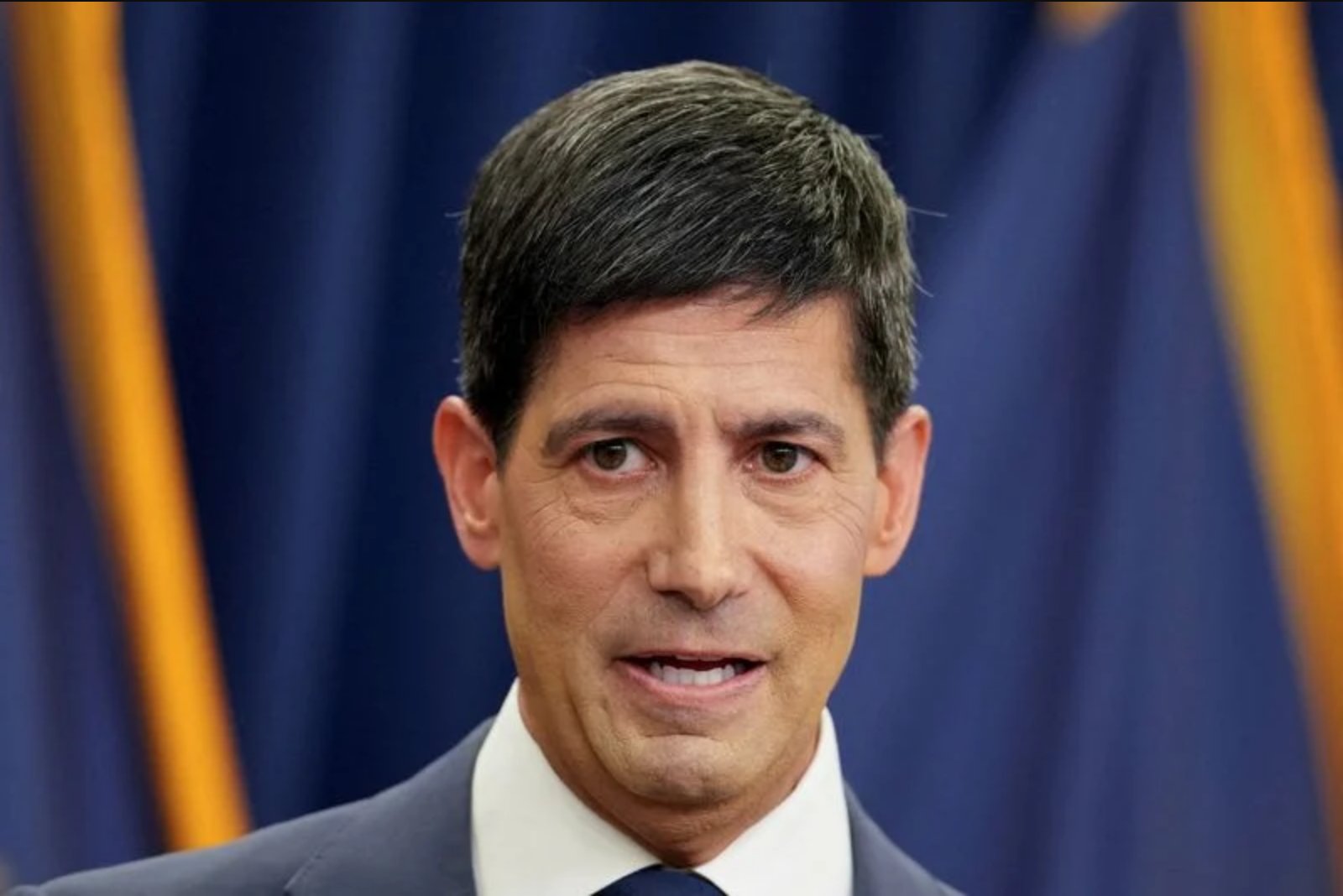
July 1 - Federal Reserve Chairman Kevin Warsh reiterated on Wednesday that he continues to view the central bank's balance sheet as too large, but stressed that any significant change to balance sheet policy will be gradual and clearly communicated to markets.
Speaking at a European Central Bank event in Sintra, Portugal, Warsh said policy moves on the size of the Fed's holdings will be "well deliberated publicly, well understood, and will not be implemented until financial markets have come to understand what those are." He added that it took the central bank roughly 18 years to build the large balance sheet it now holds, and suggested it verges on fiscal policy in his view.
"It took us about 18 years to find our way into this big balance sheet, which again, in my biased view, borders on fiscal policy" and it will take some time to figure out where things go next, Warsh said. He also described himself as "open-minded on the question - we’re not going to prejudge it," while underscoring his preference that interest rate policy remain the principal tool available to the central bank.
Warsh added: "I want interest rate policy" to be the main tool used by the central bank, and noted that "My four weeks at the Fed haven’t disabused me of that idea" that Fed holdings should be smaller.
Warsh returned to the Fed in May after a period in which he had criticized the central bank for the size of its balance sheet. The Fed's holdings currently stand at $6.7 trillion, down from a $9 trillion peak in 2022, but still well above the $4.2 trillion recorded just before the COVID-19 pandemic in 2020 and far larger than the sub-trillion-dollar size seen before the financial crisis two decades ago.
Over multiple episodes, the Fed has purchased large quantities of Treasury and mortgage debt to stabilize markets during periods of stress and to supplement the stimulus provided by conventional interest rate policy. Those interventions have left the central bank with a substantially expanded portfolio and have prompted the creation of a range of tools intended to manage market liquidity in an environment where financial institutions hold sizeable reserves.
Economists and some Fed officials believe the central bank can further pare back its holdings by allowing banks to carry less emergency liquidity. That route, however, could heighten financial stability risks. How the Fed manages interest rates and money market conditions will ultimately shape how far the central bank can safely reduce its holdings without causing market disruption.
Most observers expect any move toward a materially smaller balance sheet to occur slowly, given the technical complexity and potential risks involved. Warsh’s comments reiterated that approach - a preference for using rate policy first, an openness to balance sheet adjustments, and a commitment to deliberate and transparent communication before any steps are taken.
Key points
- Warsh considers the Fed's balance sheet too large and supports eventual reduction, but says changes will be slow and well communicated. (Sectors impacted: banking, financial markets)
- He emphasized that interest rate policy should remain the primary monetary tool rather than balance sheet operations. (Sectors impacted: bond markets, mortgage markets)
- The Fed's balance sheet stands at $6.7 trillion, down from a $9 trillion peak in 2022 but higher than the $4.2 trillion level before the 2020 pandemic and the sub-trillion level before the financial crisis two decades ago. (Sectors impacted: government debt markets)
Risks and uncertainties
- Allowing banks to hold less emergency liquidity to shrink the balance sheet could raise financial stability risks. (Affected sectors: banking, money markets)
- How the Fed manages interest rates and money market conditions may limit how much the balance sheet can be reduced without destabilizing markets. (Affected sectors: short-term funding markets, treasury and mortgage markets)
- Given the complexity of unwinding large holdings, any policy shift toward smaller Fed holdings is expected to take significant time to plan and implement. (Affected sectors: broad financial markets)