
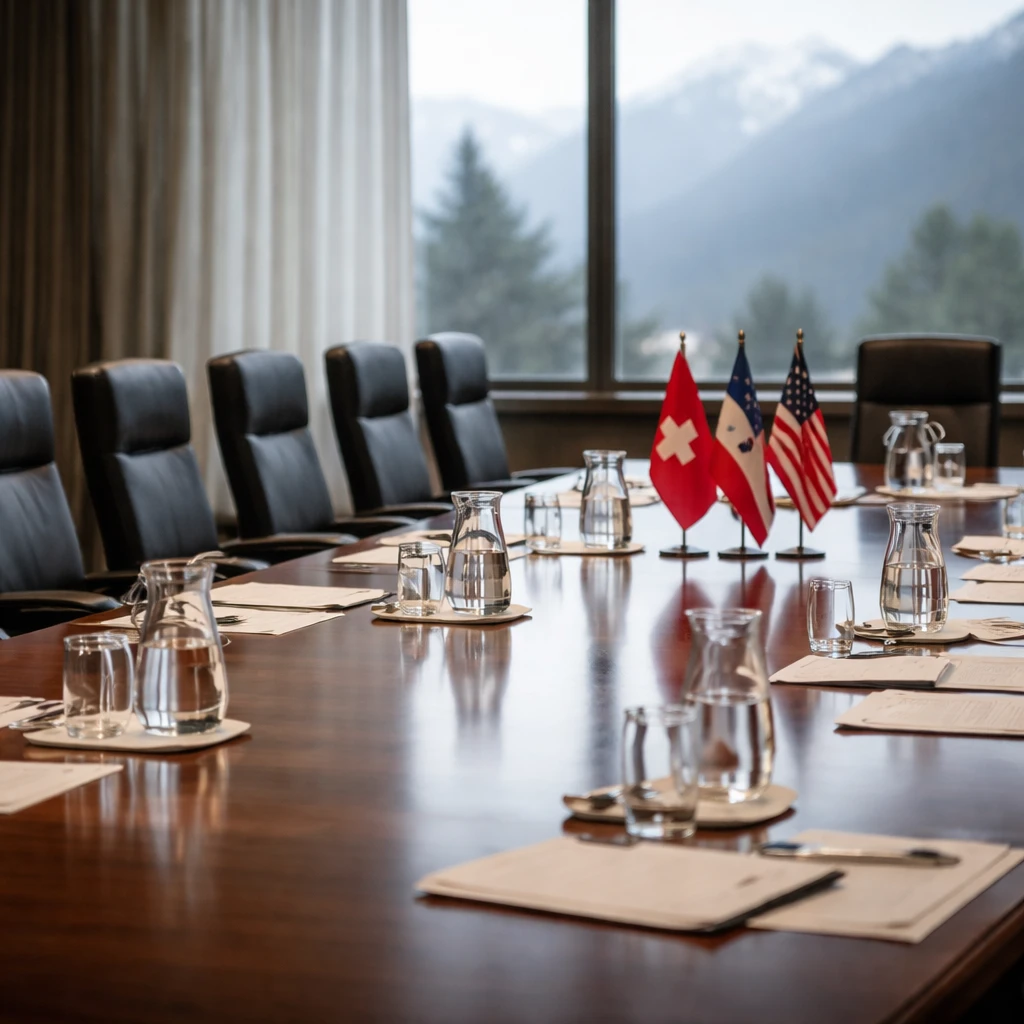
U.S. Vice President JD Vance on Thursday evening cancelled a planned trip to Switzerland intended to start the next round of talks with Iranian negotiators on Friday aimed at implementing a recently agreed peace deal.
The decision to call off the visit came shortly after reports in Iranian media indicated that Tehran was seeking additional assurances that the United States was following through on the terms of the recent agreement before it would commit to further in-person negotiations.
Points of contention and scheduling uncertainty
One ongoing source of disagreement remains Israel's continued military actions in Lebanon, which Iran has flagged as a central issue. Israel has not been part of the negotiations, has signaled distance from the accord and continues hostilities against the Iran-backed Hezbollah in Lebanon, matters that Tehran regards as material to any de-escalation.
U.S. and Iranian delegates had been due to hold a formal signing ceremony in Switzerland on Friday to mark the recent agreement. However, Tehran questioned the necessity of that meeting, noting the memorandum had already been signed remotely on Wednesday by both sides.
Contents of the memorandum and next steps
The two governments signed a 14-point memorandum of understanding that sets out immediate goals including an end to hostilities, the lifting of sanctions on Iran and the reopening of the Strait of Hormuz. The accord further opened the possibility of a 60-day period of talks between the U.S. and Iran on Tehran's nuclear program, with Iran reiterating its position that it will not pursue a nuclear weapon.
Still, apparent delays in organizing subsequent U.S.-Iran discussions have raised questions about the memorandum's durability, particularly given resistance from Israel.
Political rhetoric and intra-regional opposition
Vance used Thursday's comments to criticize Israel, saying that former President Trump was the only head of state sympathetic to Israel. He also targeted far-right factions within Israel that oppose the deal with Iran and the proposed de-escalation with Hezbollah, highlighting internal political divisions that complicate implementation of the memorandum.
The sequence of events - Tehran seeking further signs of U.S. implementation, the questioning of a formal signing ceremony, the cancellation of the U.S. vice president's trip and ongoing Israeli military activity in Lebanon - together leave the timetable for the next round of talks uncertain.
Until those scheduling and substantive issues are resolved, the future of the MoU and whether it will translate into sustained de-escalation remains unclear.