
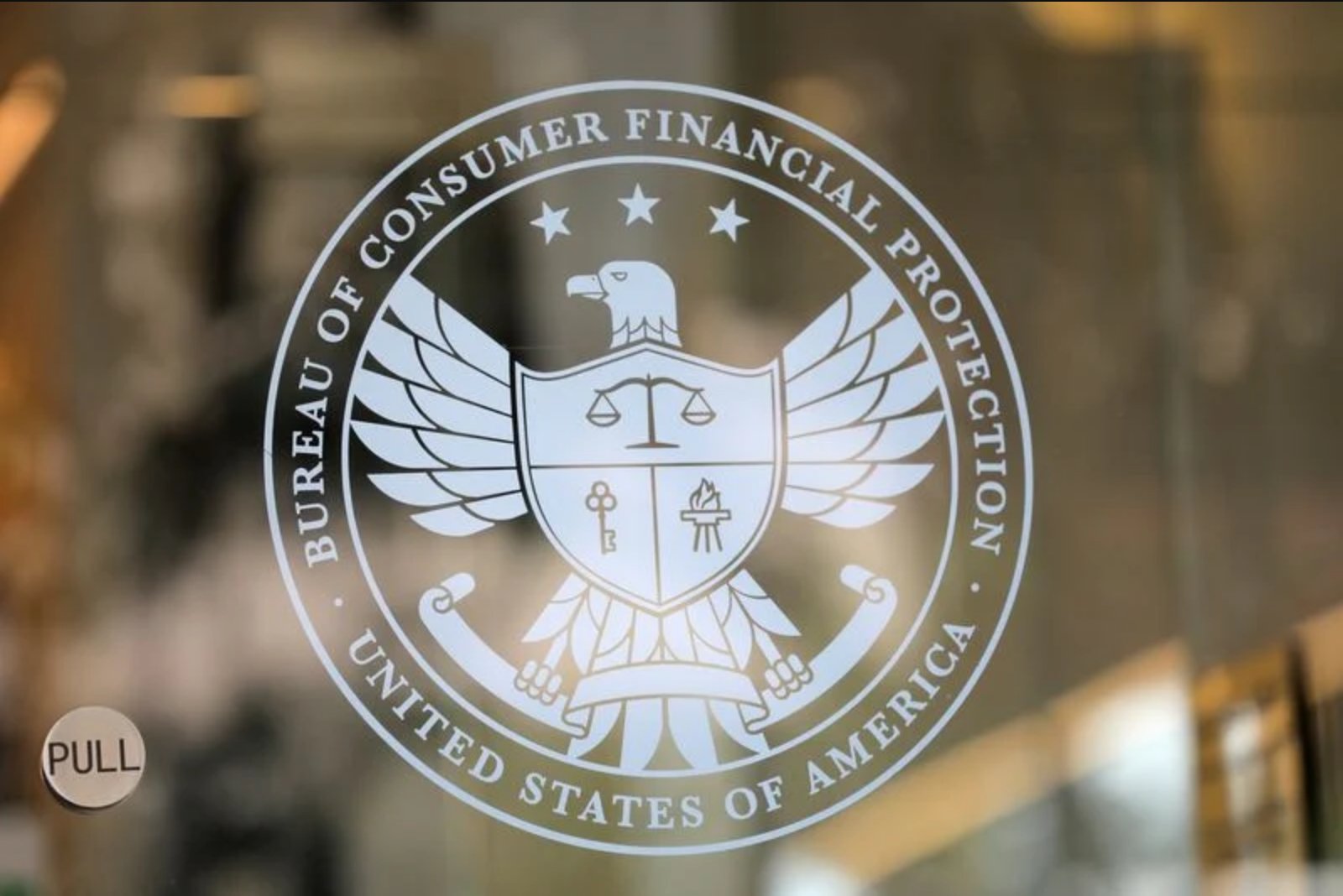
A federal appeals court on Friday issued an order blocking the Trump administration's directive to immediately reduce the workforce at the U.S. Consumer Financial Protection Bureau by approximately two-thirds. The judicial intervention constitutes a notable setback to the White House's sustained campaign to diminish the operational scale of the consumer watchdog.
The ruling originated from the U.S. Court of Appeals for the District of Columbia Circuit. This decision addresses a revised staffing plan submitted by the Justice Department in late March. The submission followed a series of legal challenges where the administration's previous attempts to decimate, or potentially eliminate, the agency faced repeated judicial defeats.
The appeals court was actively reviewing the administration's appeal against an injunction issued by a federal district court judge in March 2025. That previous injunction had temporarily halted the mass termination of agency employees. The Justice Department, which had initially proposed reducing staff levels by up to 90%, had argued for the immediate implementation of its newly revised plan. Furthermore, the department requested that the case be returned to the district judge with a strict 45-day deadline to reassess the existing injunction.
On Friday, the appeals court granted the administration's request to return the case to the district court. However, the court explicitly rejected the administration's demands to resume staff reductions or to impose a specific deadline on the district judge for reassessment. This ruling maintains the status quo regarding the CFPB's workforce for the time being.
The Consumer Financial Protection Bureau was established by Congress in the aftermath of the 2008 financial crash. Its primary mandate involves policing consumer financial products to ensure fair practices. Despite its legislative origins, the agency has faced intense political scrutiny. President Trump and other senior officials have publicly advocated for the abolition of the agency. They characterize the CFPB as a politicized entity that imposes an unnecessary burden on free enterprise.
Conversely, Democrats and defenders of the agency argue that weakening or damaging the CFPB functions as a giveaway to industry players. They contend that such actions prioritize corporate interests at the direct expense of consumer protections. This fundamental ideological divide continues to shape the legal and political battles surrounding the agency's future.
Having been legally barred from enacting the most drastic staffing reductions through immediate court orders, the administration has pursued alternative strategies to weaken the agency's operational capacity. In May, the agency announced a directive to reassign all staff to its headquarters in Washington. This operational shift is widely viewed as a tactic likely to drive resignations through logistical inconvenience and organizational disruption. Additionally, earlier this month, President Trump nominated a vocal critic of the CFPB to assume the role of agency head moving forward. This leadership appointment signals a strategic shift in how the agency will be directed and regulated in the near future.