
SuKarne, the leading meat exporter in Mexico, is assessing a possible sale that market participants said could place the company’s value above $2 billion. People familiar with the matter said SuKarne has engaged Rabobank and BBVA to help run the process, but they asked not to be identified because discussions are private and no deal is guaranteed.
The company declined to comment directly on the possibility of a sale but issued a statement noting that it "continuously evaluates different alternatives to create greater value and support its long-term growth and expansion." Rabobank did not reply to a request for comment, and BBVA declined to comment.
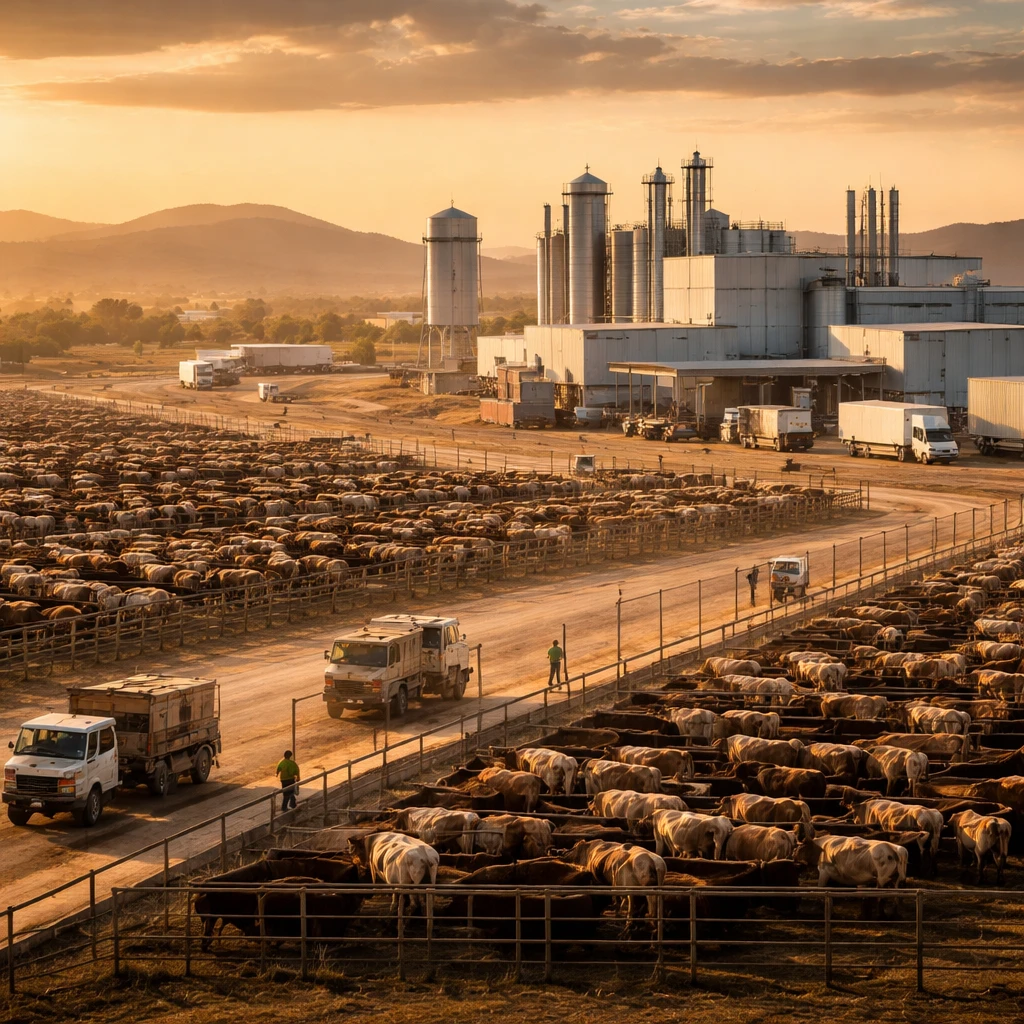
SuKarne operates across multiple links of the protein supply chain - including cattle feeding, meat processing and distribution - which would give a prospective buyer extensive exposure to meat production and logistics within Mexico. That integrated footprint may help explain interest, given the broader consolidation already present in North America’s animal protein sector. The largest firms in the region include Tyson Foods, Cargill, JBS and National Beef Packing Co.
The company’s position in the market has been shaped in part by recent trade disruptions. More than a year ago, U.S. regulators halted imports of Mexican cattle to prevent the spread of the New World screwworm pest. That import suspension came at a time when U.S. cattle inventories had fallen to historically low levels, adding pressure to the domestic beef market. The halt contributed to record-high beef prices in the United States and squeezed some parts of the industry, particularly Texas feedlots that depend on Mexican cattle.
In July, U.S. authorities said they would begin a phased reopening of the border to Mexican cattle after determining it was safe to resume trade. The prior restrictions prompted increased investment in Mexico in areas such as cattle feeding and meat processing, a shift that helped raise Mexican beef exports to the United States - an adjustment in which companies like SuKarne played a notable role.
SuKarne traces its origins to 1969, when José Isabel Vizcarra and María Calderón founded the company in Culiacán, in the state of Sinaloa. Leadership of the business remains in the family: their son Jesús Vizcarra Calderón serves as chairman and chief executive officer and is the majority shareholder.
The company describes itself as one of Mexico’s largest food firms and reports it accounts for nearly 75% of the country’s meat exports. SuKarne also states it has a presence on four continents and in more than 13 countries. It is a primary meat supplier for domestic supermarket chains, and its products are also sold in several U.S. grocery stores.
In a corporate statement, SuKarne said it is the world’s third-largest cattle feeder and the fifth-largest beef supplier in North America. The firm reports working with over 60,000 agricultural producers and says its operations support the primary income of more than 165,000 families in Mexico. Its business lines include cattle feeding, processing and distribution of beef, chicken and pork products.
Sources involved in the potential transaction reiterated that the process remains in early stages and that engaging advisors does not mean a sale will occur. Any prospective buyer would gain a vertically integrated platform spanning feedlots, processing plants and distribution networks within Mexico and an established export footprint across multiple international markets.