
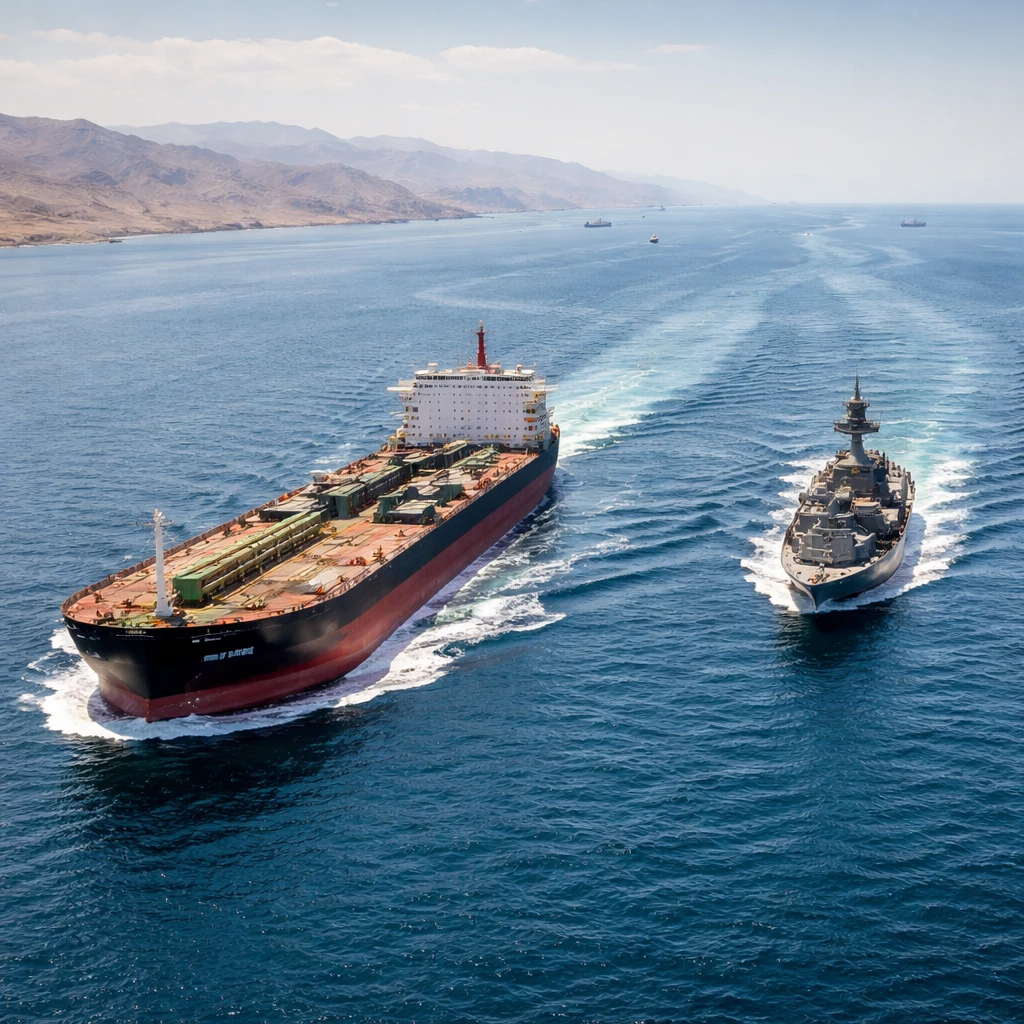
U.S. Secretary of State Marco Rubio pushed back on criticism of American operations in the Strait of Hormuz after India protested recent strikes that resulted in the deaths of three Indian seafarers, according to a statement released by the U.S. State Department.
In a phone call with Indian External Affairs Minister Subrahmanyam Jaishankar, Rubio defended Washington’s posture in the strategic waterway and stressed expectations for commercial shipping. The State Department statement quoted Rubio as saying that all commercial vessels should immediately comply with instructions from U.S. forces operating in the region.
Rubio also conveyed that violations of the U.S.-led blockade and the transportation of Iranian crude would not be tolerated. Those remarks were made against the backdrop of India formally raising concerns about the air strikes that killed three Indian mariners.
India’s minister signaled his objections publicly on the social media platform X, where he said he had communicated India’s concerns directly to Rubio and characterized the attacks as unjustified. "Such lethal actions against commercial shipping are not justified," Subrahmanyam Jaishankar wrote.
The exchange between Washington and New Delhi underscores intensifying diplomatic strain tied to security operations in the Strait of Hormuz. The waterway is a crucial conduit for global oil and gas shipments, and the imposition of restrictions on shipping has been linked to increased volatility in energy markets.
These developments arrive at a moment when there are indications that Washington and Tehran are edging closer to a possible agreement intended to end the conflict. U.S. President Donald Trump has said a deal could be signed soon and that the Strait of Hormuz would reopen following an agreement.
The dispute also surfaces just before a scheduled meeting between Indian Prime Minister Narendra Modi and President Trump on the sidelines of the Group of Seven summit in France next week. Regional security, maritime trade routes, and developments in the Middle East are expected to be prominent topics during those discussions.
For India, stability in the Strait is a material strategic and economic concern. The country is one of the world’s largest energy importers and depends heavily on oil shipments that transit the waterway, which intensifies New Delhi’s interest in the safe passage of commercial vessels.
As diplomatic exchanges continue, the incident highlights the tight link between maritime security operations and energy market stability. The recent strikes and the subsequent protest from India illustrate how enforcement actions in a narrow, high-traffic corridor can produce immediate political fallout among major energy-consuming nations.