
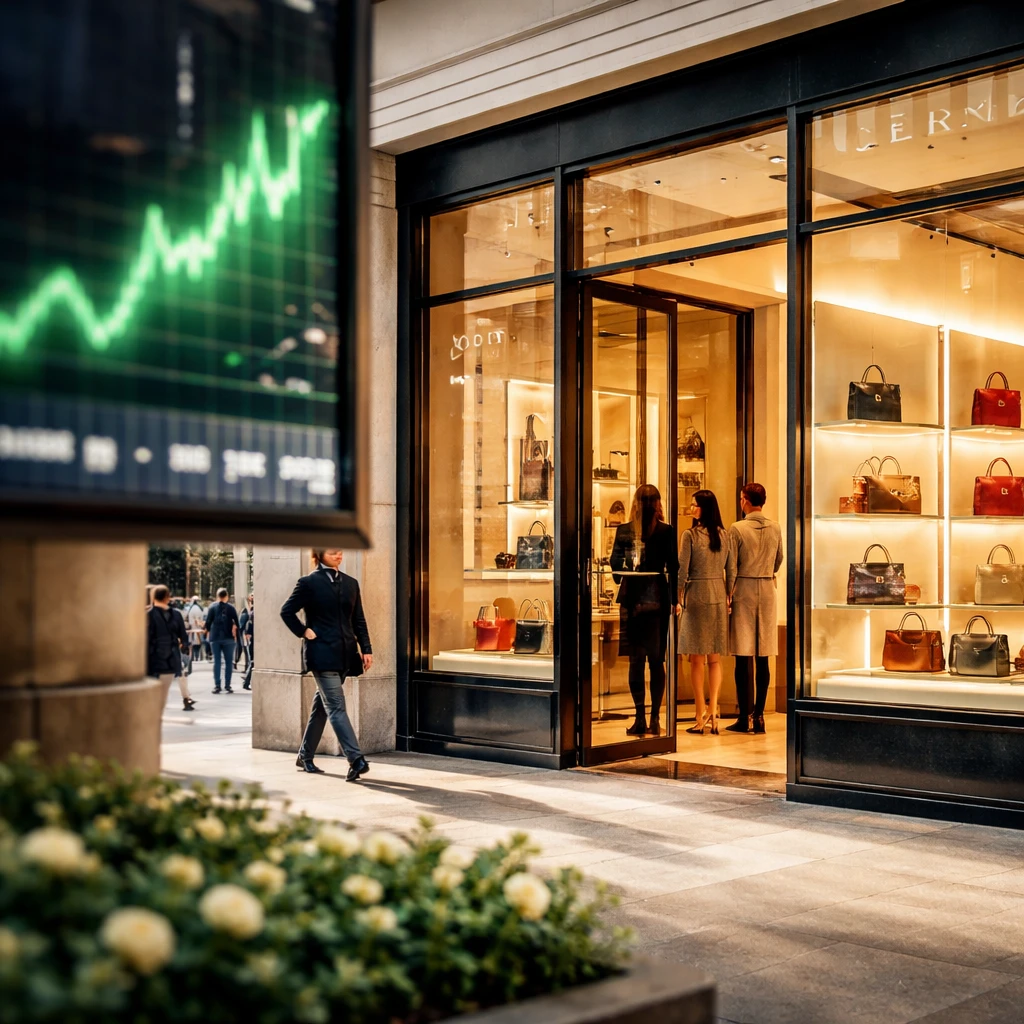
Kering shares rose sharply, climbing 11.6% to trade at €279.6 after the luxury group published its first-half 2026 results following Tuesday’s market close. The report identified an inflection point for the group as comparable revenue for H1 reached €7.22 billion, a 1% increase that halted a run of twelve consecutive quarters of comparable sales declines. Second-quarter revenue of €3.65 billion also marginally exceeded analyst consensus.
Within the results, Gucci emerged as the headline performer. The brand’s comparable sales decline narrowed to the low single digits in Q2 - a roughly 7-percentage-point sequential improvement from Q1 - supported by a 9% rise in sales in the United States as recent handbag launches found traction with consumers. Management also highlighted the Gucci Primavera collection, which entered stores in mid-July, as a near-term sales catalyst referenced by analysts covering the stock.
Profitability and balance-sheet metrics reinforced the upbeat topline message. Operating margin widened to 12.8%, up 40 basis points year-over-year, while net financial debt fell by €4.7 billion since the end of 2025. Those moves signaled both margin recovery and meaningful debt reduction alongside the revenue turnaround.
The earnings release triggered swift action among sell-side analysts. HSBC upgraded Kering to Buy from Hold and lifted its price target to EUR 340, citing management’s reaffirmed FY2026 outlook and the Gucci Primavera launch as contributors to near-term momentum. Barclays also moved to upgrade the stock, raising its stance to Equal Weight from Underweight and setting a EUR 300 target, reflecting increased conviction that the company’s recovery is progressing.
The combination of a modest beat on Q2 revenue and a cluster of upgrades in a single session intensified buying interest. On a day when European equities were largely flat amid a busy earnings calendar that included banks and other sectors, Kering’s jump stood out as the most noticeable move on the CAC 40.
Sector context also played a role in shaping investor sentiment. The luxury group’s results came on the heels of earlier positive momentum in the sector, notably from accelerating Q2 revenue reported by LVMH earlier in the week. Hermès released its half-year figures the same day, offering an immediate peer comparison point as investors digested multiple luxury prints.
In sum, the end to consecutive comparable sales declines, a pronounced improvement at Gucci, measured margin expansion, rapid debt reduction and a wave of analyst upgrades combined to create a potent, multi-layered catalyst that propelled Kering to its strongest single-session gain in recent memory and to the top of the CAC 40 for the trading day.
Summary
Kering’s H1 2026 results showed a return to comparable revenue growth, a marked rebound at Gucci, an improved operating margin and a reduction in net financial debt. The quarterly beat and subsequent analyst upgrades spurred significant buying, sending the stock sharply higher and making it the session’s top performer on the CAC 40.
Key points
- Group comparable revenue for H1 2026 was €7.22 billion, up 1%, ending twelve consecutive quarters of comparable sales declines - impacting the luxury and consumer goods sectors.
- Gucci’s comparable sales decline narrowed to the low single digits in Q2, improving by roughly 7 percentage points from Q1, with U.S. sales up 9% as new handbag lines gained traction - relevant to luxury brands and retail apparel sectors.
- Operating margin expanded to 12.8% (+40 basis points year-over-year) and net financial debt fell by €4.7 billion since end-2025, indicating better profitability and balance-sheet repair - affecting corporate finance and credit markets.
Risks and uncertainties
- Maintaining the improved Gucci performance will be necessary to sustain the recovery; the report shows only a sequential improvement rather than a definitive long-term trend - a point of uncertainty for investors in luxury retail.
- Market reaction was concentrated on one session, amplified by analyst upgrades; short-term trading dynamics could reverse if upcoming sector earnings or company updates do not align with investor expectations - relevant to equity market volatility.
- The busy European earnings calendar may reallocate investor attention across banks and other sectors, which could temper follow-through buying in luxury names despite the strong print - affecting broader European equity flows.