
Economy July 1, 2026 10:59 AM

Rosatom Sees 40% Spike in EV Charging Usage as Fuel Shortages Bite

State nuclear firm reports sharp rise in charging demand amid regional supply disruptions after strikes on energy infrastructure

By Nina Shah
Share
Twitter Reddit Facebook LinkedIn

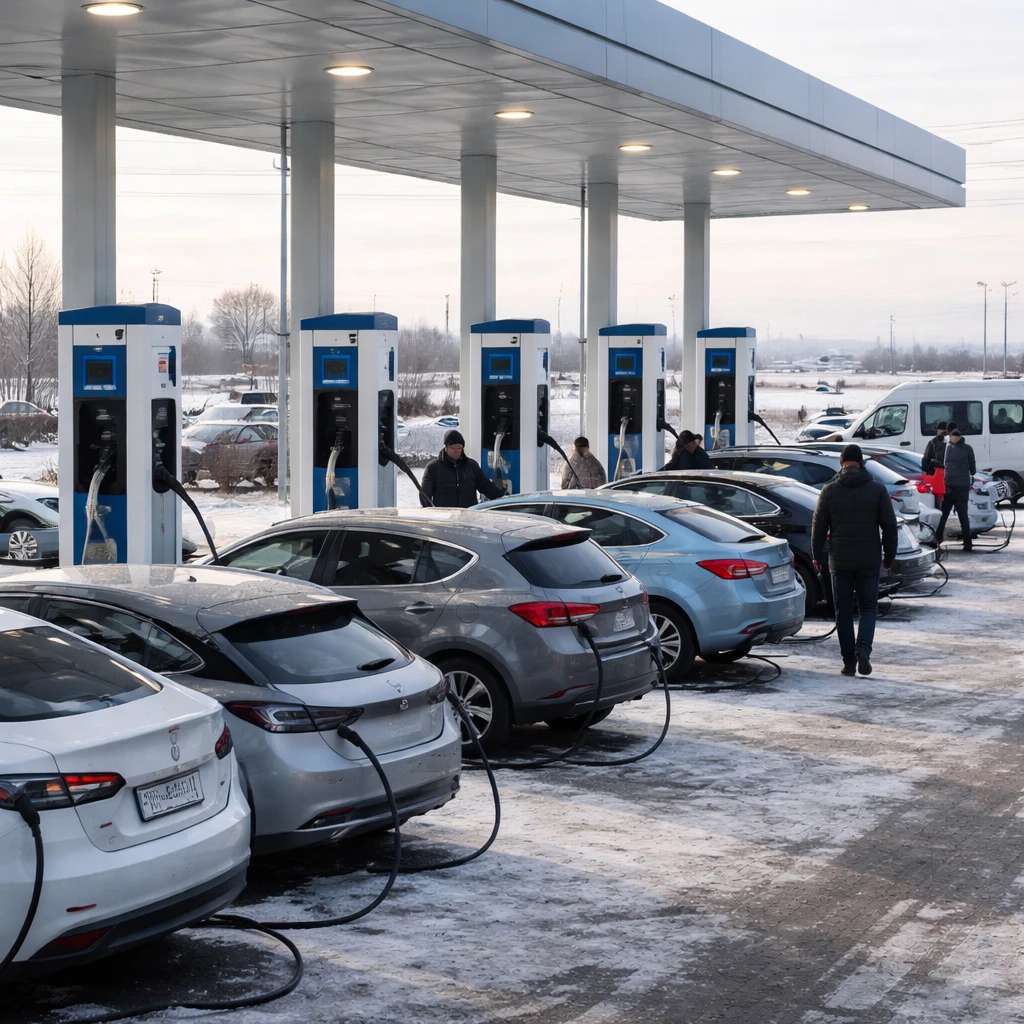
Rosatom reported a 40% rise in utilisation of its electric vehicle charging network between June 21 and June 28, CEO Alexei Likhachev said, as gasoline and diesel shortages linked to Ukrainian strikes on energy infrastructure have constrained supplies in parts of Russia. The state corporation operates more than 290 charging stations nationwide; Russia’s broader EV stock remains modest despite recent gains in plug-in hybrid sales.

Rosatom Sees 40% Spike in EV Charging Usage as Fuel Shortages Bite
Summarize with
ChatGPT Perplexity Claude Grok Gemini

Key Points

  • Rosatom reported a 40% rise in charging demand between June 21 and June 28, increasing utilisation of its network of more than 290 stations.
  • Fuel shortages after Ukrainian strikes on energy infrastructure have caused supply restrictions in southern Russia and Siberia, contributing to higher EV charging usage.
  • Russia’s EV market remains relatively small - 208,000 electric vehicles and plug-in hybrids as of early April - though plug-in hybrid sales rose 125% year-on-year through May, which may influence related energy and transport sectors.

Russia’s state nuclear corporation Rosatom disclosed a marked increase in use of its electric vehicle (EV) charging network, recording a 40% jump in demand over the week from June 21 to June 28, Chief Executive Alexei Likhachev said on Wednesday.

The company’s announcement links the surge in charging demand to nationwide gasoline and diesel shortages that have followed Ukrainian strikes on energy infrastructure. Those disruptions have produced supply constraints in parts of southern Russia and Siberia, the CEO said.

Rosatom operates a network of just over 290 public charging stations across Russia. Speaking to reporters, Likhachev emphasised that the group is seeing rising utilisation of those facilities: "We are already seeing a significant increase in the utilisation of our network of electric charging stations," he said.

Likhachev also suggested that the ongoing fuel situation could change consumer thinking about future vehicle purchases, without forecasting an immediate shift in consumer behaviour. "I do not think the current situation will lead to an immediate switch to electric cars, but it will certainly prompt many car owners to think about choosing between internal combustion engines and electric in the future," he added.

Broader market metrics cited in the briefing underline the limited scale of Russia’s electric vehicle market even as some segments expand. Analytical agency Autostat reported that as of early April there were 208,000 electric vehicles and plug-in hybrids operating in Russia. In addition, Autostat recorded 24,600 plug-in hybrid sales from January through May, a 125% increase compared with the same period a year earlier.


The combination of short-term fuel disruption and a small but growing EV fleet has coincided with heavier use of Rosatom’s charging points, though the company and market data stop short of indicating a structural or immediate transition to electric vehicles. The report also reiterated longer-standing barriers to broader EV adoption in Russia, including severe weather conditions, long travel distances and sparse charging infrastructure.

For now, the observable effect is an uptick in demand at existing stations rather than a confirmed shift in vehicle purchases. Rosatom’s charging footprint and the recent spike in utilisation will be closely watched by stakeholders monitoring energy, transport and infrastructure responses to supply interruptions.

Risks

  • Fuel supply disruptions tied to attacks on energy infrastructure can create short-term shifts in demand for alternative fuel sources, affecting transport and energy distribution sectors.
  • Limited charging infrastructure, severe weather and long distances constrain rapid EV adoption, posing uncertainty for businesses and investors in EV-related infrastructure and services.
  • Despite rising utilisation at charging stations, there is no evidence of an immediate wholesale switch to electric vehicles, leaving the pace of structural market change uncertain for automotive and energy markets.

More from Economy

Warsh to Name Outside Experts for Fed Task Forces, Says Some Will Be International Jul 1, 2026 U.S. Will Conduct Annual USMCA Reviews Rather Than Seek Renewal Jul 1, 2026 Central Bankers Grapple with AI’s Double-Edged Economic Impacts Jul 1, 2026 BoE governor says rate cuts remain off the table as oil retreats Jul 1, 2026 Cuban Foreign Minister Says Talks with U.S. Have Stalled as Sanctions Bite Jul 1, 2026