
Retail fuel prices in Russia moved higher last week as drone attacks on oil-processing facilities worsened domestic supply conditions, Federal Statistics Service data released Wednesday show.
Between June 23 and June 29, average gasoline prices rose 1.7% to 72.38 rubles per liter. Diesel advanced 2.3% over the same period, reaching 84.84 rubles per liter. The gasoline increase follows an earlier weekly jump that was described as the largest in at least 20 years.
Both Ukrainian and Russian public statements indicate more than 50 attacks on Russian oil-processing sites since January, compared with 82 attacks across all of 2025. The number of strikes has climbed in recent weeks, and several major refineries have been forced to suspend operations. Those interruptions have reduced crude-processing rates and trimmed domestic fuel inventories.
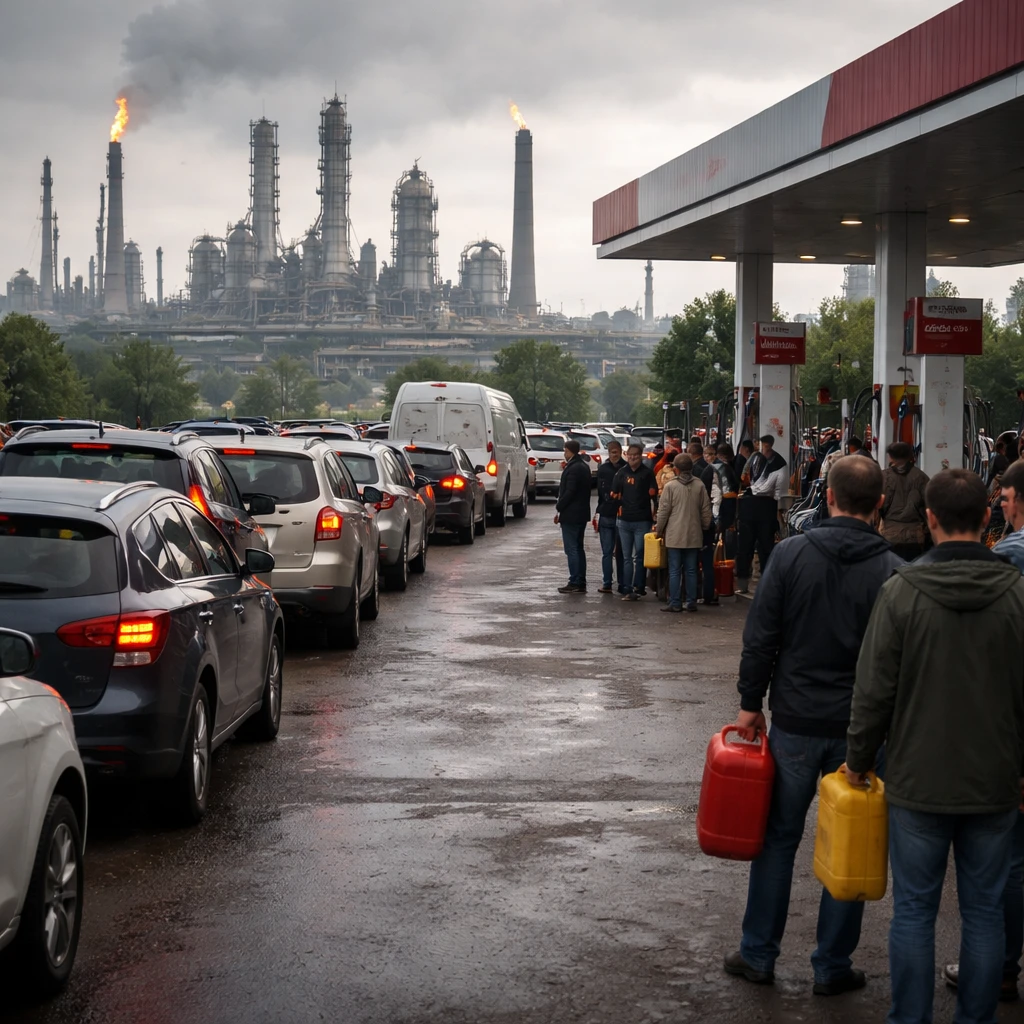
Local authorities and regional media report that by the end of June roughly 90% of Russian regions were experiencing fuel rationing or other supply disruptions. The shortages have produced long lines at pumping stations across the country as motorists seek available fuel.
President Vladimir Putin acknowledged the strain on fuel supplies in comments on Sunday, saying the situation was "not critical." He also said Russia had rejected proposals for both Moscow and Kyiv to cease long-range strikes into each other s territories and to confine fighting to the four occupied Ukrainian regions.
The Federal Statistics Service figures provide a snapshot of retail price shifts linked to refinery disruptions in the June 23-29 reporting week. The slowdown in crude processing at affected refineries is cited as the immediate operational cause of lower domestic fuel output and the attendant pressure on pump prices.
Indicators in the data emphasize near-term supply-side constraints rather than broader demand changes. Continued strikes, further refinery suspensions, or extended regional rationing would be consistent with additional upward pressure on retail fuel prices, while any restoration of processing capacity would be necessary to replenish domestic inventories.
Summary
Official weekly data show gasoline and diesel prices increased in Russia during June 23-29 as repeated attacks on oil-processing facilities have forced some refineries to stop operations, lowered crude-processing rates and caused widespread supply disruptions and rationing.