
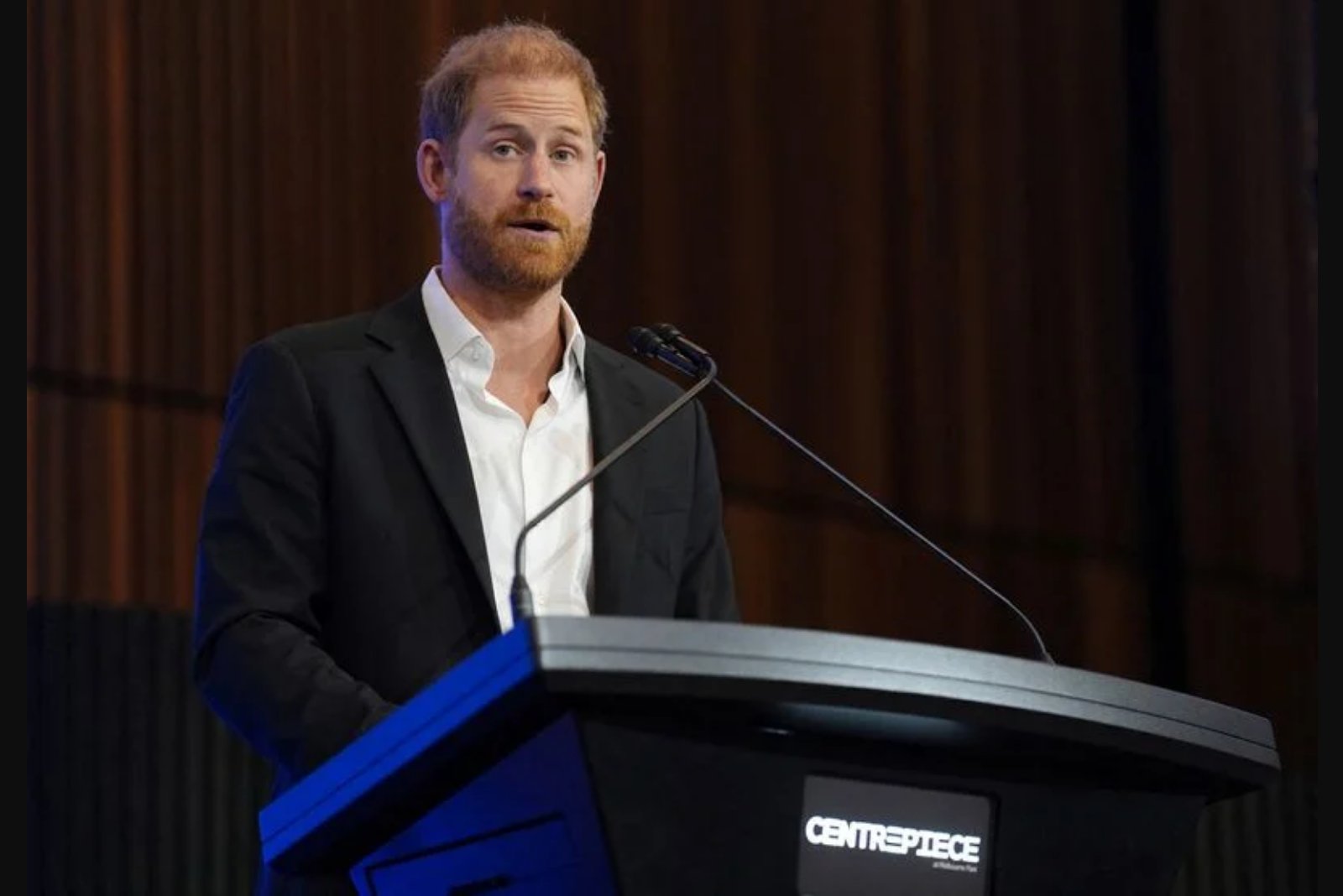
Eight years after initiating an overt legal campaign targeting sections of the British tabloid press, the prince who sought to expose and punish what he described as malign journalistic practices has lost a pivotal battle. A High Court ruling dismissed every one of the 97 claims brought against Associated Newspapers - the company behind the Daily Mail - by Prince Harry, Elton John and five other prominent claimants.
The outcome represents a clear defeat by the standards the claimant himself set out: a desire not only for personal redress but for public accountability of those in senior media positions whom he blamed for what he said was corrosive and harmful conduct. For Harry, whose litigation centred on perceived misogyny and racism directed at his wife, and on intrusions that he linked back to the circumstances of his mother’s death, the judgment removes a major legal pathway toward that goal.
Motivation and testimony
Harry has long expressed deep distrust and hostility toward segments of the tabloid press. He has repeatedly said he believes the relentless attention of photographers and intrusive reporting contributed to the fatal crash in Paris that killed Princess Diana when he was 12. Over the years he has also implicated the press in the breakdown of personal relationships and friendships, and has described the sustained attacks on his American wife as intolerable.
At the Associated Newspapers hearing, he gave emotionally charged evidence, recounting how the campaign of articles had made his wife’s life "an absolute misery" - a charge he delivered while struggling to hold back tears in court. In written witness statements across his various suits, he framed his actions in part as a public duty informed by his identity not only as a member of the royal family but also as a former soldier with a decade in the British Army.
He told the court that while his claims contained a personal element driven by "truth, justice and accountability," they also had "a social element concerning all the thousands of people whose lives were invaded because of greed." He warned that if a powerful news group could evade justice, the wider public would be left unprotected.
Targeted senior figures and the court’s findings
Throughout his campaign, Harry named senior media executives and editors as central figures in the industry culture he sought to challenge. Those he singled out included Paul Dacre, long associated with the Mail; Piers Morgan, a former Mirror editor who has remained a vocal media presence; and Rebekah Brooks, a former Sun editor who later became a senior executive in Rupert Murdoch’s companies. He has used blunt language in describing some of them in public and in his memoir.
But the judicial outcomes have not produced the public rebukes of those individuals that Harry had hoped for. The High Court judgement did not single out those editors for the kind of condemnation sought by the claimants. Police investigations that Harry urged have not materialised as new criminal inquiries, and despite securing an admission from News Group Newspapers that the Sun engaged in unlawful activity, no journalists were criminally implicated and executives such as Brooks remain in senior positions.
The High Court did find that editors at the Mirror were aware of phone hacking at that newspaper, but the ruling did not single out Morgan, who has consistently denied involvement in unlawful practices and continues to run a high-profile media channel with some 4.4 million subscribers on his YouTube platform.
In the Associated Newspapers ruling, the judge described Paul Dacre, editor-in-chief at Associated and a former long-time editor of the Mail, as "a straightforward and generally careful witness" who presented himself as composed and focused while giving evidence. Dacre hailed the verdict as an "overwhelming vindication" of the Mail’s journalism and issued a strongly critical statement about Harry, calling out aspects of the prince’s memoir and accusing him of hypocrisy in complaining about intrusion after publicising private matters.
Media dynamics since the litigation began
Contrary to Harry’s aims to rein in press behaviour, media coverage of the royal family has not diminished since the litigation began in 2018; if anything, public and commercial interest in royal stories has intensified. Dedicated podcasts, blogs and extensive tabloid web coverage now contribute to a daily stream of royal-related material. Even traditionally more formal newspapers now allocate specific sections to the family, and the volume of reporting on royal affairs shows no signs of abating.
Coverage relating to Harry and Meghan has tended to be predominantly negative in recent years, according to observers cited in court filings, and supporters of the couple have pointed to differential treatment when similar stories are written about other members of the royal family. The judgment record included one such comparison: coverage praising Kate, the wife of the heir to the throne, for eating avocados to address morning sickness was contrasted with a 2019 Daily Mail description of Meghan’s avocado preference as "fueling human rights abuses, drought and murder." The juxtaposition was used to illustrate the claimants’ argument that reporting of Meghan was framed in a distinctive and hostile way.
Costs, consequences and family fallout
The legal campaign has been expensive and consequential. The Associated group stated that total legal fees in the Mail case reached ;50 million. Beyond the financial toll, the litigation and the disputes that preceded and followed it have strained the prince’s relations with his own family.
After stepping back from royal duties in 2020 and relocating to California, Harry publicly accused certain family members of having "got in the bed with the devil" by cultivating cosy relationships with parts of the press in exchange for more favourable coverage. Those criticisms intensified private divisions and contributed to a widely publicised falling-out with his elder brother, Prince William, and a rift with their father - who, Harry recalled, warned him that taking on the press "was probably a suicide mission."
What the ruling means for accountability efforts
The judgment against Associated Newspapers underscores the limits of civil litigation in producing the kind of systemic accountability that Prince Harry sought. While individual cases and admissions of wrongdoing in other proceedings have revealed unlawful conduct in some quarters of the industry, the High Court’s comprehensive dismissal in this instance leaves intact the legal and institutional posture of one of Britain’s most influential tabloid publishers.
For those who viewed the suit as a test case for broader reform, the decision is likely to be read as a setback. It leaves open the question of how public concerns about intrusive or biased media coverage might be addressed outside the courtroom, and whether different legal strategies or regulatory interventions would achieve results the court did not provide.
Whatever the next steps, the ruling is a definitive moment in a public conflict that has shaped perceptions of the press, the royal family and the limits of litigation as a tool for societal change.